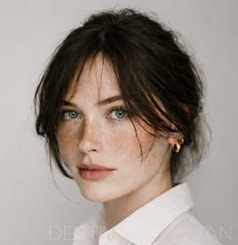
In portrait photography, small details often make the biggest difference. One of the most overlooked yet powerful elements of posing is shoulder position. Incorrect shoulder placement can shorten the neck, ruin posture, and make a model appear tense or uncomfortable — even if the lighting and composition are flawless.
Understanding shoulder position in photography allows photographers to control body language, improve posture, and create portraits that feel confident, open, and visually balanced. This guide explains how shoulder placement affects a portrait and how to avoid common posing mistakes.
Key Takeaways
- Shoulder position directly controls perceived neck length, posture, and overall confidence in portraits
- Raised shoulders toward ears visually shorten the neck and create tension — the most common posing mistake
- Lowered and relaxed shoulders elongate the neck and open the chest for elegant posture
- Rolling shoulders back and down instantly improves posture and straightens the spine
- In three-quarter poses, lower the front shoulder to create natural diagonal lines and movement
- Shoulder positioning is especially important for curvy models to maintain visible necklines
- Use simple verbal cues like "drop your shoulders" instead of technical jargon during shoots
Why Shoulder Position Matters in Portrait Photography
Shoulders play a crucial role in how the human body is perceived in a photograph. Raised, pushed-forward, or uneven shoulders instantly change how long the neck appears, how straight the back looks, and how relaxed the subject feels.
Most studio clients are not professional models. They often feel nervous, which causes unconscious protective movements — lifting shoulders, rounding the back, or shrinking the neck. A photographer's task is to recognize these signs and correct them before pressing the shutter.

Common Shoulder Position Mistakes in Photography
Raised Shoulders and a Shortened Neck
One of the most frequent posing mistakes is raised shoulders. When a model lifts their shoulders toward the cheekbones, the neck becomes visually shorter, and the entire pose looks tense and defensive.
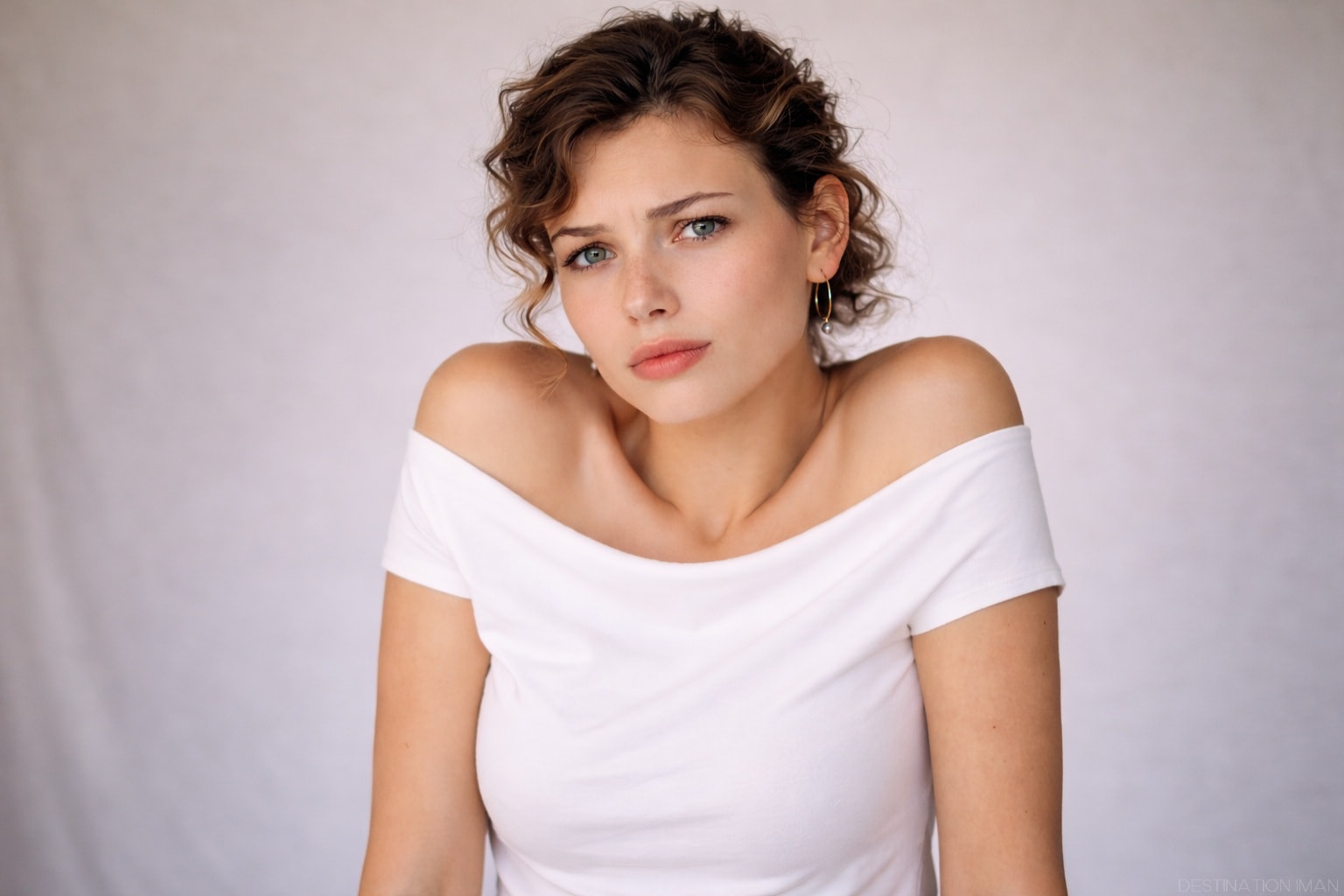
Let's briefly analyze the model's pose and shoulder position in the photo above:
- Shoulders are pushed forward, rounding the back
- Shoulders are raised, hiding part of the neck and visually shortening it
- Head position also partially conceals part of the neck, further shortening it
This movement is instinctive. People naturally protect their neck in uncomfortable situations. In portraits, however, it creates the opposite of a confident and relaxed look.
Shoulders Pushed Forward
When shoulders are pushed forward, the back rounds and posture collapses. This makes the model appear hunched or insecure and often exaggerates body imperfections.
Correcting this mistake instantly improves posture. Simply asking the model to roll their shoulders slightly back and down can open the chest and straighten the spine.
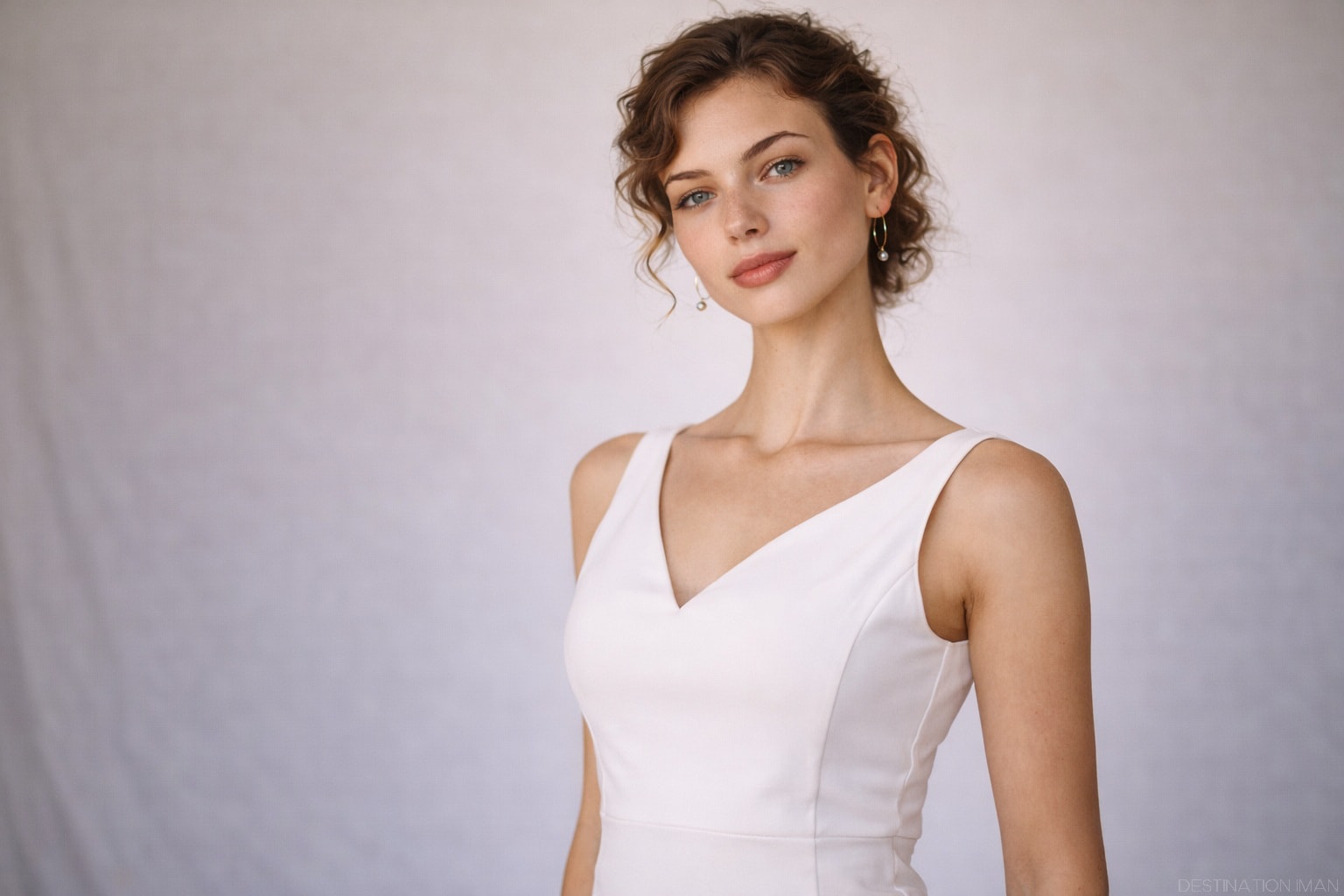
How Shoulder Position Affects Neck Length
The neck is a key visual element in portrait photography. Its perceived length is heavily influenced by shoulder placement.
- Raised shoulders visually shorten the neck
- Lowered shoulders create the illusion of length
- Forward shoulders hide the neck line
- Back-positioned shoulders reveal and define it
Even models with naturally long necks can lose this advantage with poor posing. Conversely, correct shoulder positioning can improve portraits of subjects with shorter or fuller necks.
Foreground vs Background Shoulder Position
In three-quarter and angled poses, the position of the foreground shoulder is especially important. Lowering the shoulder closest to the camera while keeping the far shoulder slightly raised creates a natural diagonal line.
This technique:
- Lengthens the neck
- Opens the pose
- Adds elegance and movement
- Makes the portrait feel relaxed and candid
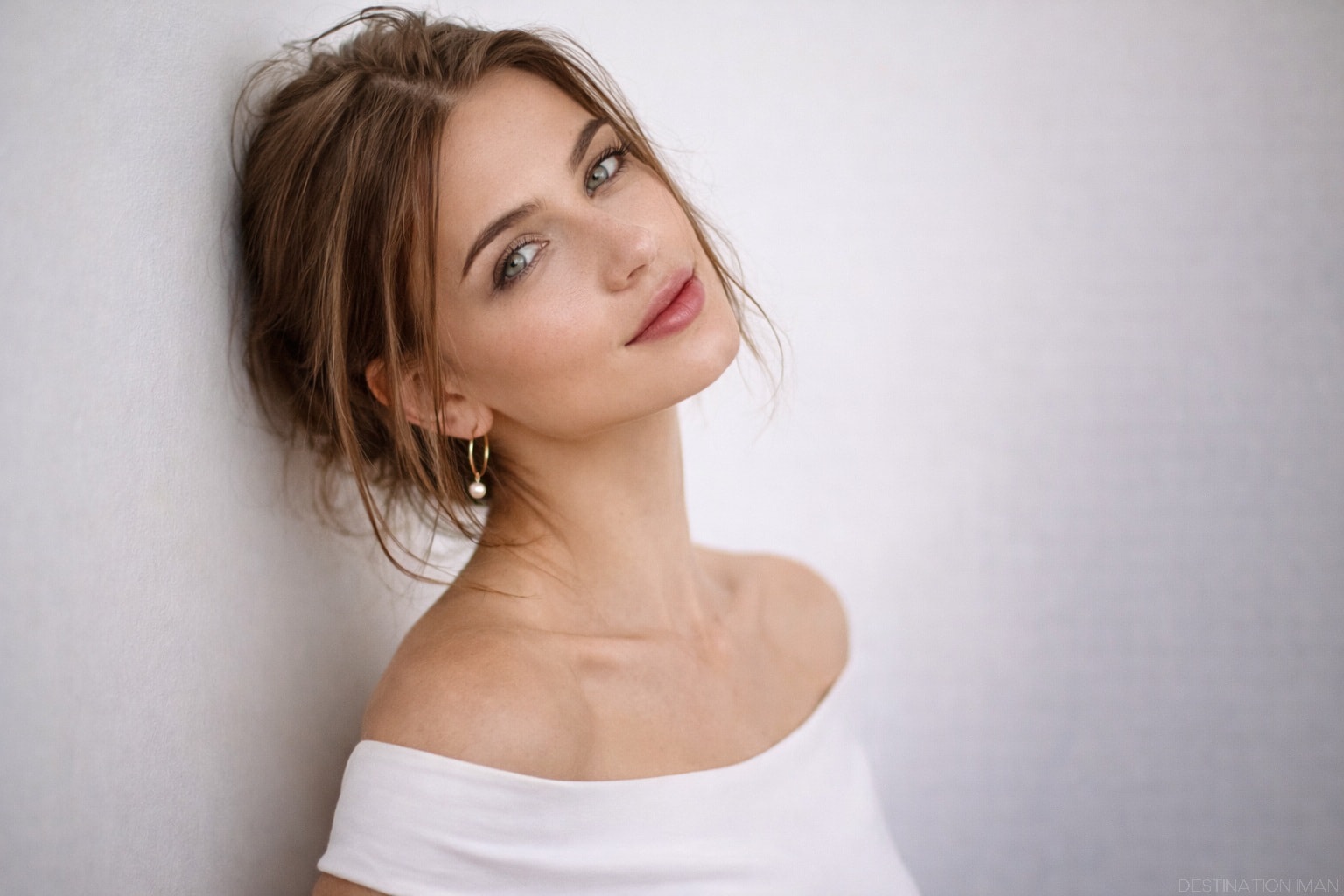
This approach works exceptionally well for lifestyle portraits, beauty photography, and editorial shoots where openness and ease are desired.

When Raised Shoulders Can Work
Although lowered shoulders are generally more flattering, raised shoulders are not always wrong. In psychological or conceptual portraits, tension can be intentional.
If the model:
- Has a naturally long neck
- Expresses strong, controlled emotion
- Is confidently positioned within the frame
Then raised shoulders can add intensity and drama without making the subject appear uncomfortable. The key is awareness and intention.
Shoulder Position Tips for Curvy and Full-Figured Models
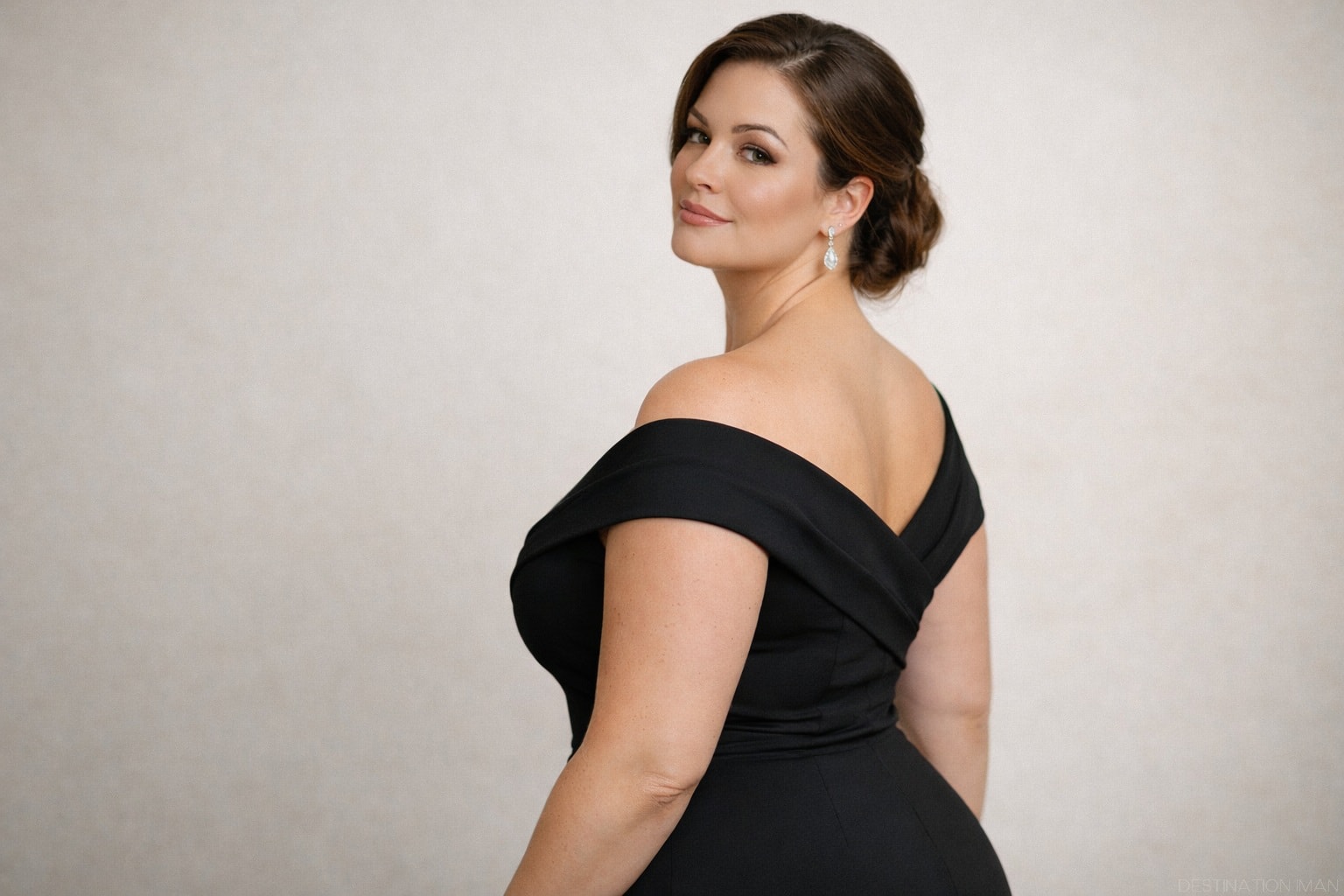
Shoulder placement becomes even more important when photographing curvy or full-figured subjects. Excess weight can visually shorten the neck, and raised shoulders exaggerate this effect.
Lowering the foreground shoulder immediately improves the image by:
- Making the neck more visible
- Softening the pose
- Reducing visual heaviness
- Creating a more relaxed posture
Even a small adjustment can dramatically change how confident and comfortable the subject appears in the final image.
Psychology Behind Shoulder Position
Body language is inseparable from posing. Raised shoulders often indicate stress, insecurity, or discomfort. That is why building rapport with the model is essential.
Simple techniques such as casual conversation, humor, and clear direction help the model relax naturally. Once emotional tension decreases, shoulder position improves automatically.
How to Correct Shoulder Position During a Shoot
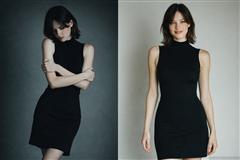
Instead of technical commands, use simple and visual instructions:
- "Drop your shoulders and relax"
- "Roll your shoulders back slightly"
- "Imagine your neck getting longer"
- "Lean your weight into one hip"
Observe continuously. Shoulder position changes quickly, especially when models shift emotions or expressions.
Final Thoughts on Shoulder Position in Photography
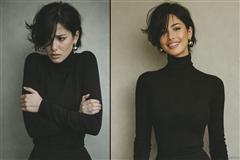
Shoulder position is a fundamental yet underestimated aspect of portrait posing. Raised shoulders shorten the neck and add tension, while lowered and relaxed shoulders create openness, confidence, and elegance.
By studying shoulder position in photography and observing how subtle adjustments affect posture and mood, photographers can dramatically improve their portraits. Practice observation, analyze successful images, and apply these principles consistently.
Mastering shoulder positioning will not only elevate your technical skills but also help you guide subjects with confidence — one of the most valuable abilities in portrait photography.