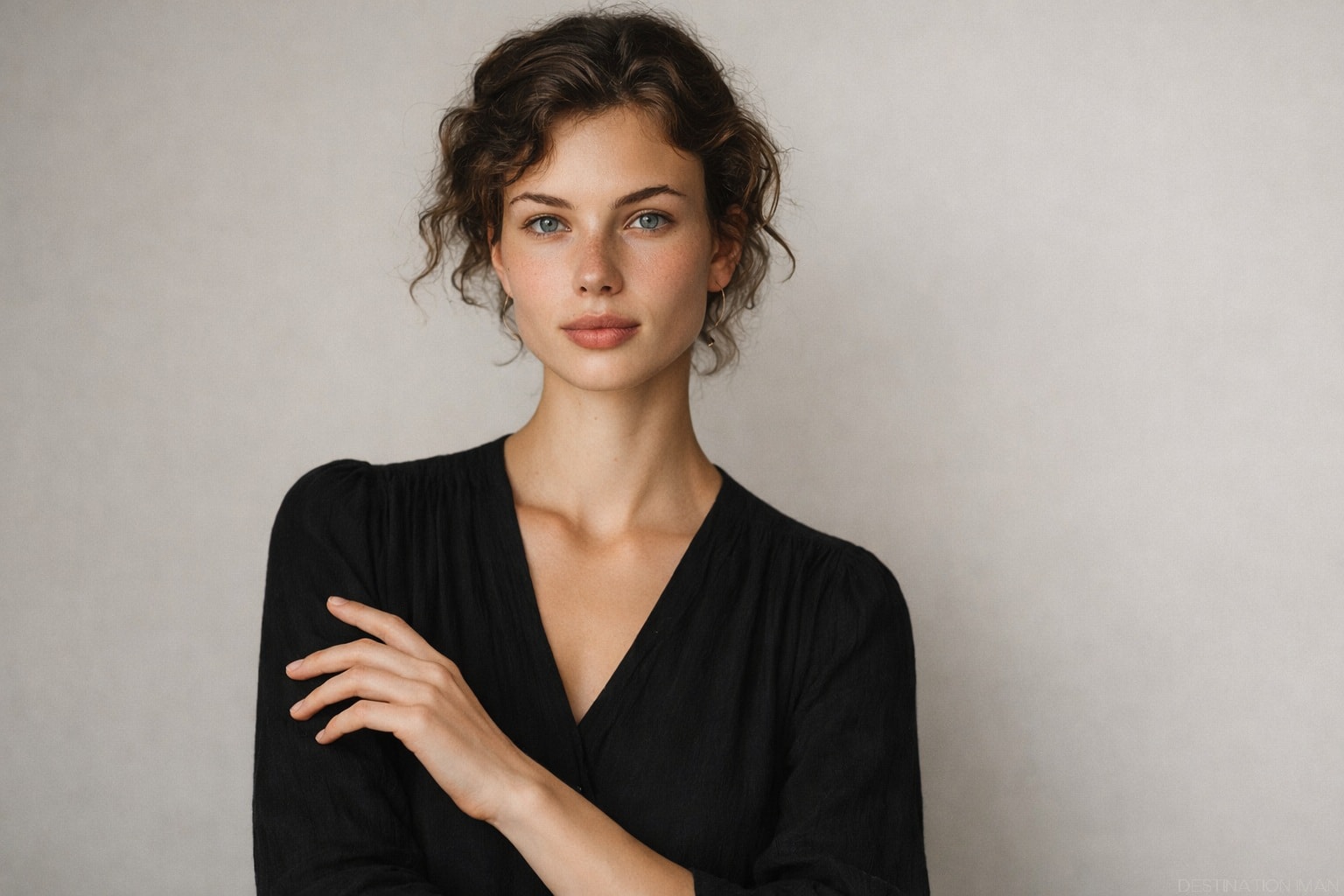
Hands are one of the most difficult elements to control in portrait photography. Even when posture, shoulders, and facial expression look perfect, incorrect hand positioning in photography can instantly ruin the shot. Stiff fingers, awkward placement, or tension in the hands often draw unwanted attention and break the harmony of the image.
In this guide, you will learn why hands matter so much in posing, what common mistakes to avoid, and how to position hands naturally for elegant and confident portraits.
Key Takeaways
- Hands reveal tension faster than any other body part and directly impact portrait quality
- Avoid letting hands hang lifelessly — give them purpose through gentle interaction
- Never press hands tightly against the body; create small gaps for natural proportions
- Keep fingers relaxed and gently curved, as if holding a delicate object
- Turn hands slightly sideways to avoid flat, oversized appearance when palms face camera
- Use props and objects to give hands natural purpose and reduce awkwardness
- Hand tension comes from nervousness — clear communication helps models relax
Why Hand Position Matters in Portrait Photography
Hands are extremely expressive. They communicate emotions, confidence, and body language just as strongly as facial expressions. Unfortunately, they also reveal tension faster than any other body part.
Uncontrolled hands can look heavy, stiff, or unnatural. That is why professional photographers always pay close attention to hand placement and finger position during a shoot.

Common Hand Positioning Mistakes in Photography
Hands Hanging Lifelessly
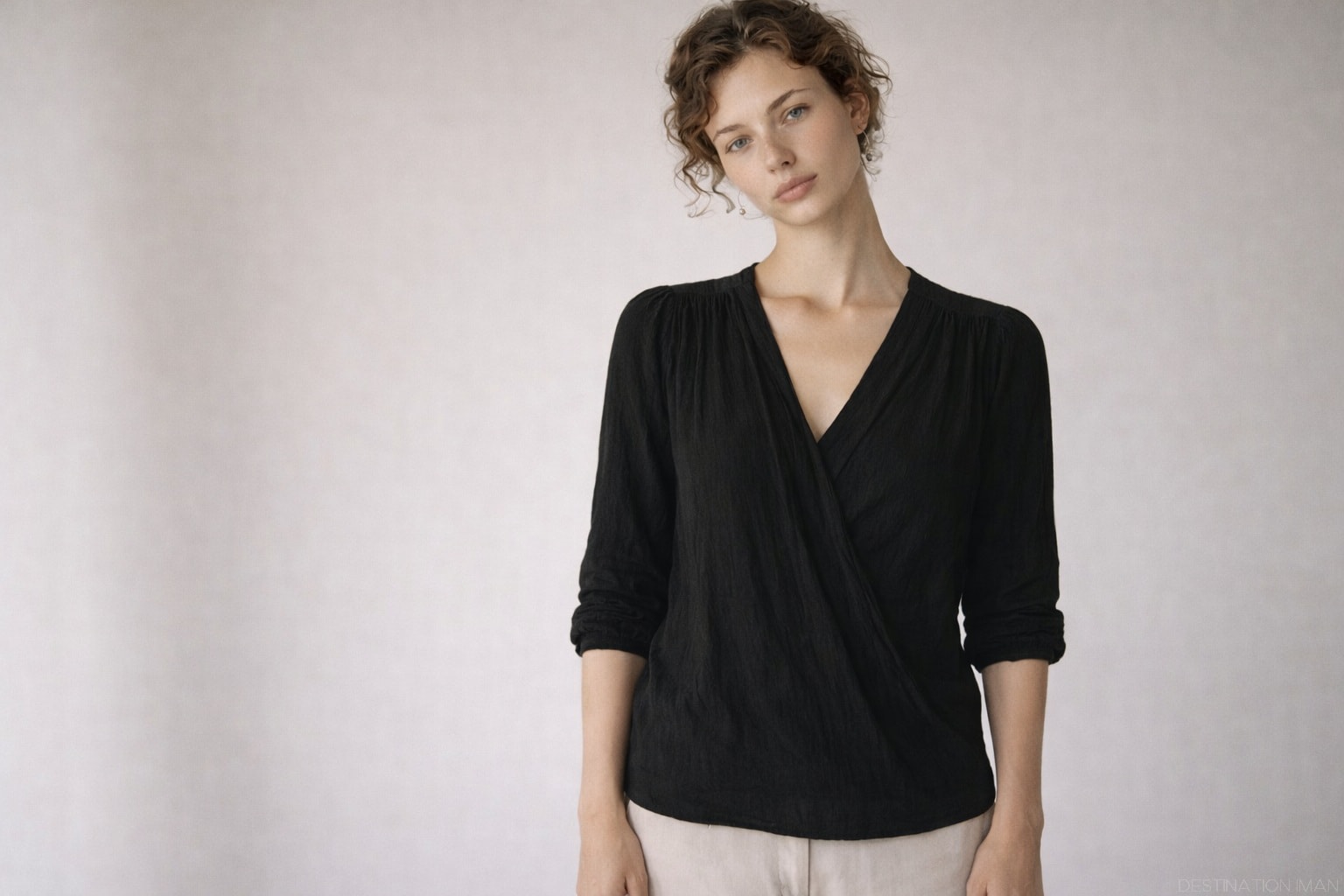
Letting hands hang straight down along the body makes them look lifeless and disconnected from the pose. This often results in stiff and awkward-looking portraits.
Instead, hands should always have a purpose — touching clothing, hair, the face, or interacting gently with the environment.
Hands Pressed Tightly Against the Body
Pressing arms and hands tightly against the torso makes them appear thicker and heavier. This is one of the most common posing mistakes, especially among non-professional models.
Creating a small gap between the arms and the body helps maintain natural proportions and adds elegance to the pose.

Clenched Fists or Tense Fingers
Clenched fists signal stress and discomfort. Even slightly curled fingers can look unnatural if the hand is tense.
A good rule is to keep fingers relaxed and gently curved, as if holding a delicate object. Soft hands always photograph better than rigid ones.
Flat Hands Facing the Camera
When the palm faces the camera directly, the hand appears larger and flatter than it really is. This draws unnecessary attention and disrupts visual balance.
Turning the hand slightly sideways creates depth and makes it look more graceful.
How to Position Hands Naturally
Natural hand positioning comes from relaxation and movement rather than fixed poses.
- Ask the model to gently shake out their hands before posing
- Encourage soft movement instead of frozen positions
- Let fingers lightly touch objects, fabric, or skin
- Keep wrists relaxed and flexible
Hands should follow the overall mood of the shoot. A calm portrait requires soft gestures, while expressive images may allow stronger hand movement.
Hand Placement Ideas for Portrait Photography
Hands Near the Face
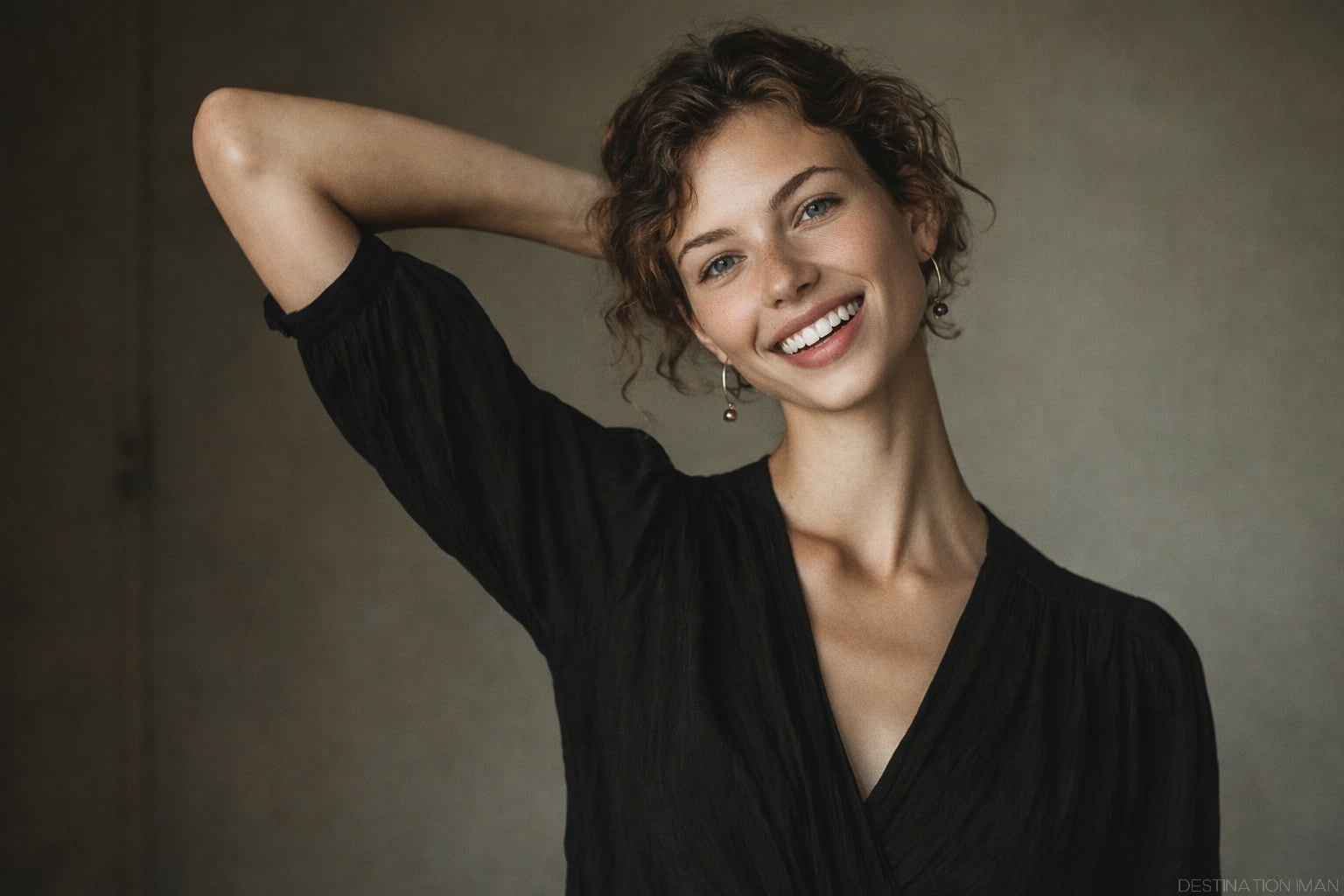
Hands near the face can look elegant and expressive when done correctly. Avoid pressing fingers into the skin, as this creates tension and distortion.
Lightly touching the jawline, cheek, or chin works best when fingers are relaxed and slightly separated.
Hands in Pockets
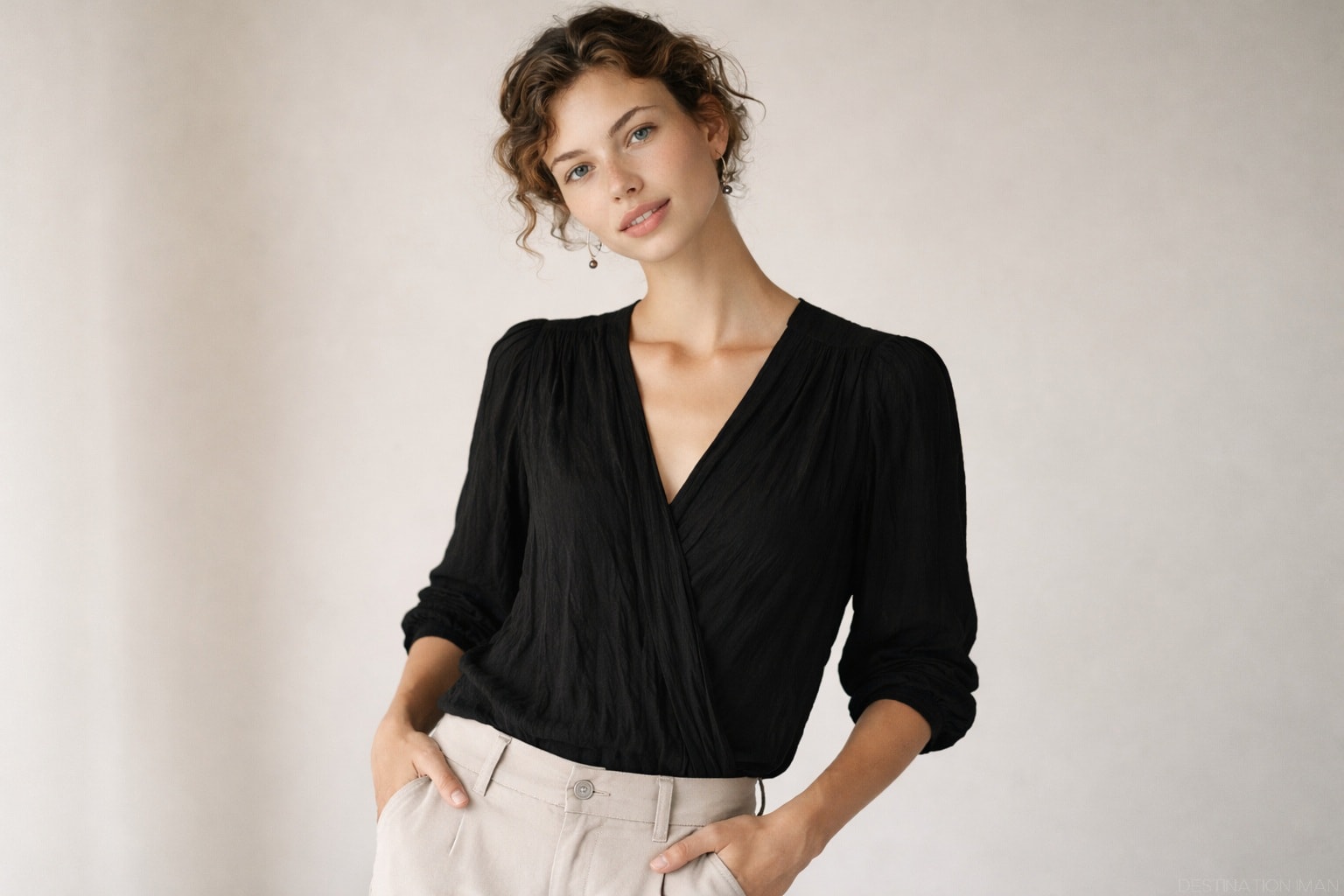
Placing hands fully inside pockets often looks awkward. A better option is to insert only the thumbs or part of the hand, keeping the wrist visible.
This technique creates a casual, confident look, especially in lifestyle portraits.
Hands Holding Objects
Props help give hands a purpose. Glasses, clothing edges, accessories, or everyday objects reduce awkwardness and help the model relax naturally.

Hand Positioning and Perspective
Just like shoulders and hips, hands are affected by perspective. Hands closer to the camera will appear larger.
Avoid pushing hands forward unless intentional. Keeping them slightly behind the body plane maintains proportion and balance in the frame.
Psychology Behind Hand Tension
Hand tension often comes from nervousness. Non-professional models may not know what to do with their hands and subconsciously tense up.
Clear instructions, encouragement, and calm communication help reduce stress. When the model feels comfortable, hands automatically become more relaxed.

How Photographers Can Guide Hand Positioning
Instead of saying "fix your hands," use descriptive cues:
- "Imagine you're holding something fragile"
- "Let your fingers relax and breathe"
- "Touch the fabric lightly, don't grab it"
- "Shake your hands out and try again"
Continuous observation is key. Hand position changes quickly with emotions and movement.

Final Thoughts on Hand Positioning in Photography
Mastering hand positioning in photography dramatically improves portrait quality. Relaxed hands add elegance, emotion, and natural flow, while tense hands immediately signal discomfort.
By practicing awareness, encouraging gentle movement, and giving hands a purpose, photographers and models can avoid one of the most common posing mistakes and create more compelling images.