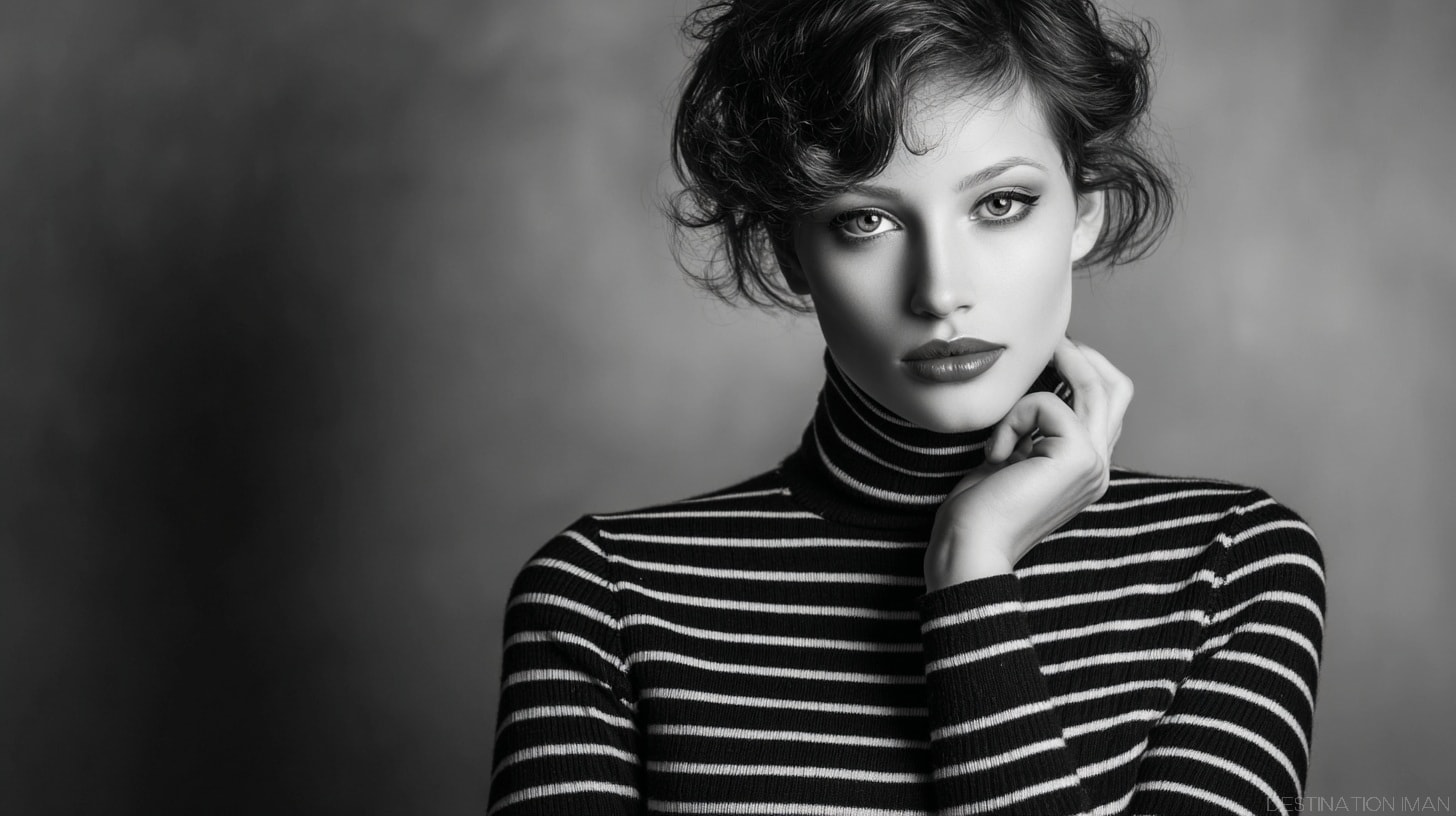
Even with perfect lighting, an expensive camera, and a skilled photographer, a photo can fail because of one simple reason — poor posing. Posing mistakes in photography are extremely common, especially when the subject is not a professional model. The good news is that most of these mistakes are easy to fix once you understand what causes them.
Key Takeaways
- Most posing mistakes come from tension and lack of awareness, not physical limitations
- Avoid facing the camera straight on — turn body 30-45 degrees for depth
- Drop your shoulders and elongate your neck before every shot
- Create space between arms and body to define your silhouette
- Keep hands soft and relaxed — avoid showing full palms to camera
- Authentic emotion matters more than technical perfection
- Practice posing in front of a mirror to understand your angles
In this guide, we will look at the most common posing mistakes that ruin photos, explain why they happen, and show how to avoid them. These tips are useful for both models and photographers working with everyday clients.
Why Posing Matters More Than You Think
Posing is not about freezing into one perfect position. Good posing is dynamic, natural, and comfortable. A stiff or unnatural pose immediately shows tension, insecurity, and discomfort — all of which translate directly into the final image.
Photography involves many processes at once: working with light, composition, framing, and emotions. When posing is ignored, even a technically perfect photo can feel lifeless.
Common Posing Mistakes in Photography
Facing the Camera Straight On
One of the most common posing mistakes is standing directly in front of the camera with shoulders squared. This creates a flat, static image and often makes the body appear wider.
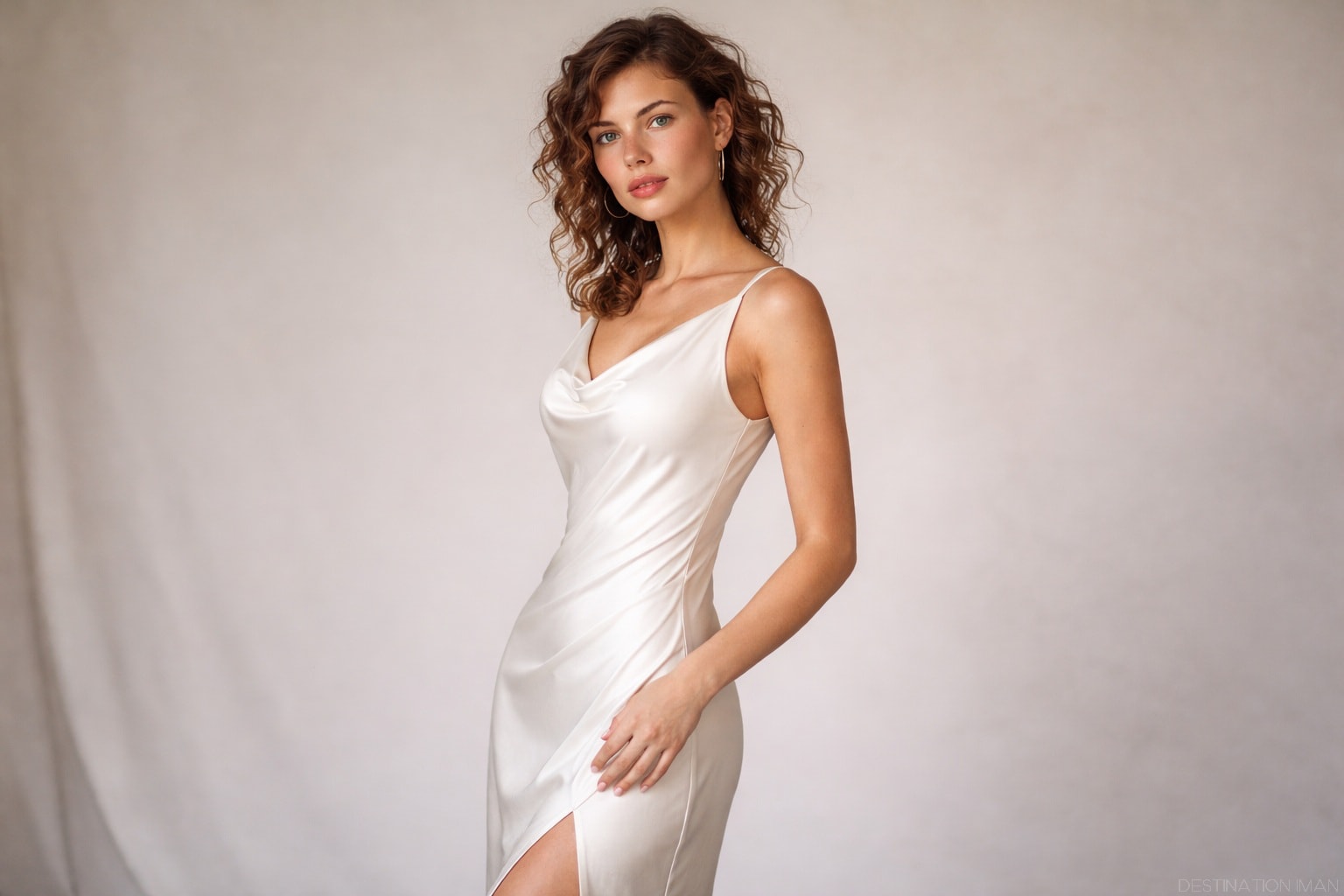
The fix: Turn the body slightly to the side — typically 30-45 degrees. This adds depth, creates natural lines, and makes the pose more dynamic. Direct front-facing poses should be used only when intentionally required, such as for official portraits or passport photos.
Tense Neck and Raised Shoulders
Tension in the neck and shoulders is a classic beginner mistake. Raised shoulders shorten the neck and make the subject look stressed or uncomfortable.

The fix: Before every shot, take a deep breath and consciously drop your shoulders down. Imagine a string pulling the top of your head upward while your shoulders relax downward. This instantly improves posture and creates a more open and confident appearance.

Arms Hanging or Pressed Against the Body
Letting arms hang straight down makes them look stiff and lifeless. Pressing arms tightly against the torso makes them appear thicker and heavier than they really are due to compression.
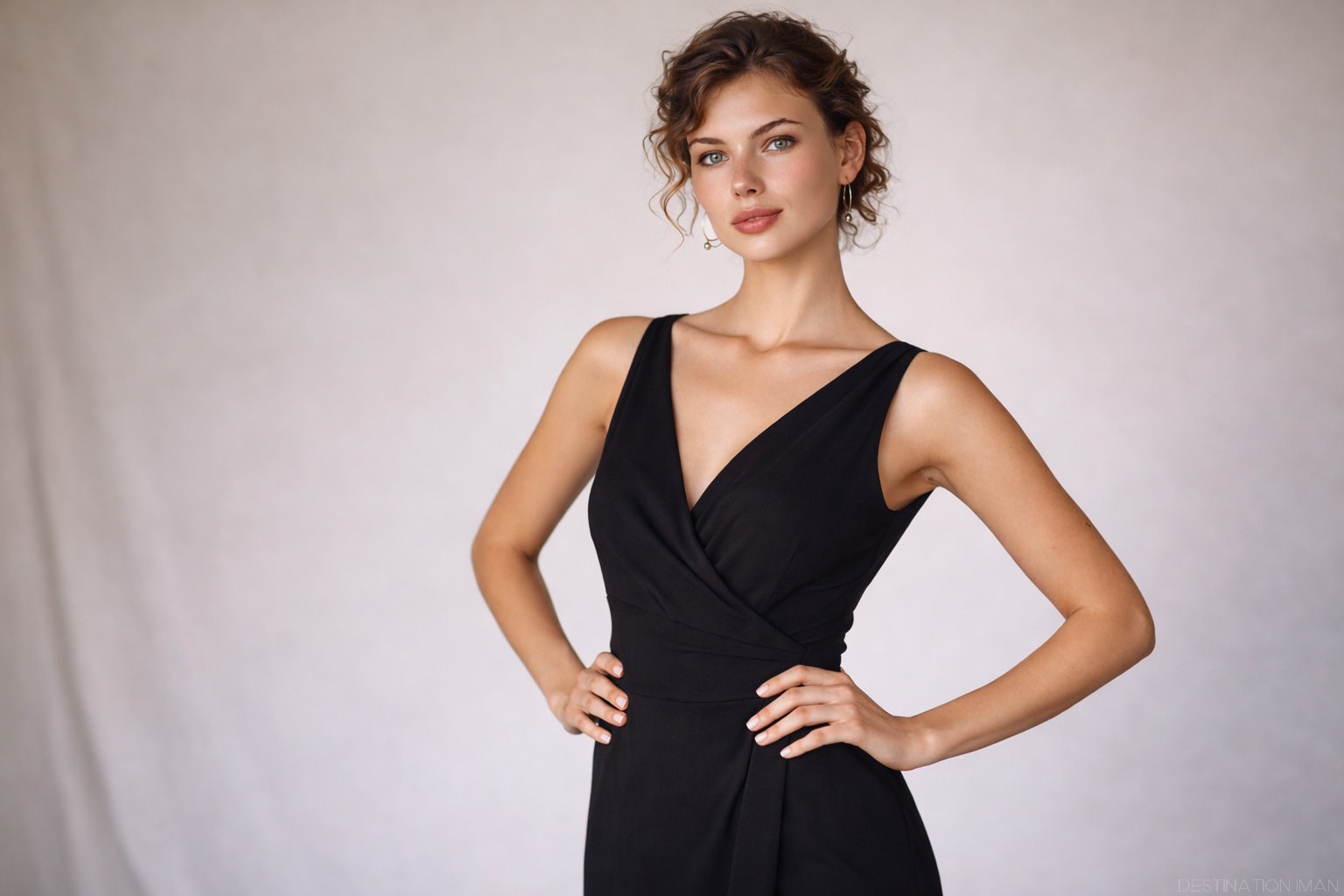
The fix: Create space between the arms and the body. Slight bends at the elbows and gentle hand placement help maintain natural proportions. Place one hand on your hip, touch your hair, or rest your hand gently on a nearby surface. Even a small gap creates separation and defines your silhouette.
What to Do With Your Hands
Hands are one of the most challenging aspects of posing. Stiff, clenched fists or awkwardly placed hands can ruin an otherwise perfect shot.
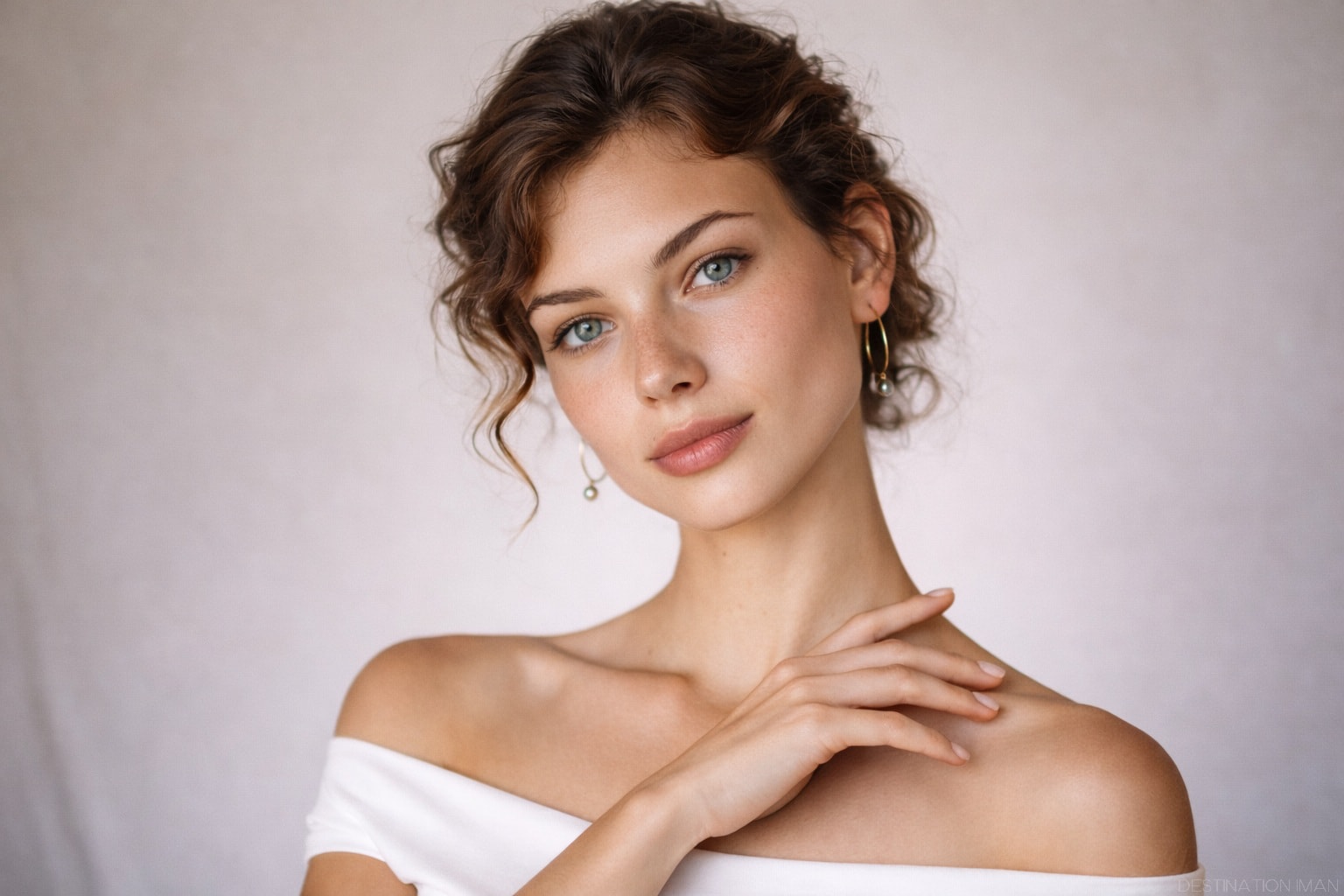
The fix: Keep hands soft and relaxed. Avoid showing the full palm directly to the camera, as it can look large and flat. Instead, show the edge of the hand or place fingers gently on surfaces. Think of hands as graceful extensions of your arms rather than separate objects.
Hand placement ideas: Touch your collarbone, run fingers through your hair, hold an accessory, rest on a railing, or place one hand in a pocket with the thumb out.

Repeating the Same Pose Throughout the Shoot
Repeating the same pose leads to dozens of nearly identical photos. Even small changes in weight distribution, head angle, or arm position can dramatically change the final result.
Good posing means constant micro-movement. The best photos often appear between poses rather than during static moments. Shift your weight, tilt your head slightly, change where you're looking — these small adjustments create variety and natural-looking images.
Ignoring the Rule of Perspective
In photography, anything closer to the camera appears larger. Forgetting this rule can ruin proportions — hips, shoulders, or arms may look oversized simply because of their position relative to the lens.
The fix: If shooting full body, place your weight on the back leg and angle the front leg slightly. This prevents the front leg from appearing disproportionately large. Keep hands away from the camera unless you want them to be a focal point.
Poor Posture and Rounded Back
Slouching is one of the most damaging posing mistakes. A rounded back makes the subject look insecure and less confident, and in women it can visually reduce the chest and distort body lines.
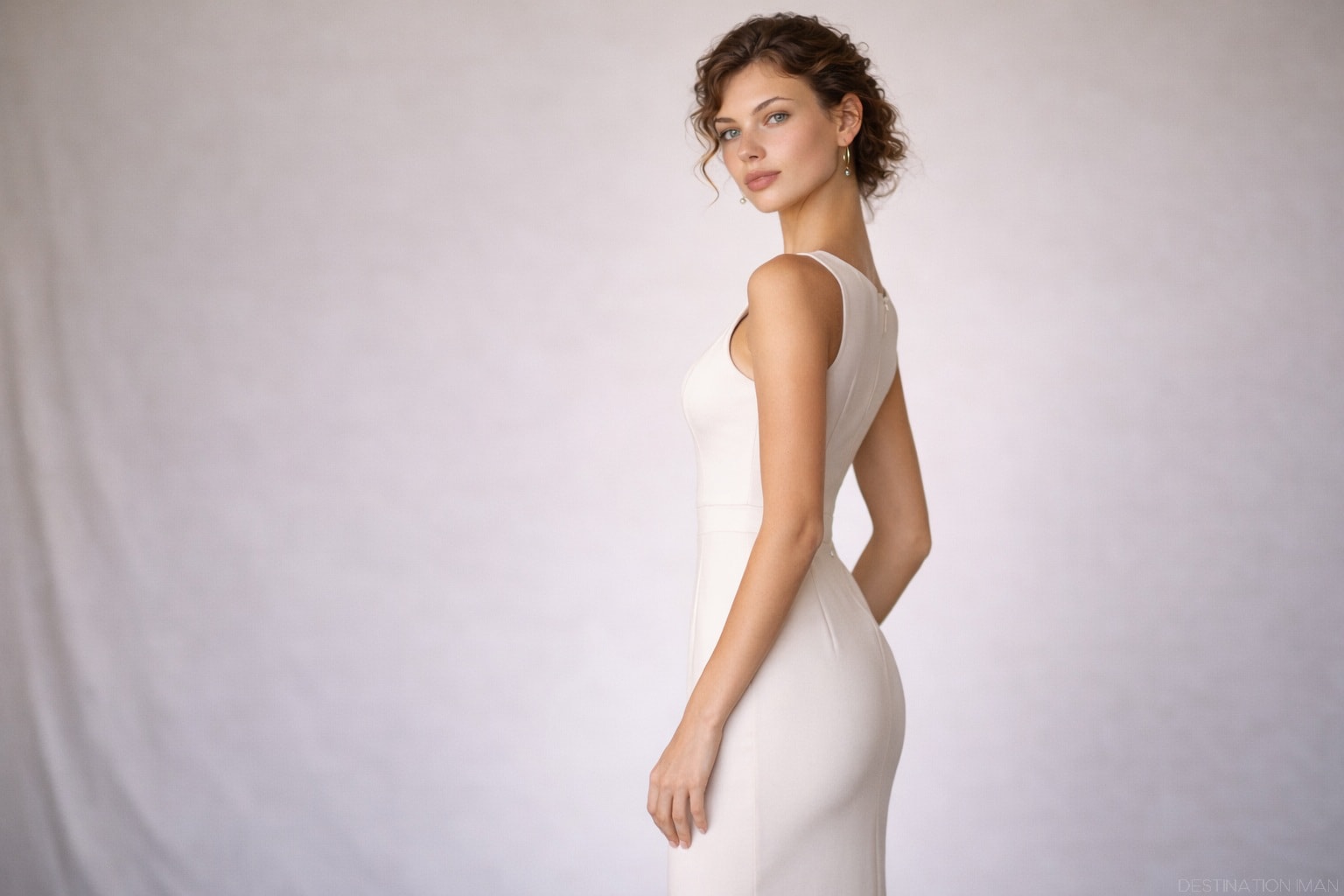
The fix: Imagine being pulled up by a string from the crown of your head. Roll your shoulders back and down, engage your core slightly, and lengthen your spine. Straight posture opens the chest, elongates the neck, and improves the overall silhouette instantly.
Emotionless or Forced Expressions
A technically correct pose without emotion feels empty. On the other hand, forced expressions look unnatural and uncomfortable — the dreaded "say cheese" smile that doesn't reach the eyes.
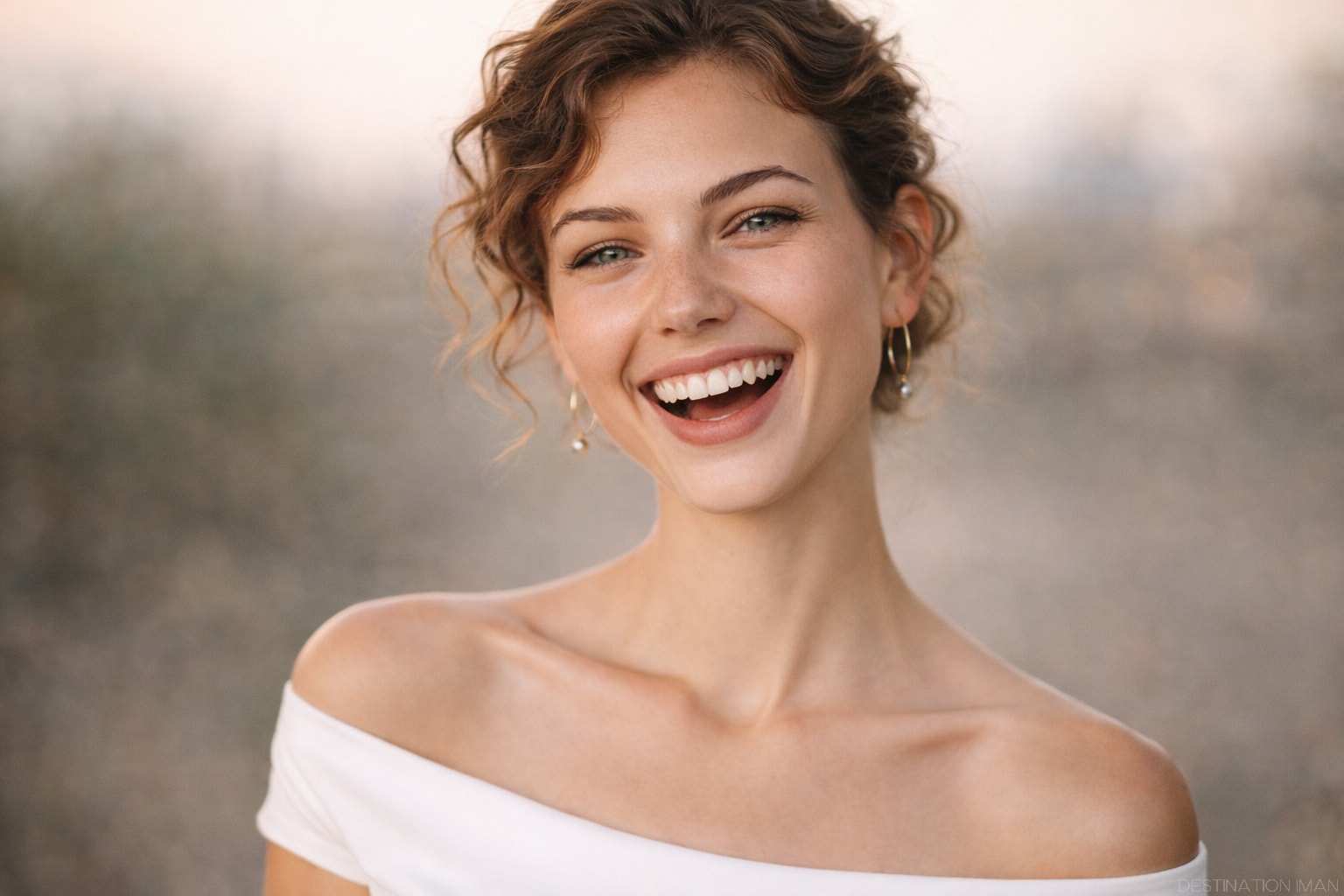
The fix: Authentic emotion is the key to a successful photograph. Think about something that makes you genuinely happy, recall a funny moment, or engage in conversation with the photographer. Facial expressions should match the mood of the shoot and feel natural to the subject.

Posing Tips by Photography Type
Portrait Photography
Focus on facial expressions and upper body. Slight head tilts and genuine smiles work best. Avoid harsh chin angles and keep the neck elongated.
Fashion Photography
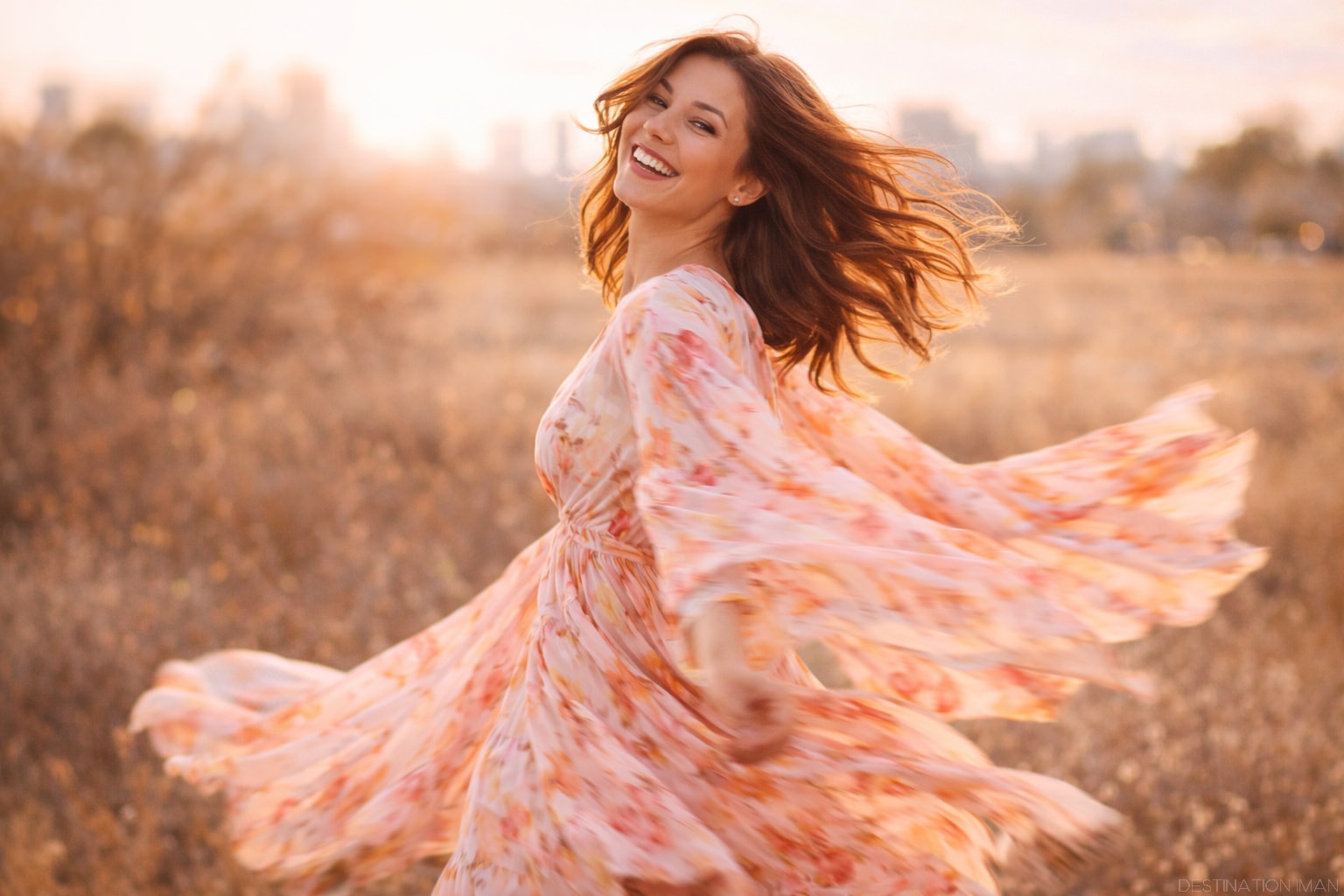
Emphasize body lines and clothing. Use dramatic angles, extended limbs, and confident expressions. Movement and flow are essential — walk, spin, let fabric move naturally.
Commercial and Lifestyle Shoots
Natural, relatable poses work best. Think about real-life activities: holding a coffee cup, laughing with friends, working on a laptop. Authenticity matters more than perfection.

Social Media and Instagram
Casual confidence is key. Look away from the camera, capture candid moments, use your environment naturally. Overly posed shots often perform poorly compared to authentic-looking images.


How to Improve Your Posing Skills
Avoiding posing mistakes requires awareness and practice. Here are simple ways to improve:
- Practice in front of a mirror to understand your angles and see what works for your face and body type
- Study professional models and portrait photography on Instagram, Pinterest, or fashion magazines
- Record yourself on video to see how you move between poses
- Keep moving gently instead of freezing in one pose — fluidity creates natural-looking shots
- Communicate with the photographer during the shoot — ask for feedback and direction
- Pay attention to posture, shoulders, and neck — these three elements control most of your silhouette
- Physical activity and stretching improve body control, flexibility, and confidence in front of the camera
Posing Is About Confidence and Comfort
One of the biggest mistakes models make is trying too hard to look perfect. Discomfort always shows in photos. A good pose should feel stable, relaxed, and natural — not painful or awkward.
Confidence comes from self-acceptance. Models of any body type can pose beautifully when they understand their strengths and feel comfortable in front of the camera. Your energy and attitude matter more than having a "perfect" body.
Quick Posing Checklist (Print This!)
Before every shot, mentally check these points:
- Shoulders relaxed and down
- Posture straight, core engaged
- Weight on back leg (for full body shots)
- Space between arms and body
- Hands soft and natural
- Chin slightly forward and down (to define jawline)
- Genuine expression that matches the mood
- Keep moving gently between shots
Final Thoughts on Posing Mistakes in Photography
Most posing mistakes in photography come from tension, lack of awareness, and fear of the camera. By understanding basic principles — posture, shoulder position, perspective, hand placement, and emotion — you can dramatically improve your photos.
Remember that posing is a learnable skill that improves with practice. Professional models spend years mastering their craft, studying their angles, and understanding how their body moves in front of a camera. Give yourself time to learn and experiment.
The more you practice and move, the more natural and confident your photos will become. Start with these fundamental corrections, observe successful portraits, and most importantly — relax and enjoy the process.