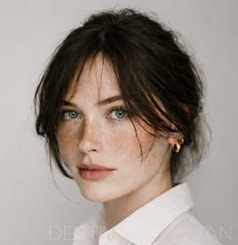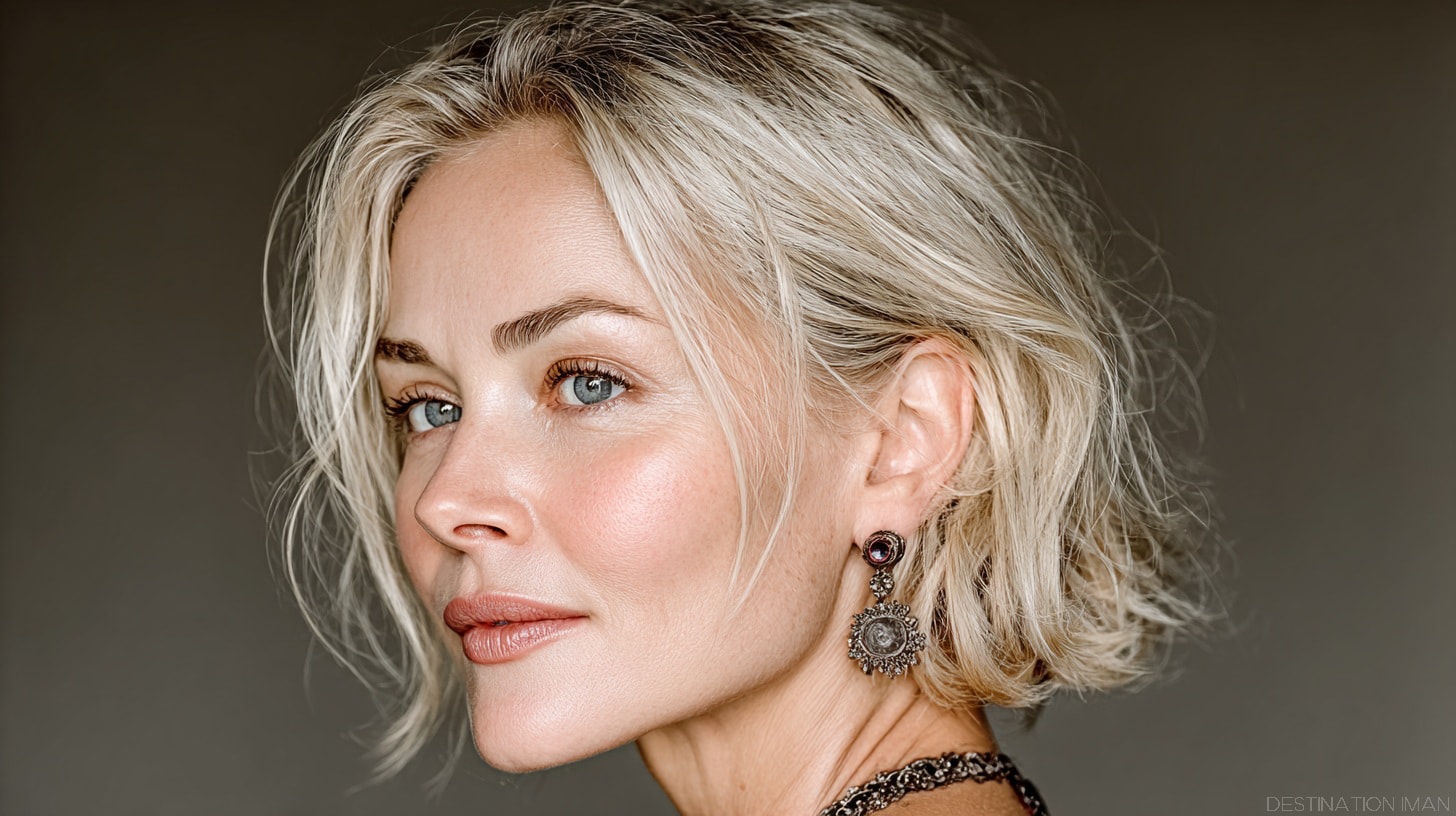
In an era increasingly shaped by cosmetic intervention and instant visual transformation, questions around what truly endures have become unavoidable. While modern procedures promise control over appearance, natural beauty continues to age with a coherence that resists artificial perfection.
This is not a moral argument, nor a rejection of choice. It is an observation — grounded in biology, psychology, and visual perception — of why faces allowed to evolve naturally often retain clarity, character, and appeal longer.
Biological Harmony: Aging as a Cohesive Process
Human faces are not static structures. They are living systems — skin, muscle, fat, and bone evolving together over time. When left largely unaltered, these elements age in relationship to one another, preserving proportional balance even as change becomes visible.
Natural features adapt gradually. Expressions soften. Contours shift subtly. Texture deepens. Yet the face remains internally consistent — readable, expressive, intact.
Interventions, by contrast, often isolate individual elements: volume without movement, smoothness without elasticity. As underlying structures continue to change with age, these isolated modifications can lose alignment with the face as a whole.
Micro-Expressions and the Language of the Face
Much of what we perceive as beauty is not symmetry alone, but movement.
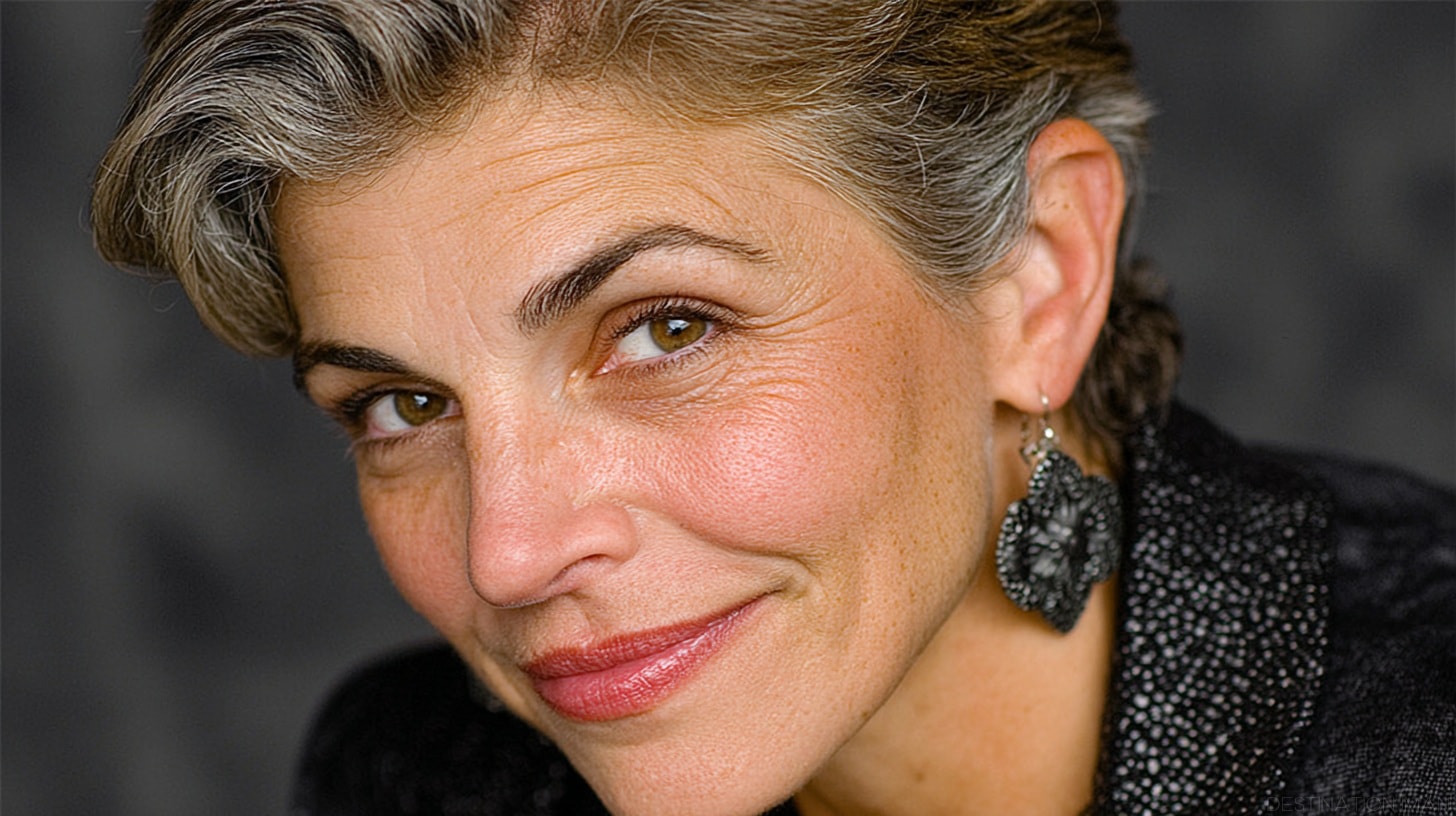
Micro-expressions — fleeting contractions around the eyes, mouth, and brow — carry emotional information. They signal warmth, openness, attentiveness. Faces that retain natural muscular behavior continue to communicate fluently as they age.
Excessive smoothing or structural rigidity can mute this language. The result is not necessarily unattractive — but often less emotionally legible.
Timeless faces tend to remain expressive, even when marked by time.
Psychology of Authenticity and Perceived Trust
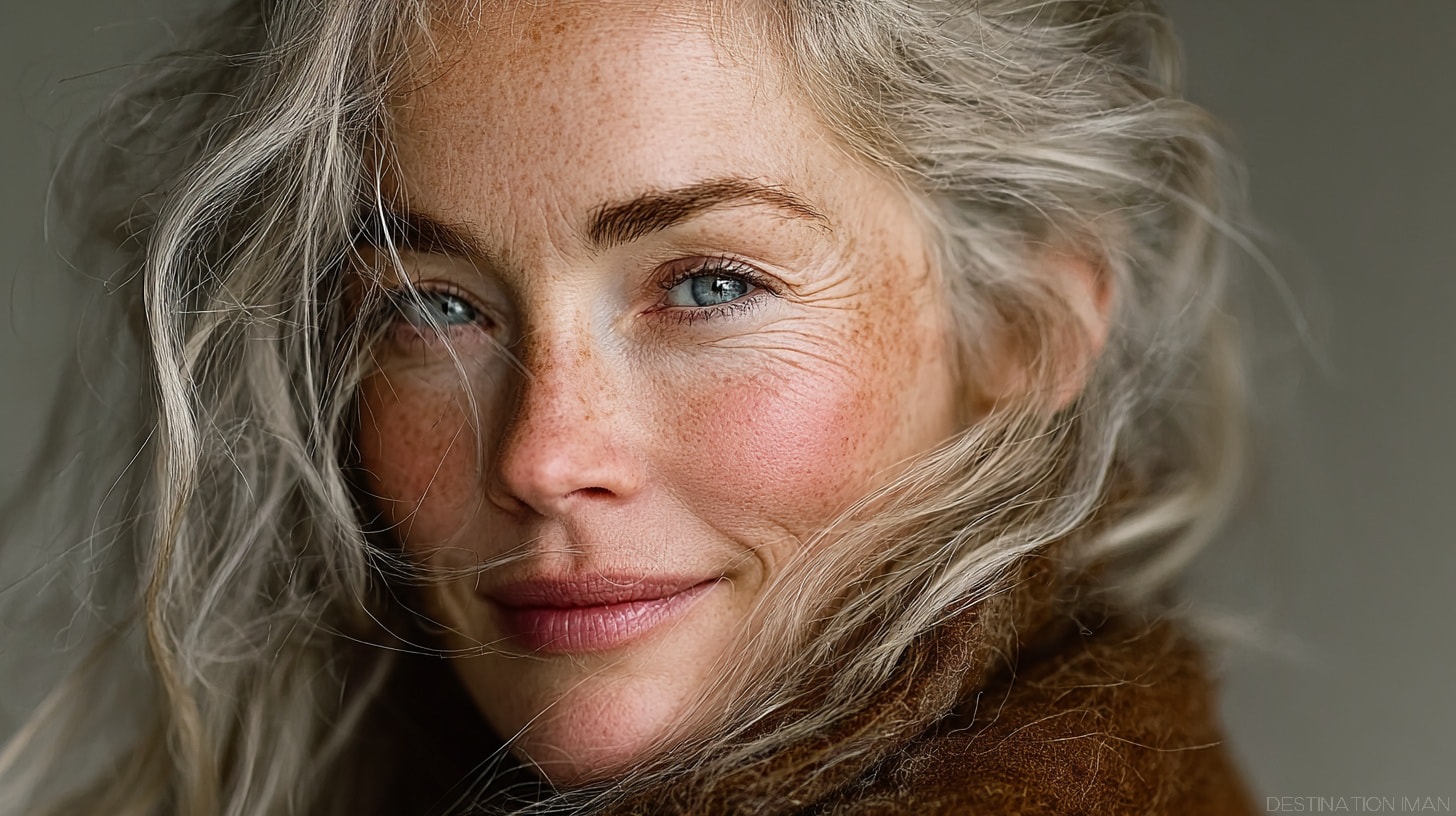
Humans are exceptionally sensitive to authenticity. Psychological research consistently shows that faces perceived as genuine are rated as more trustworthy, approachable, and emotionally engaging.
Natural aging introduces cues of lived experience — subtle asymmetries, fine lines, softened edges — that contribute to narrative depth.
Rather than diminishing attractiveness, these cues often enhance it by signaling coherence between appearance and identity.

Cultural Shifts Toward Individual Presence
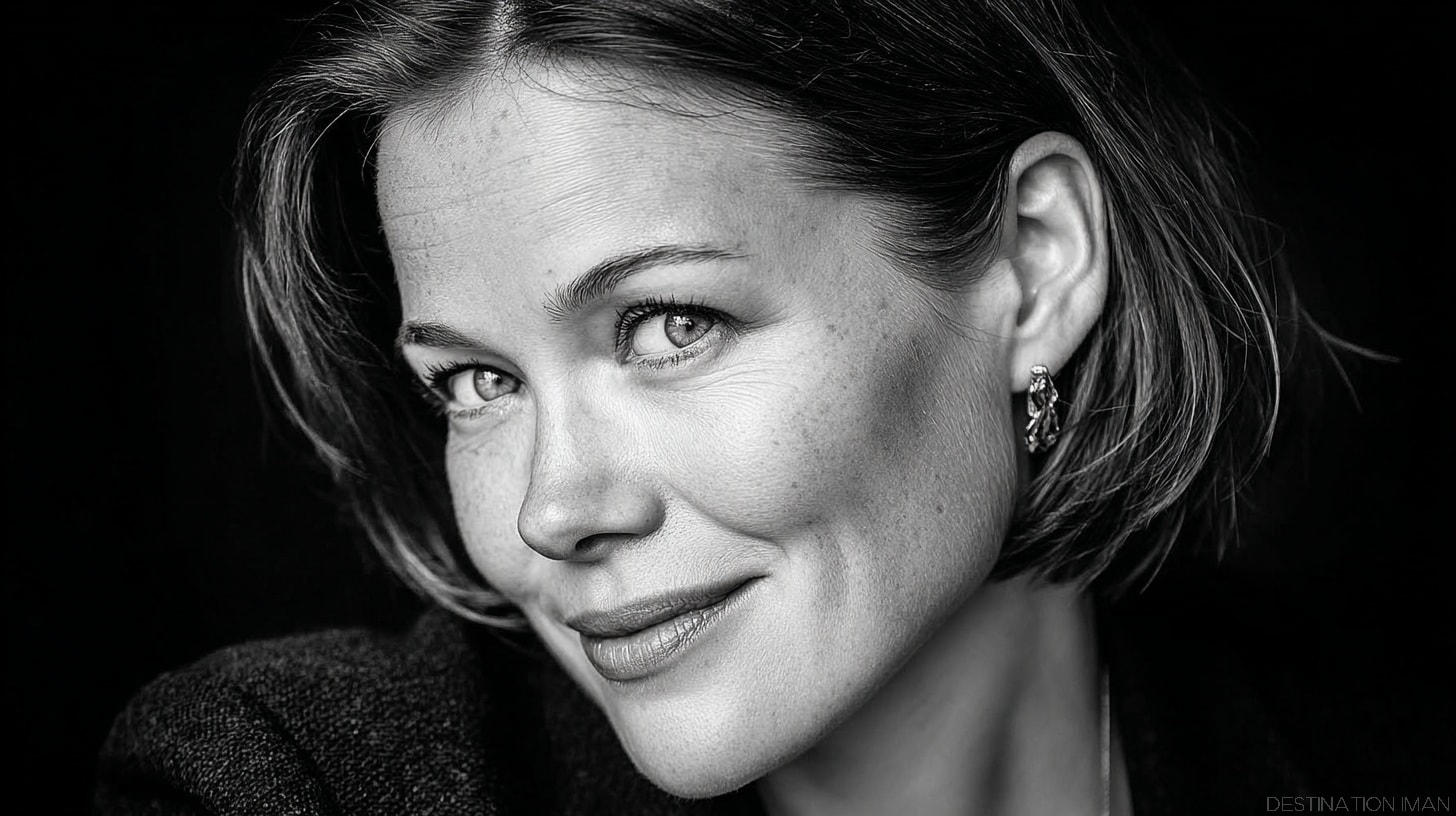
Contemporary visual culture is quietly recalibrating. Across fashion editorials, luxury branding, and portrait photography, there is a visible shift away from uniform perfection toward individual presence.
Faces are shown with history. Skin is rendered with texture. Age is contextualized, not concealed.
This evolution reflects fatigue with artificial sameness and renewed appreciation for faces that feel grounded in reality — faces that appear capable of aging without losing themselves.
The Long-Term Logic of Natural Aging
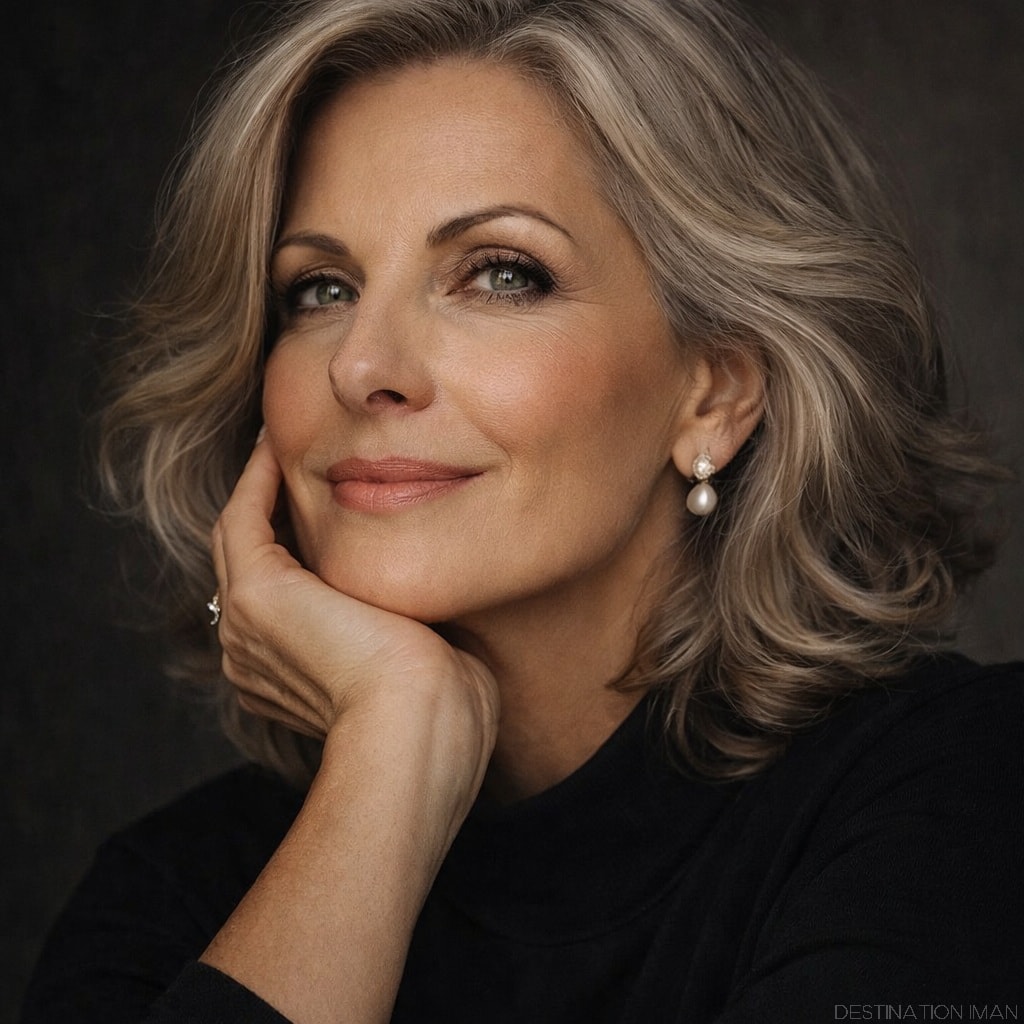
Beyond aesthetics, there is a pragmatic dimension. Natural beauty demands no continuous recalibration. It does not rely on maintenance cycles or corrective escalation.
Over time, restraint often proves more sustainable — visually, financially, and psychologically.
This logic increasingly resonates with individuals who view appearance not as a fixed outcome, but as a lifelong process.
Conclusion: Aging That Remains Legible
Natural beauty ages not by resisting time, but by moving with it.
Its advantage lies in coherence — features changing together, expressions remaining alive, identity staying visible beneath transformation.
In a culture capable of altering nearly anything, the most enduring form of beauty may be the one that preserves its ability to communicate — quietly, honestly, and over time.