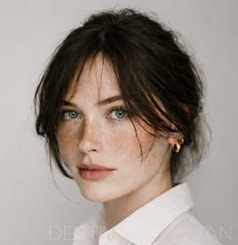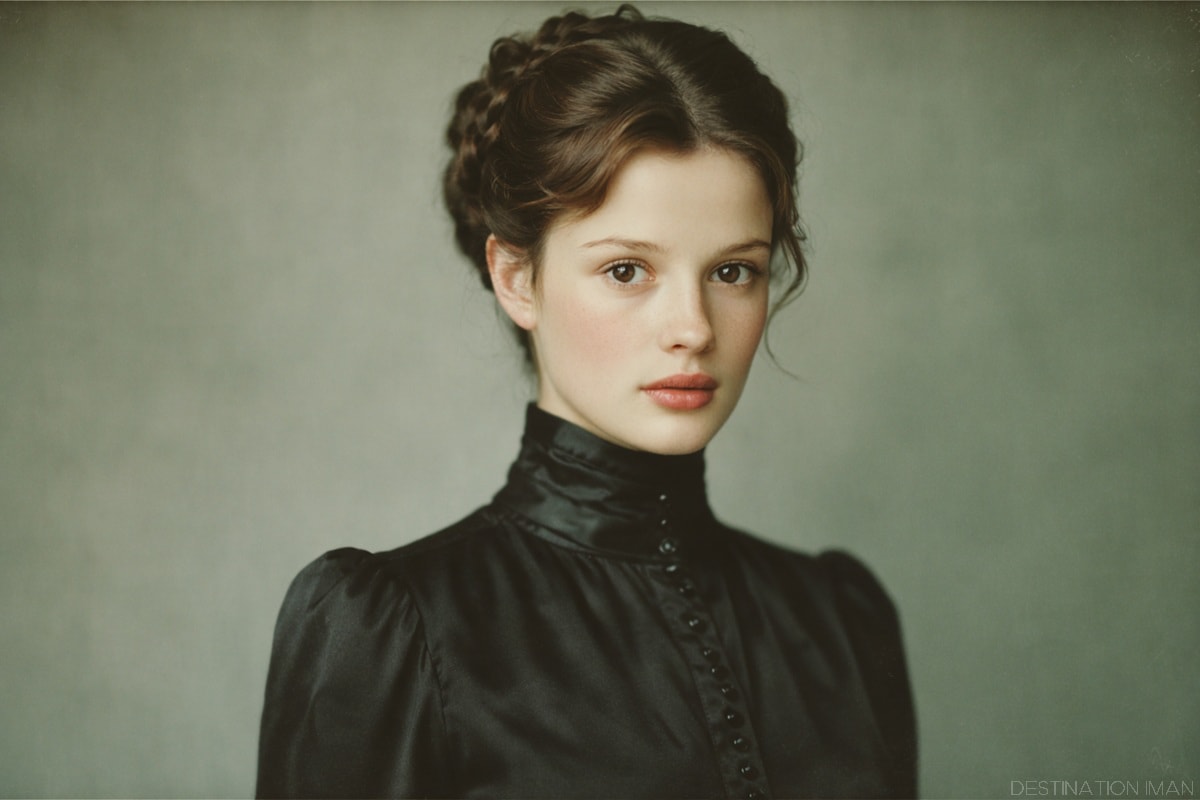
In the ever-evolving landscape of fashion, art, and design, one tension remains constant: classic beauty versus trends.
For image-driven industries — from luxury retail to editorial photography — this is not an abstract debate. It is a daily decision that shapes visual identity, cultural relevance, and long-term perception.
To understand how aesthetics endure or fade, we must look not at opposition, but at the distinct roles timelessness and novelty play within modern visual culture.
Defining Classic Beauty and Trends
Classic beauty refers to aesthetic languages that persist across generations. They rely on proportion, restraint, balance, and clarity — qualities that remain legible even as cultural contexts shift.
Think of the little black dress, restrained architectural lines, or portraits defined by light rather than embellishment. Their appeal does not depend on the moment of their creation.


Trends, by contrast, are anchored firmly in time. They emerge from cultural mood, technological possibility, and collective attention — and disappear just as quickly.
A trending silhouette, color palette, or visual filter often communicates immediacy rather than permanence. Its power lies in recognition, not endurance.
The Allure — and the Risks — of Each Approach
Classic aesthetics offer stability. They build trust and familiarity, allowing brands and creators to become reference points rather than reactions.

Objects and images grounded in timeless principles are more likely to become heirlooms — valued not for novelty, but for continuity.
Yet classic beauty carries its own risk: when left unexamined, it can slip into rigidity. What once felt enduring may begin to feel distant if it no longer reflects contemporary values or lived experience.
Trends, on the other hand, inject energy. They capture attention and create cultural momentum. In an economy driven by visibility, this can translate into rapid growth or instant relevance.
But trends age quickly. What feels urgent today can appear dated tomorrow — especially in visual environments shaped by algorithms that reward novelty above all else.

How Leading Brands Balance Timelessness and Change
The most resilient brands rarely choose between classic beauty and trends outright. Instead, they treat one as foundation, the other as modulation.
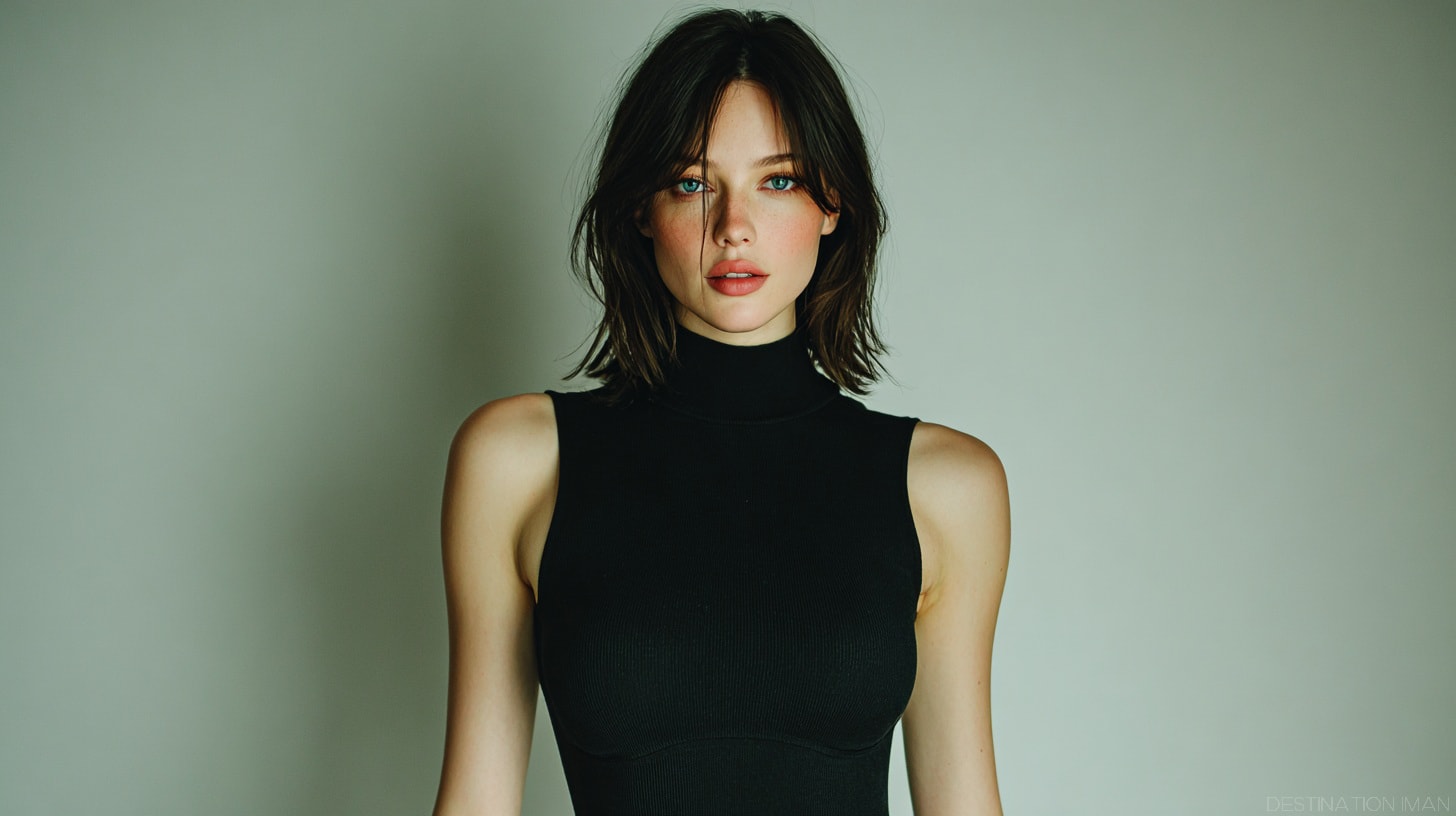
A strong visual identity begins with stable core principles — proportion, material honesty, clarity of form — and allows trends to appear only at the margins.
This balance enables evolution without erasure. Heritage remains intact, while relevance is continuously renewed.
Guidance for Today’s Creators and Brands

Navigating the timeless and the transient requires intentionality. For visual creators and brand leaders, several principles remain consistent:
- Understand not only who your audience is, but what they value.
- Anchor experimentation in a clear, recognizable visual language.
- Adopt trends as accents, not as identity.
- Use technology as a diagnostic tool — not a creative authority.
Human judgment remains irreplaceable. Algorithms can identify emerging patterns, but meaning emerges only through curation.
Conclusion: Foundation and Flourish
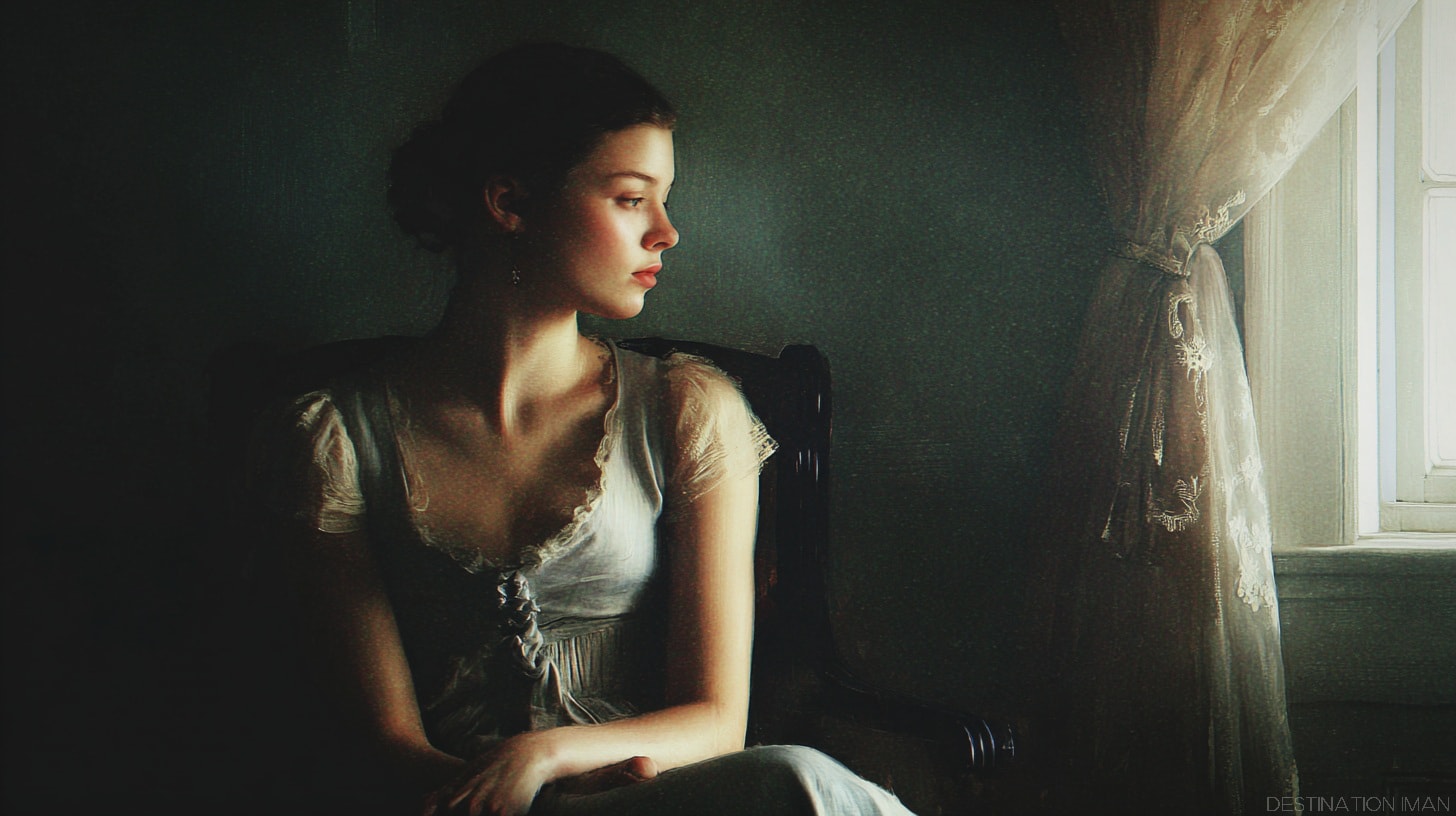
Classic beauty endures because it speaks to continuity — our desire for coherence beyond moments.
Trends matter because they reflect vitality — our need to respond, adapt, and experiment.
The most compelling aesthetics emerge when these forces are not opposed, but orchestrated.
Timelessness provides the foundation. Trends, when used with restraint, become flourish.