
Introduction
In an era defined by relentless innovation and the ephemeral nature of trends, the phrase “timeless beauty” retains a magnetic pull. It describes not only physical appearance, but also images, art, design, and visual languages that transcend their moment of creation.
For an image-driven website, timeless beauty is not an abstract idea — it is visible. It lives in composition, light, texture, proportion, and emotional restraint. Some images continue to resonate decades later, while others feel dated almost instantly.
This editorial explores why. Drawing from philosophy, neuroscience, culture, art history, and modern branding, we examine what allows certain visual forms to remain compelling across generations — and why truly timeless images never depend on trends alone.
I. Defining Timeless Beauty
1.1 Beauty Beyond Time
The word timeless suggests independence from fashion cycles and historical context. Yet beauty standards clearly evolve — from Rubens’ voluptuous figures to today’s minimalist silhouettes, from ornate baroque interiors to modern restraint.
What unites enduring forms is not sameness, but visual resonance — a deep alignment with how humans instinctively perceive harmony, balance, and meaning.
1.2 Objective and Subjective Aesthetics
Philosophers have long debated whether beauty exists inherently or only through perception. In visual culture, timelessness emerges at their intersection:
- Objective elements: symmetry, proportion, rhythm, balance
- Subjective layers: memory, emotion, cultural symbolism
Images that endure succeed because they satisfy both — pleasing the eye while leaving space for interpretation.
II. Biological Roots of Visual Appeal
2.1 Evolutionary Aesthetics
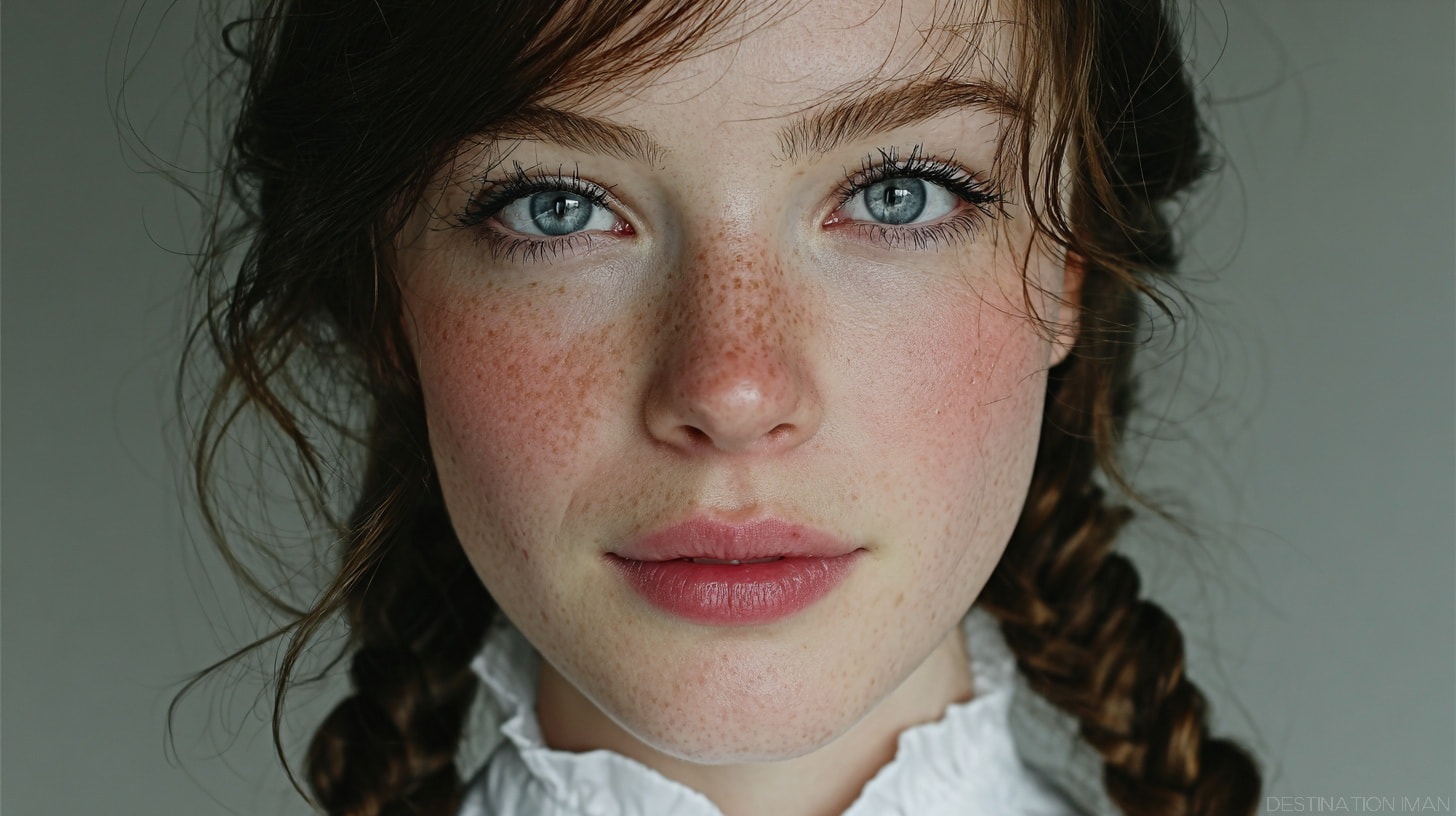
Certain visual preferences appear universally human. Across cultures and eras, people respond positively to:
- Symmetry — associated with health and stability
- Youthful cues — signaling vitality
- Averageness — visual familiarity that feels safe and balanced
This explains why classical portraits and carefully lit faces retain appeal centuries later. They mirror deeply ingrained biological patterns rather than surface fashion.
2.2 Neuroscience and Visual Pleasure
Neuroscientific studies show that viewing beautiful images activates the brain’s reward systems. Notably, the brain favors:
- Balanced complexity — neither chaotic nor sterile
- Natural patterns such as fractals
- Clear focal points combined with visual calm
Timeless images consistently occupy this “sweet spot” — visually rich yet emotionally restful.
III. Cultural Continuity and Archetypes
3.1 Visual Archetypes
Across civilizations, certain visual archetypes reappear:
- Maternal figures
- Heroic silhouettes
- Faces caught between mystery and intimacy
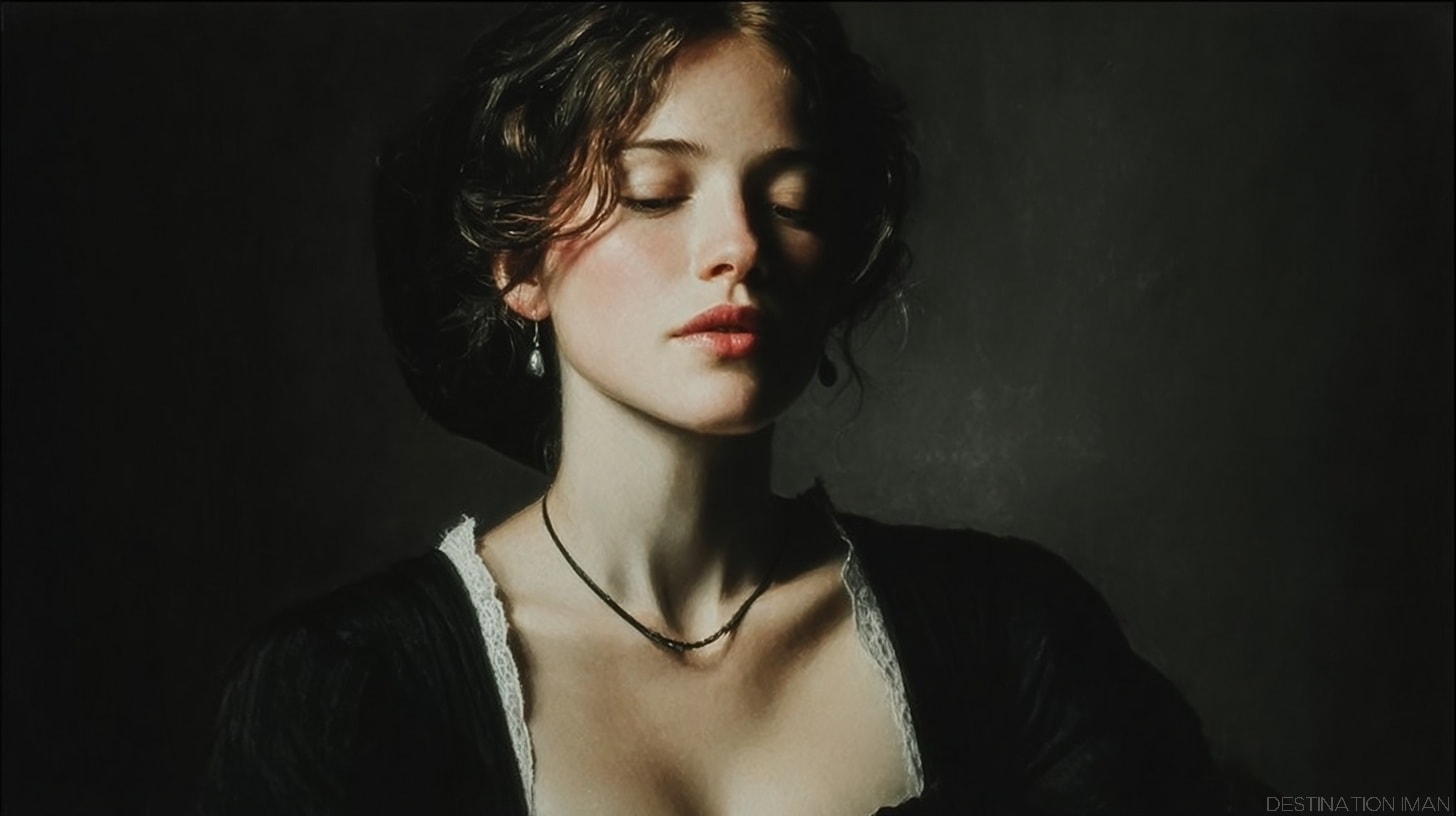
Images rooted in archetypes remain relevant because they tap into shared human narratives, not temporary social codes.
3.2 Reinterpretation Without Loss
Timeless visuals allow reinterpretation. Like Shakespearean plays, their surface may evolve, but their emotional core remains intact.
A photograph, portrait, or fashion image survives not by resisting change, but by offering enough depth to be re-seen.
IV. Artistic Principles That Endure
4.1 Composition, Light, and Proportion
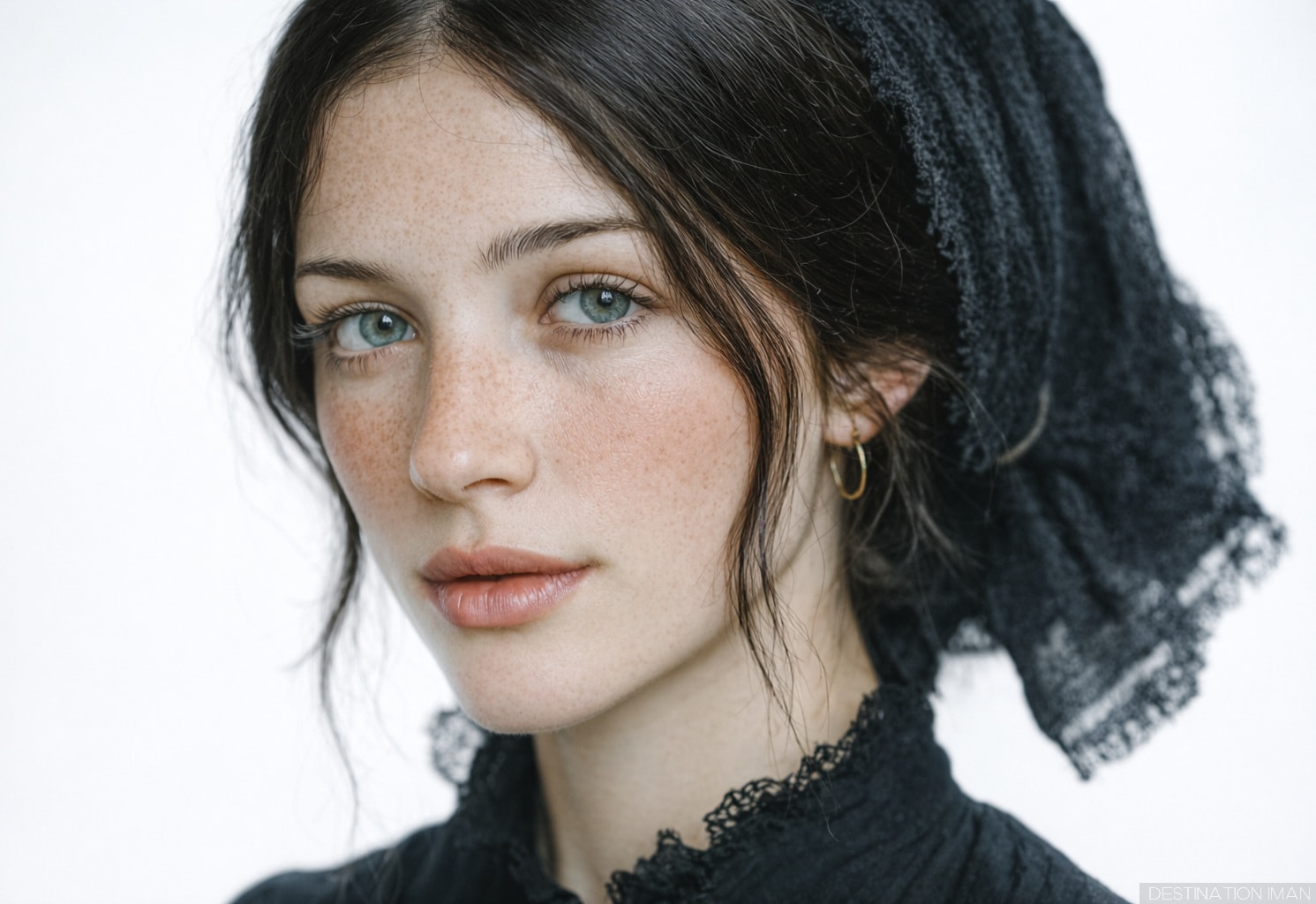
Across art, architecture, photography, and design, enduring works rely on the same principles:
| Principle | Visual Effect | Why It Endures |
|---|---|---|
| Symmetry | Stability | Feels biologically reassuring |
| Balance | Harmony | Prevents visual fatigue |
| Rhythm | Flow | Guides the eye naturally |
| Unity | Coherence | Creates memorability |
Images grounded in these principles age slowly — even as trends shift around them.
4.2 Craft, Texture, and Authenticity
Texture matters. Skin, fabric, stone, metal — materials carry time within them. Well-crafted visuals reveal detail without excess, imperfection without noise.
“Luxury is when it seems flawless… when you reach the right balance between all elements.”
Timeless images feel intentional, not manufactured for instant attention.

V. AI, Technology, and Timeless Aesthetics
Modern generative tools can produce visually impressive images instantly. Yet timelessness remains elusive.
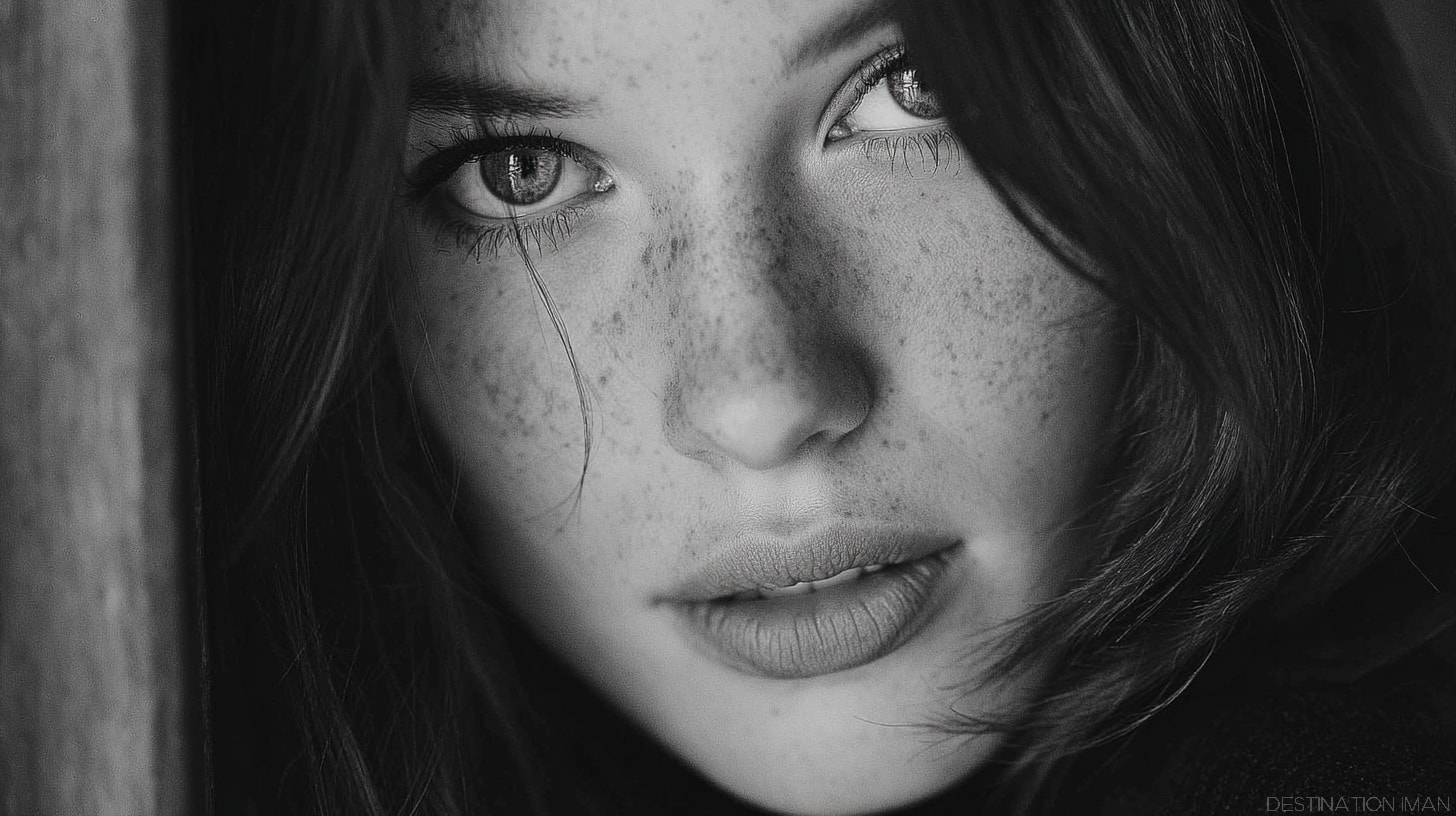
Why? Because enduring beauty depends not only on form, but on context, restraint, and narrative intention.
Technology amplifies what already exists — it does not replace judgment. The images that last are curated, not merely generated.
VI. Visual Icons That Outlast Trends
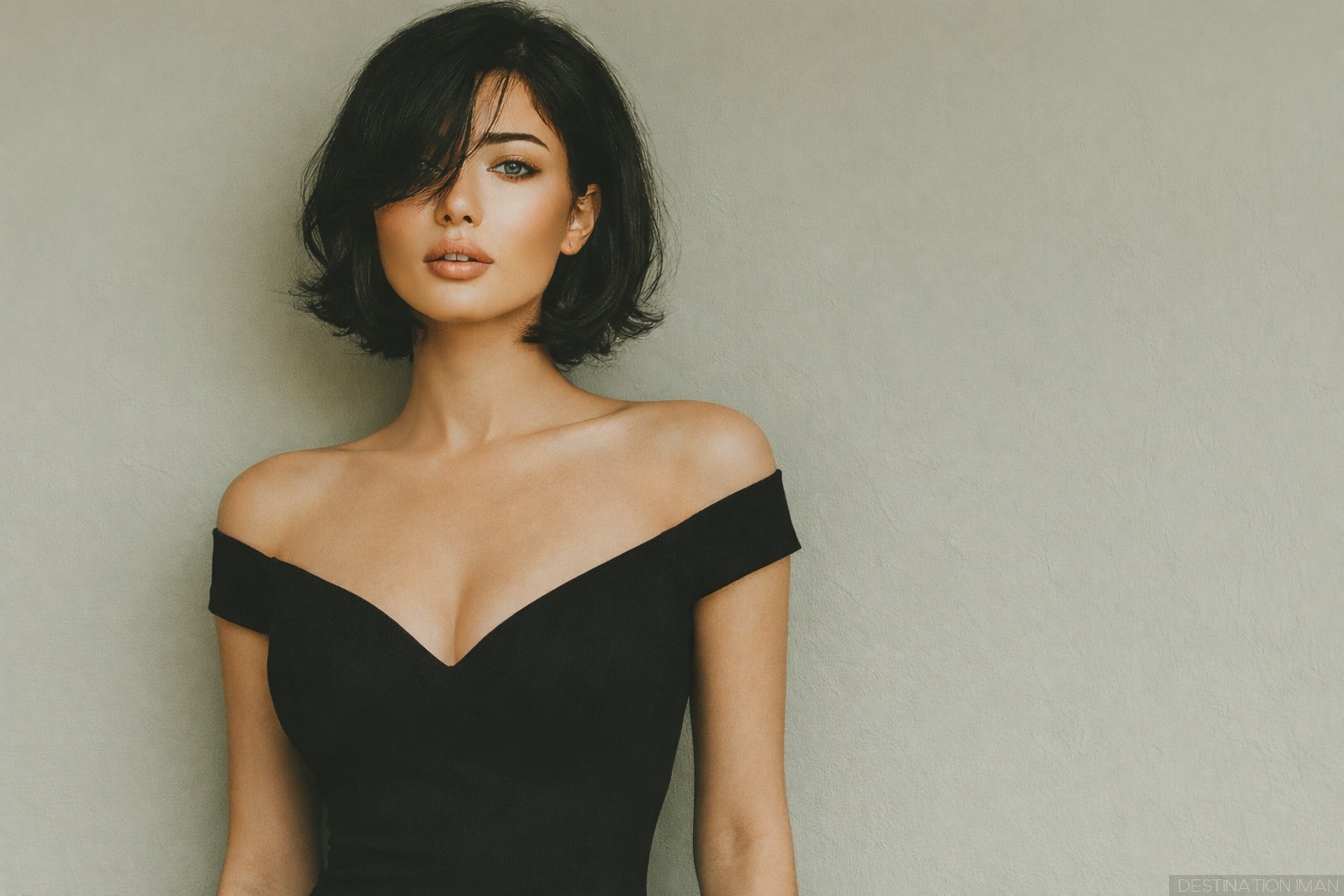
The Little Black Dress
Minimal lines, adaptability, and emotional neutrality allow it to remain relevant. The same logic applies to timeless images — simplicity that invites projection.
Mid-Century Modern Design
Clean geometry, honest materials, and functional beauty keep these forms contemporary decades later.
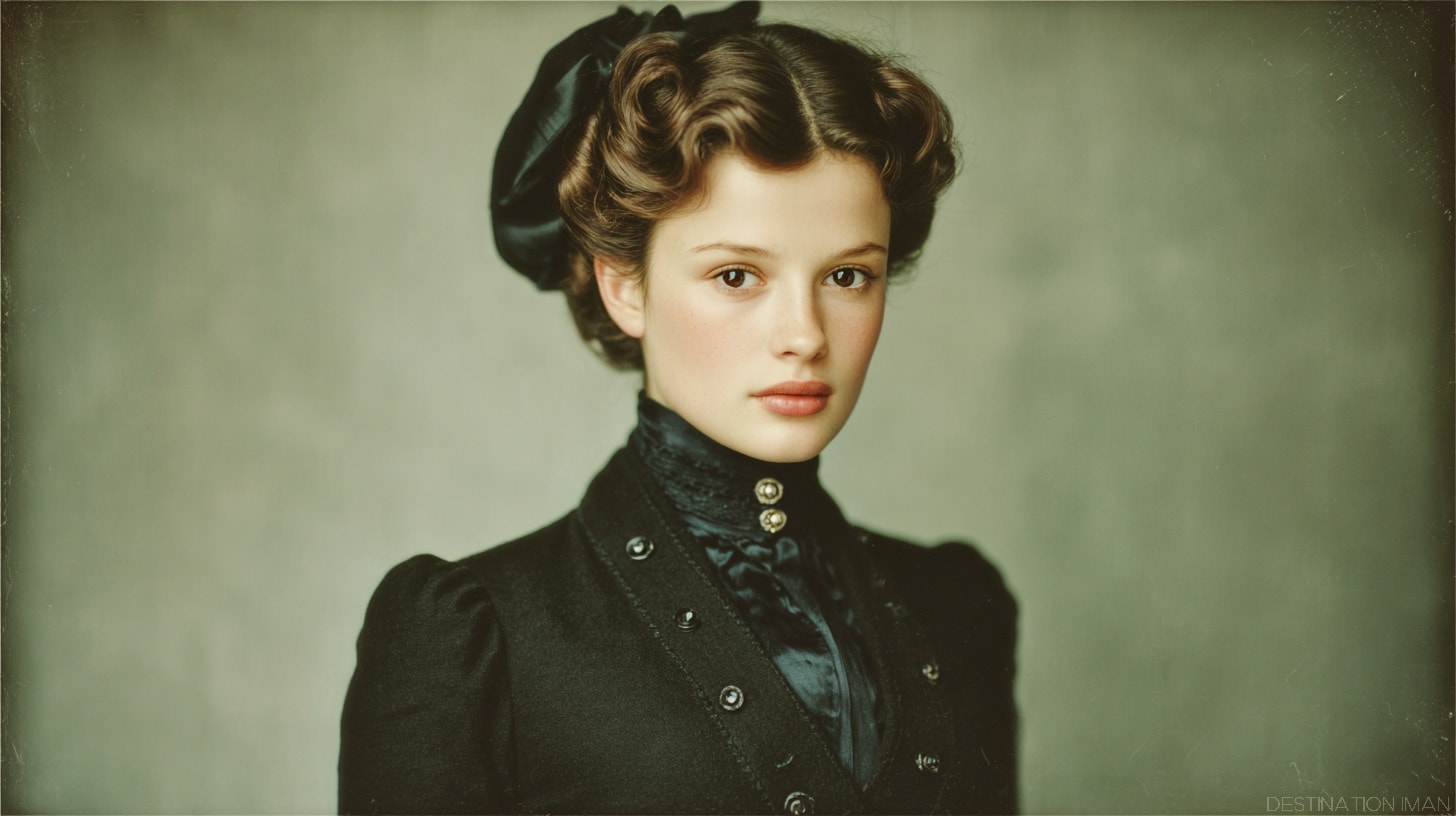
Classical Portraiture
Strong light, emotional ambiguity, and compositional discipline transform faces into symbols, not mere likenesses.

VII. Timelessness in Branding and Visual Identity
Great brands think visually in decades, not seasons.
- They protect core visual DNA
- They avoid trend saturation
- They favor evolution over reinvention
The same principle applies to image platforms — consistency builds trust, restraint builds value.
VIII. When Timelessness Fails
Visuals become dated when they rely too heavily on:
- Short-lived cultural signals
- Over-decoration
- Technology without intention
Endurance requires adaptability without abandoning essence.
Conclusion: Building Images That Endure
“Fashion fades; style is eternal.”
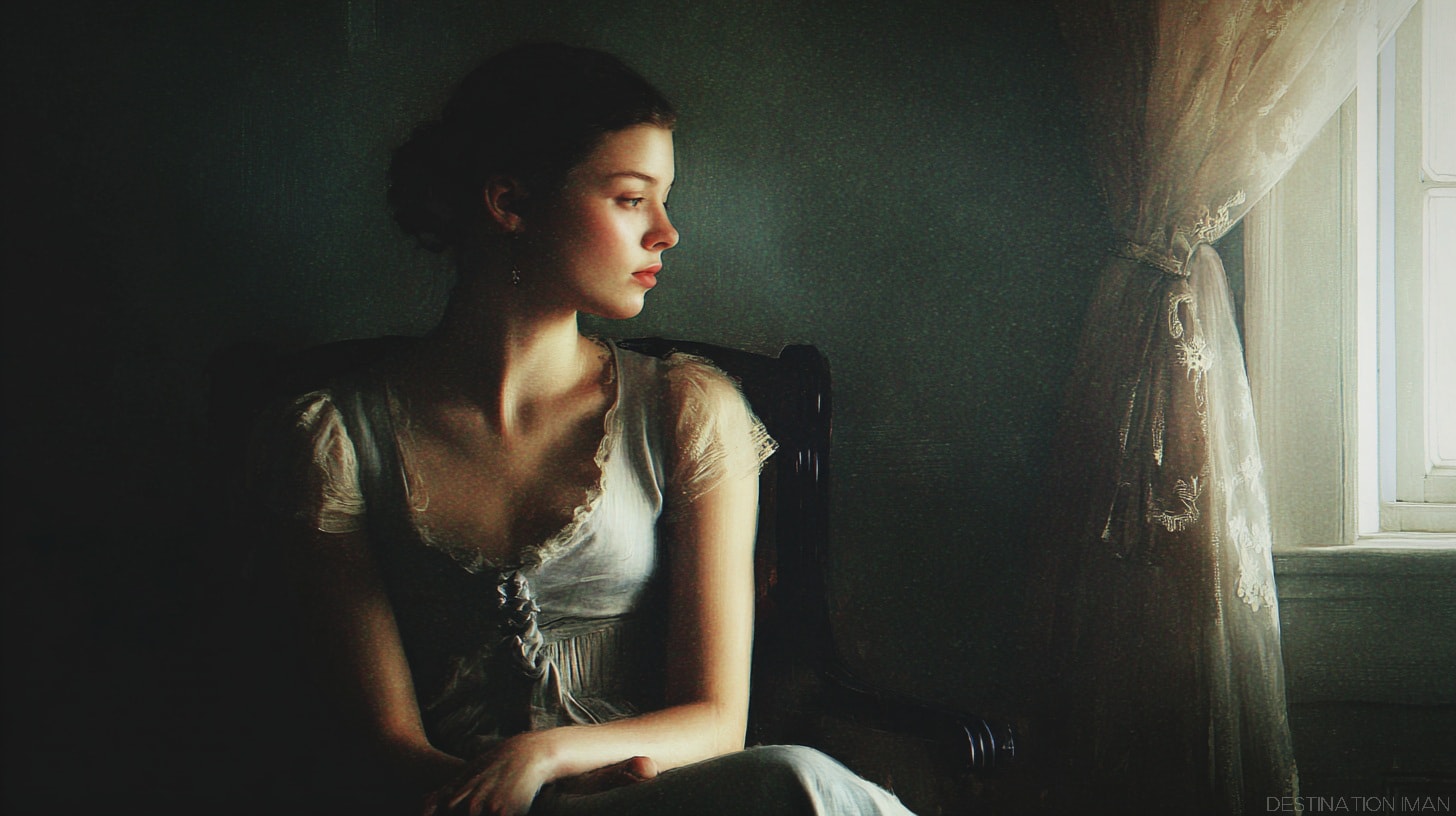
Timeless beauty lives where:
- Biology meets culture
- Form serves meaning
- Craft restrains excess
- Images invite contemplation rather than demand attention
For image-driven creators and platforms, timelessness is not nostalgia — it is a deliberate visual philosophy.
In a world flooded with visuals, the images that endure are those that know when to be silent.