Minimalism Beyond Aesthetic
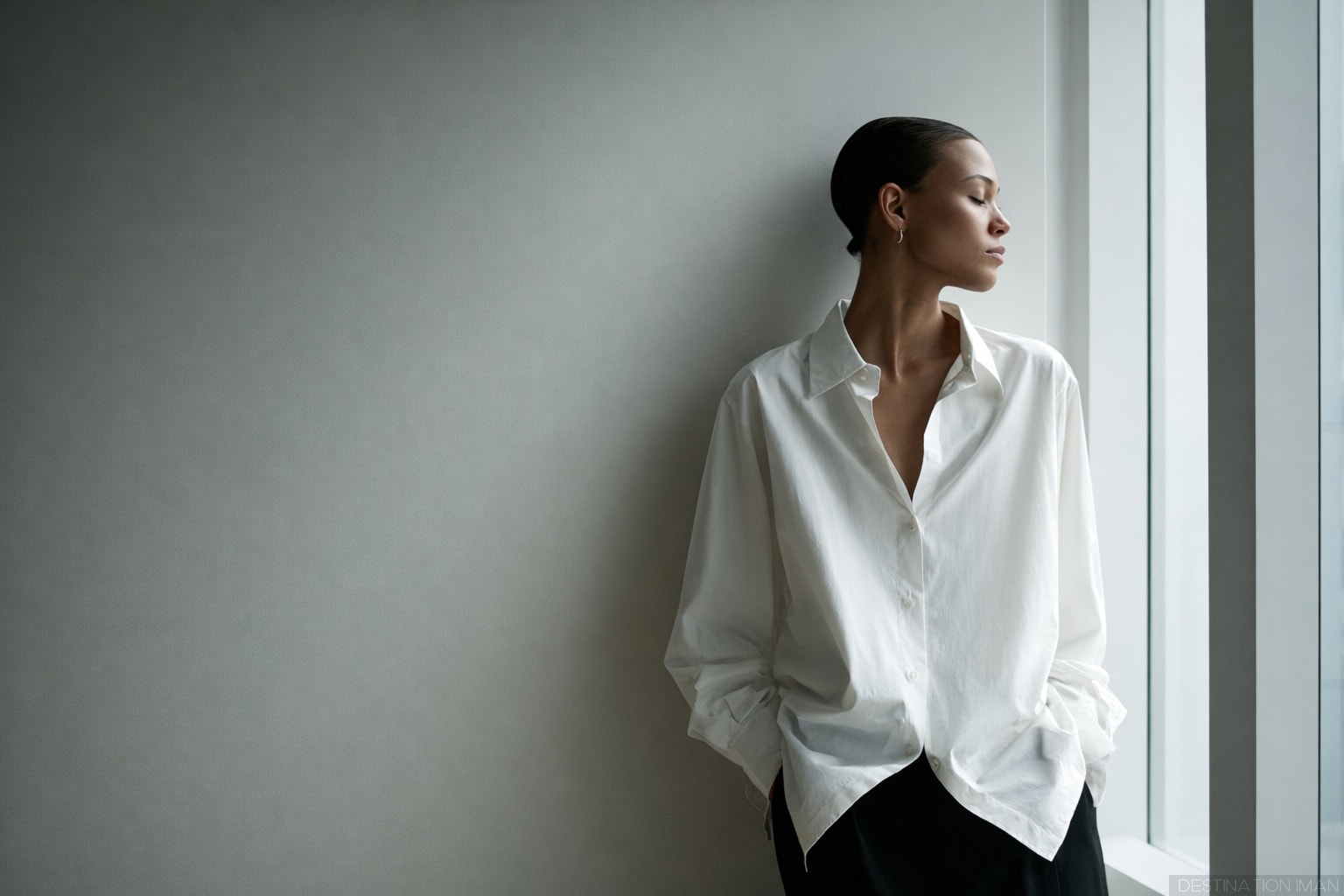
Minimalism is often misunderstood as an aesthetic of emptiness. White walls, neutral clothing, reduced detail. But at its core, minimalism is not about absence — it is about selection.
To remove something requires judgment. To keep something requires confidence. Minimalism operates on this tension: every remaining element must justify its presence.
In beauty and style, minimalism is not the absence of expression, but the elimination of noise that obscures it.

Minimalism in Beauty
Minimalist beauty is not about looking “natural” in a naïve sense. It is not an attempt to erase effort, but an effort redirected toward restraint.
Skin is allowed to exist as texture, not surface. Expressions are readable, not exaggerated. The face becomes a system rather than a canvas for trends.

This approach resists the visual inflation of contemporary beauty culture — where more contour, more gloss, more definition often results in less identity.
Minimalism in beauty prioritizes:
- clarity over decoration
- coherence over enhancement
- expression over performance
What remains is not emptiness, but legibility.

Minimalism in Style
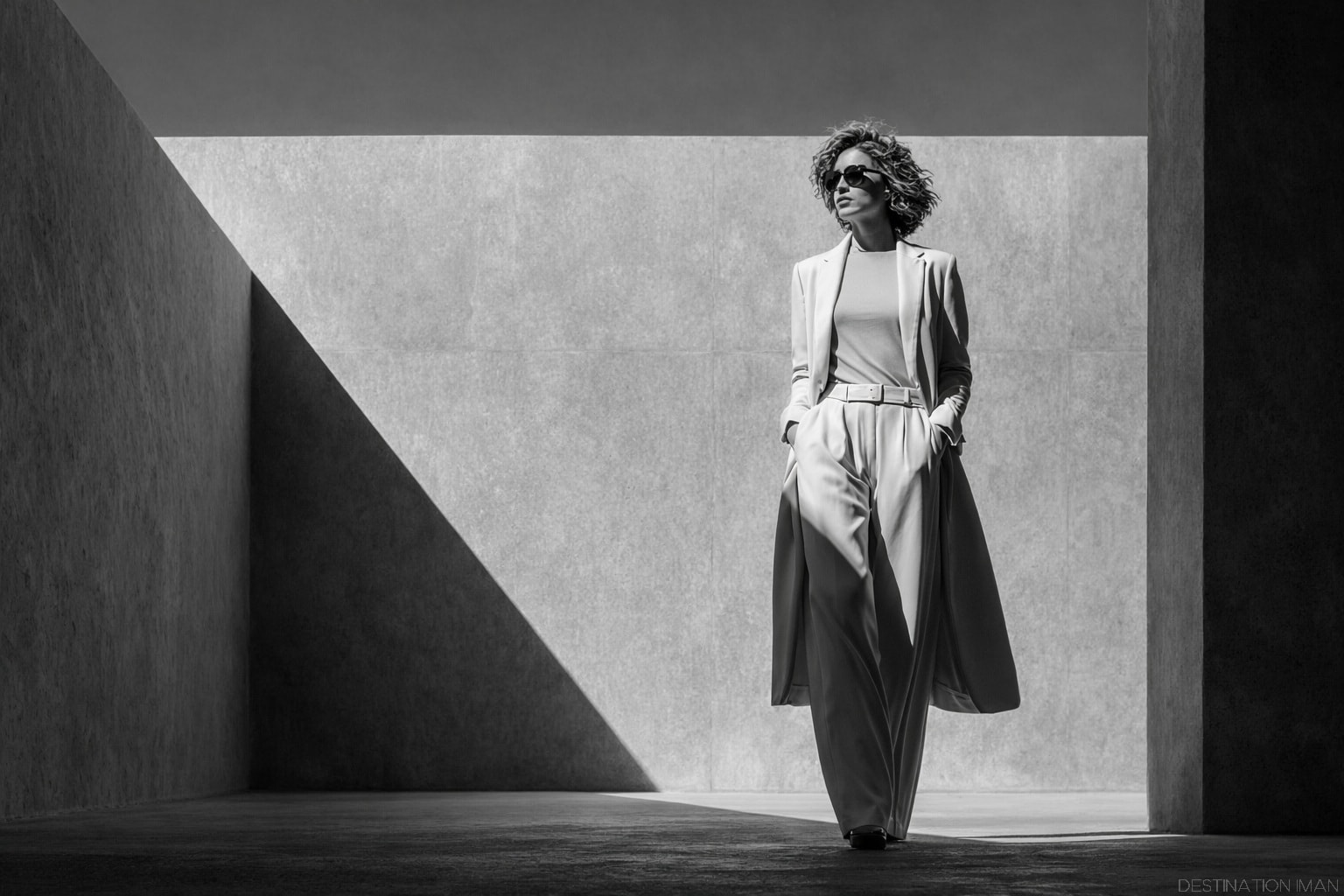
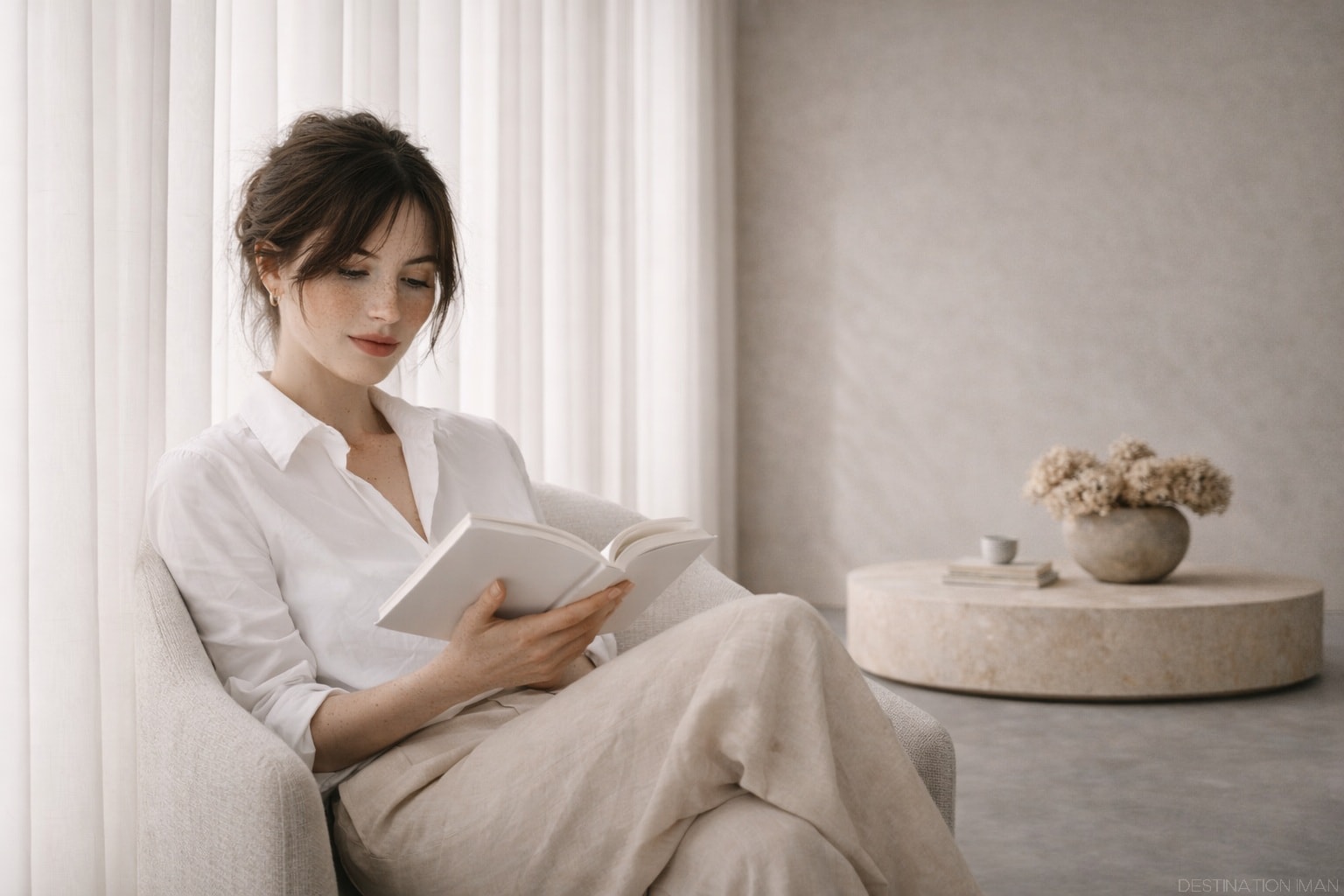
In clothing, minimalism is often mistaken for neutrality. In reality, it is one of the most demanding approaches to style.
Without patterns, logos, or excess detail, everything becomes visible: cut, proportion, fabric, movement.
A minimal garment does not distract. It frames the body rather than competing with it. It allows posture, gesture, and presence to carry meaning.
This is why minimalist style often appears timeless. It avoids visual markers that anchor it to a specific season or moment.
Why Minimalism Signals Luxury
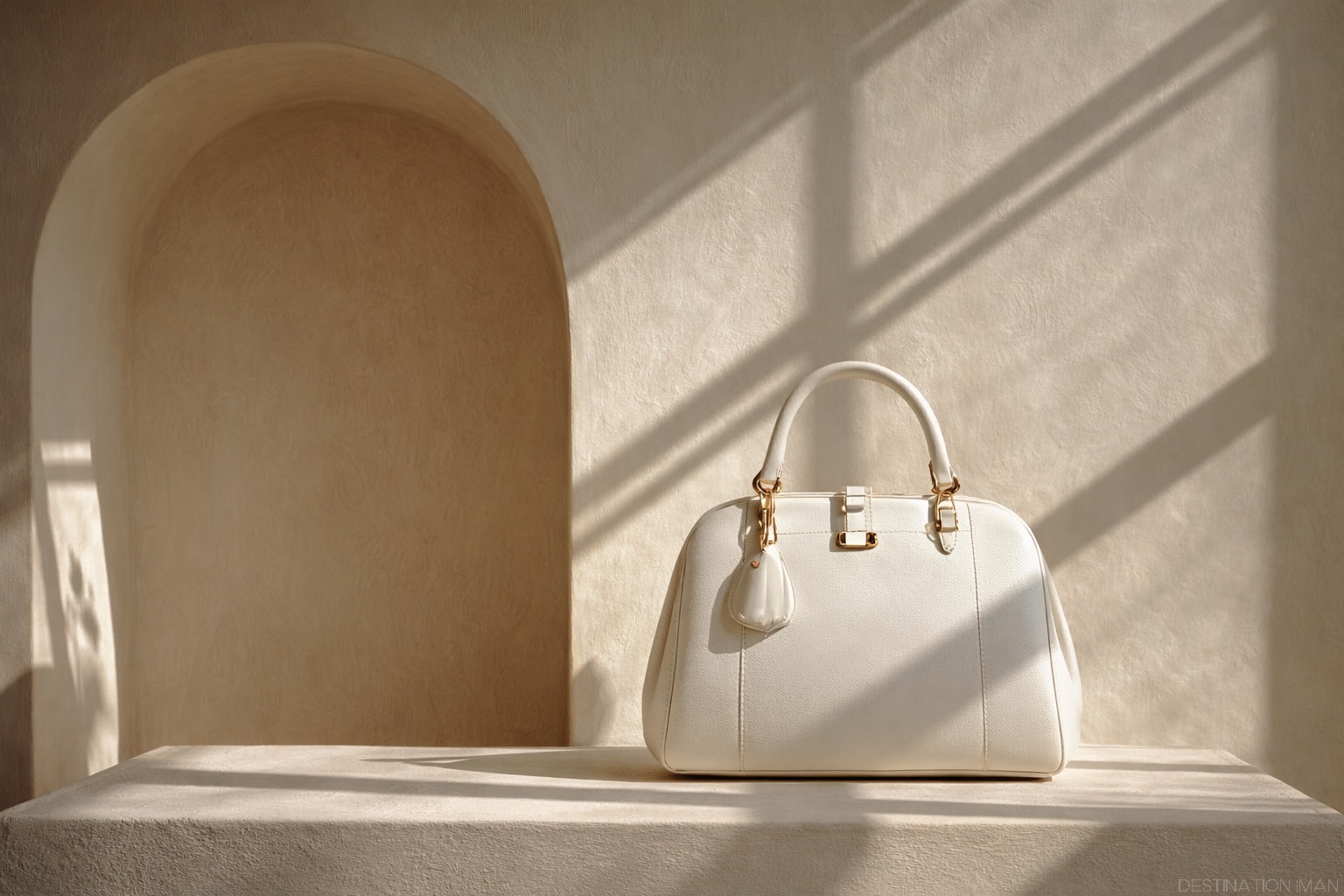
Luxury has never truly been about abundance. It has been about control.
Historically, ornament signaled wealth because labor was scarce. Today, excess is cheap. Attention is expensive.
Minimalism signals luxury because it implies:
- confidence to show less
- resources invested in quality rather than quantity
- freedom from the need to impress
In this sense, minimalism functions as a visual form of status — not through display, but through restraint.
Cultural Shift Toward Restraint
Contemporary culture is saturated with imagery. Feeds refresh endlessly. Styles mutate weekly. Trends cannibalize themselves.
Against this backdrop, minimalism reads as resistance. A refusal to participate in visual acceleration.
This is why minimalist beauty and style resonate today — not as trends, but as counterweights.
They offer slowness, continuity, and a sense of permanence in a culture built on immediacy.
When Minimalism Fails
Minimalism is not immune to failure. When misunderstood, it becomes sterile, performative, or trend-driven in its own right.
Minimalism fails when:
- it imitates aesthetics without understanding purpose
- it removes elements without improving clarity
- it becomes a visual shortcut rather than a discipline
True minimalism is not effortless. It is demanding. And that demand is visible.
Conclusion: The Discipline of Less
Minimalism in beauty and style is not about doing less. It is about doing only what matters — and doing it well.
It replaces accumulation with intention, noise with silence, novelty with endurance.
In a world that rewards excess, minimalism remains quietly radical. Not because it rejects expression, but because it refines it.
What endures is rarely what shouts the loudest — but what knows when to stop.