Makeup should enhance your natural features and give you confidence, not unintentionally add years to your appearance. However, certain common mistakes—often made with the best intentions—can make the face appear tired, heavy, or older than it actually is.
This comprehensive guide highlights the most common makeup habits that may be aging your look and provides practical solutions to help you achieve a fresh, youthful appearance regardless of your age.
Key Takeaways
- Heavy, full-coverage foundation settles into fine lines and emphasizes wrinkles
- Excessive powder creates a dry, flat appearance that ages skin
- Dark eyeliner on the lower lash line makes eyes appear smaller and tired
- Proper blush placement creates a lifted, youthful effect
- Modern, updated techniques make the biggest difference in achieving a fresh look
In This Article
Using Heavy Foundation
One of the most common aging mistakes is applying thick layers of full-coverage foundation across the entire face. While heavy foundation may seem like it provides better coverage, it often creates the opposite effect by settling into fine lines, creases, and pores, making them more noticeable.
Why This Ages You
Full-coverage foundation has a thick consistency that doesn't move naturally with your facial expressions. As you talk, smile, or go about your day, the product accumulates in fine lines around the eyes, mouth, and forehead. This creates a visible texture that draws attention to wrinkles rather than concealing them.
Additionally, heavy foundation can create a mask-like appearance that looks unnatural and emphasizes the disconnect between your face and neck, particularly in natural lighting.
"A heavy foundation will settle into fine lines, making them more noticeable and exaggerated and will only emphasize wrinkles," warns celebrity makeup artist Gemma Clark. "Thick consistency foundation is too heavy and the worst culprit for making mature skin look older."
The Better Approach
Instead of full-coverage foundation applied everywhere, try these alternatives:
- Use lightweight, hydrating formulas: Look for foundations labeled as "luminous," "dewy," or "radiant" rather than "matte" or "full coverage"
- Apply strategically: Use foundation only where you need coverage—typically the center of the face—and blend outward
- Build coverage gradually: Start with a thin layer and add more only to specific areas that need it
- Choose skin-like finishes: Opt for foundations that mimic natural skin texture rather than creating a flat, uniform appearance
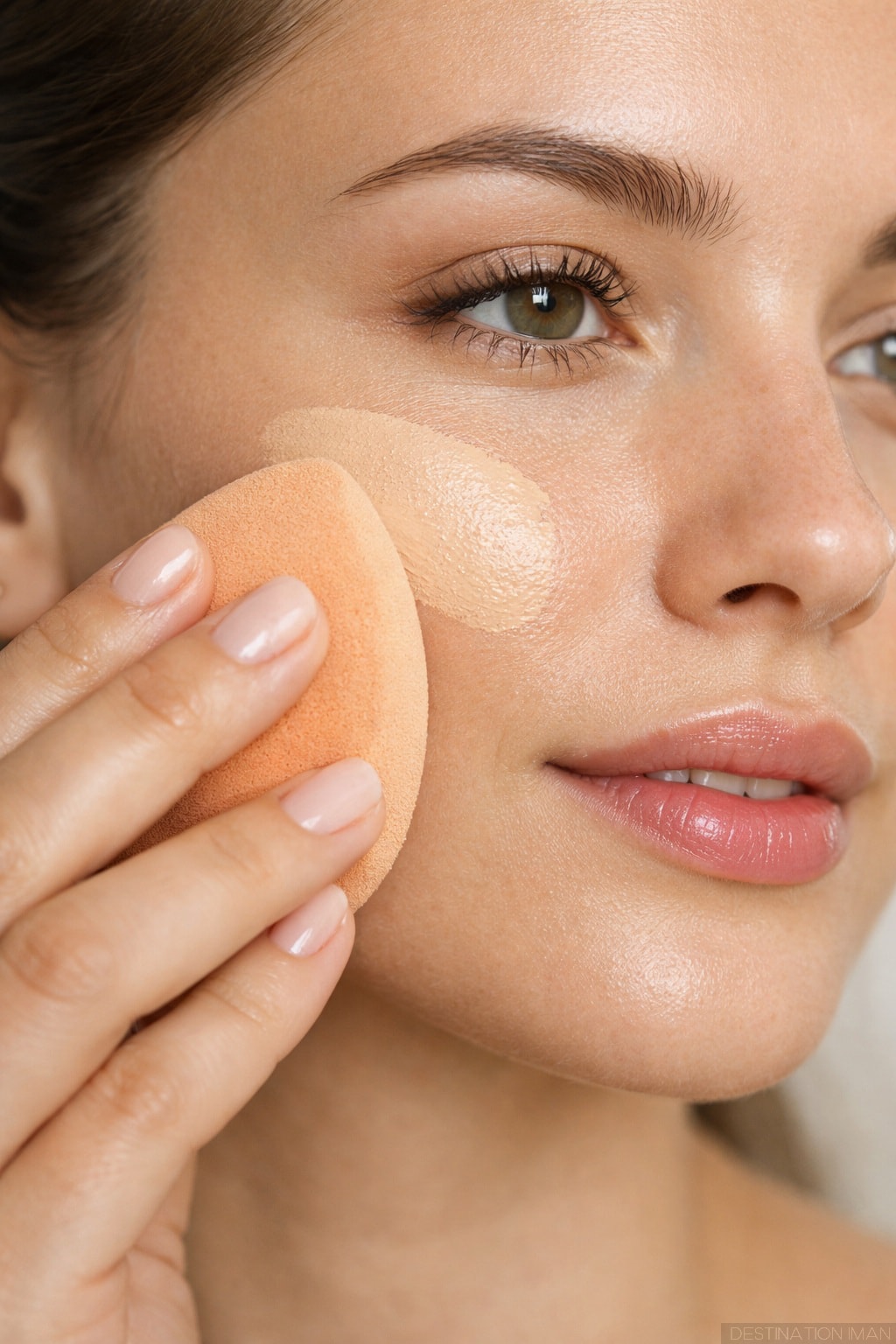
Apply foundation with a damp beauty sponge rather than a brush. The sponge deposits a thinner, more natural layer of product and helps blend seamlessly into the skin without creating harsh lines or heavy buildup.
Skipping Skin Prep
Applying makeup to dry, dehydrated, or poorly prepped skin is a recipe for an aged appearance. When skin lacks proper moisture and smoothness, makeup sits on the surface unevenly, emphasizing texture, flakiness, and fine lines.
Why This Ages You
Dry skin causes makeup to cling to rough patches and accentuate texture. Without proper hydration, foundation can appear patchy, cakey, or separated throughout the day. Fine lines become more visible when the surrounding skin is dehydrated.
The Better Approach
Create a smooth canvas before applying any makeup:
- Cleanse gently: Start with a clean face using a gentle, non-stripping cleanser
- Hydrate thoroughly: Apply a hydrating serum or essence while skin is still damp
- Moisturize properly: Use a moisturizer appropriate for your skin type and wait 2-3 minutes for absorption
- Apply primer strategically: Use a smoothing or hydrating primer on areas prone to texture or dryness
- Let products sink in: Give your skincare time to absorb before applying makeup
Many people skip moisturizer if they have oily skin, thinking it will make makeup slide off. In reality, well-moisturized skin holds makeup better and looks more youthful. Choose an oil-free, lightweight moisturizer if you're concerned about shine.
Overusing Powder
While setting powder serves an important purpose in makeup application, using too much or applying it everywhere creates a dry, flat, artificially matte appearance that adds years to your face. Powder can settle into fine lines and emphasize texture, especially around the eyes and mouth.
Why This Ages You
Excessive powder absorbs natural oils and moisture from your skin, leaving it looking dull and lifeless. As the day progresses, powder accumulates in creases, making fine lines appear deeper and more noticeable. The matte finish also eliminates the natural luminosity that characterizes youthful skin.
The Better Approach
Use powder strategically rather than all over:
- Powder only the T-zone: Focus on areas that get oily (forehead, nose, chin)
- Avoid the under-eye area: Never "bake" or heavily powder under the eyes, as this exaggerates fine lines
- Use a light hand: Apply a thin layer using a fluffy brush, not a puff
- Choose finely-milled formulas: High-quality, finely-milled powders are less likely to look cakey
- Consider cream products: Use cream blush and highlighter instead of powder versions for a more natural, dewy finish
Many makeup artists now recommend the "sandwich method": apply a thin layer of powder before foundation, then skip setting powder entirely or use it minimally. This helps foundation last without creating a dry, aged appearance.
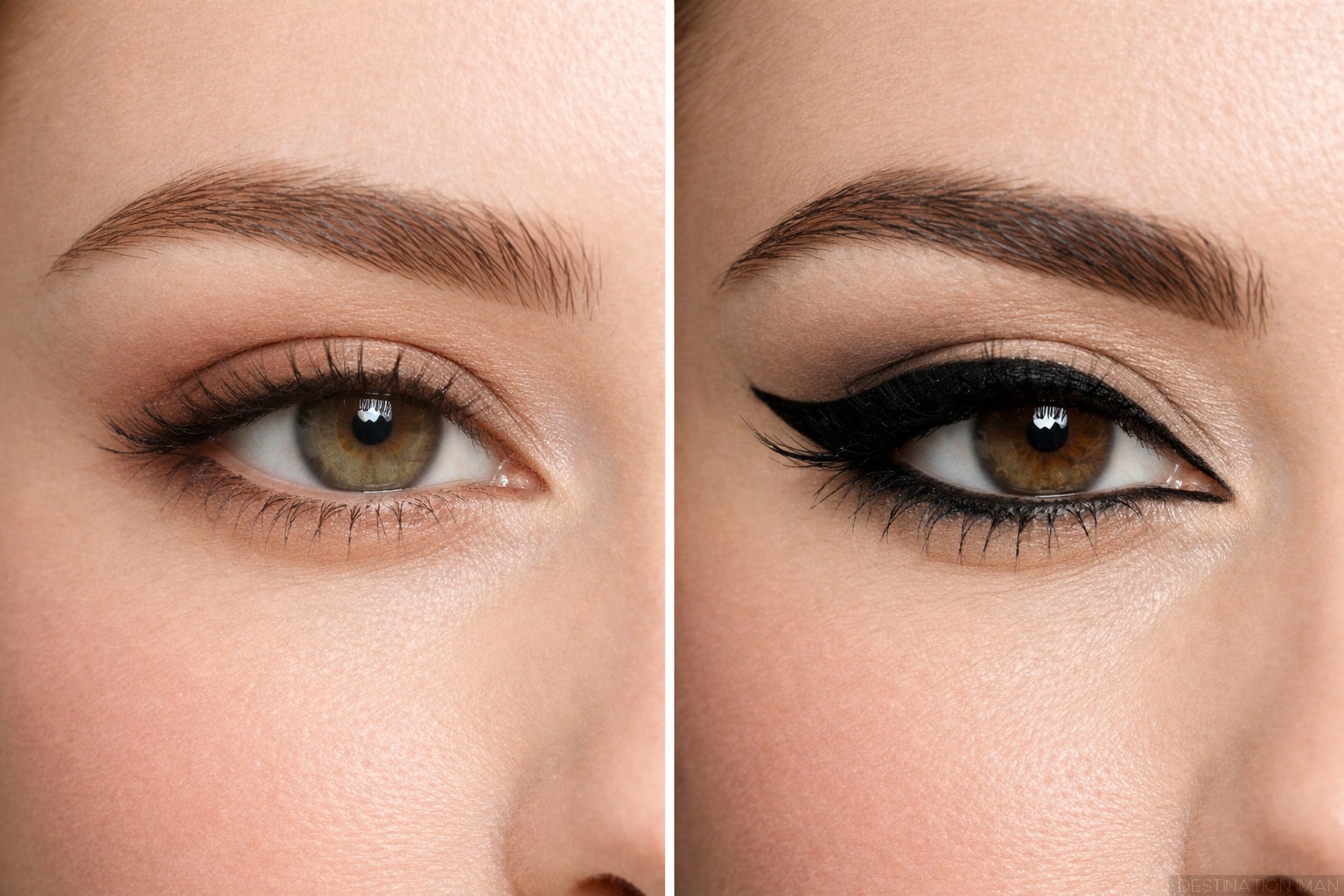
Dark or Harsh Eyeliner
Thick, dark eyeliner—particularly when applied to the entire lower lash line—is one of the quickest ways to make eyes appear smaller, tired, and older. This technique closes off the eye area and draws attention downward, creating a dragging effect.
Why This Ages You
As we age, eyes naturally appear smaller due to changes in eyelid skin and fat distribution. Heavy black liner all around the eye exacerbates this by visually shrinking the eye opening. Lower lash line liner also emphasizes dark circles and under-eye shadows, making you look tired.
Additionally, harsh, unblended liner creates stark contrast that draws attention to wrinkles and crow's feet around the eyes.
The Better Approach
Update your eyeliner technique for a more youthful look:
- Choose softer colors: Swap black for brown, taupe, charcoal, or navy for a gentler effect
- Avoid the lower lash line: Skip liner on the bottom entirely, or apply only to the outer third
- Tight-line the upper waterline: Apply liner to the upper waterline (between lashes) to define eyes without visible liner
- Smoke it out: Blend liner edges with a smudge brush for a softer, more diffused look
- Keep it thin: A thin line on the upper lash line opens eyes more than a thick, dramatic wing
- Lighten the inner corner: Apply a nude or white pencil to the lower waterline to brighten and open the eye
Board-certified dermatologist Dr. Sam Ellis notes: "Heavy liner on the bottom lid is aging for many reasons. It makes your eyes look smaller, it accentuates the fine lines surrounding the eyes, and it drags down your whole face."
Ignoring Brows
Eyebrows frame the face and play a crucial role in creating a youthful appearance. Overly thin, poorly shaped, or completely neglected brows can throw off facial proportions and add years to your look.
Why This Ages You
As we age, brow hair naturally becomes sparser and lighter. Ignoring this change or maintaining the same overly-plucked brows from decades past creates an outdated look. Thin brows make the upper face appear larger and draw attention to drooping eyelids or forehead wrinkles.
Conversely, brows that are too dark, blocky, or heavily drawn on look artificial and harsh, also adding years.
The Better Approach
Create natural, well-groomed brows that enhance your features:
- Fill sparse areas: Use a brow pencil or powder to gently fill in gaps with hair-like strokes
- Choose the right shade: Select a color one to two shades lighter than your hair for a natural look
- Focus on shape: Create a soft arch that follows your natural bone structure
- Avoid harsh lines: Blend product thoroughly for soft, feathered edges
- Set with gel: Use a clear or tinted brow gel to hold hairs in place without stiffness
- Consider professional shaping: Get brows professionally shaped to establish a good foundation
When filling in brows, start from the middle of the brow and work outward, then go back and lightly fill the inner portion. This prevents the overly-bold inner brow that can look harsh and dated.
Wrong Blush Placement
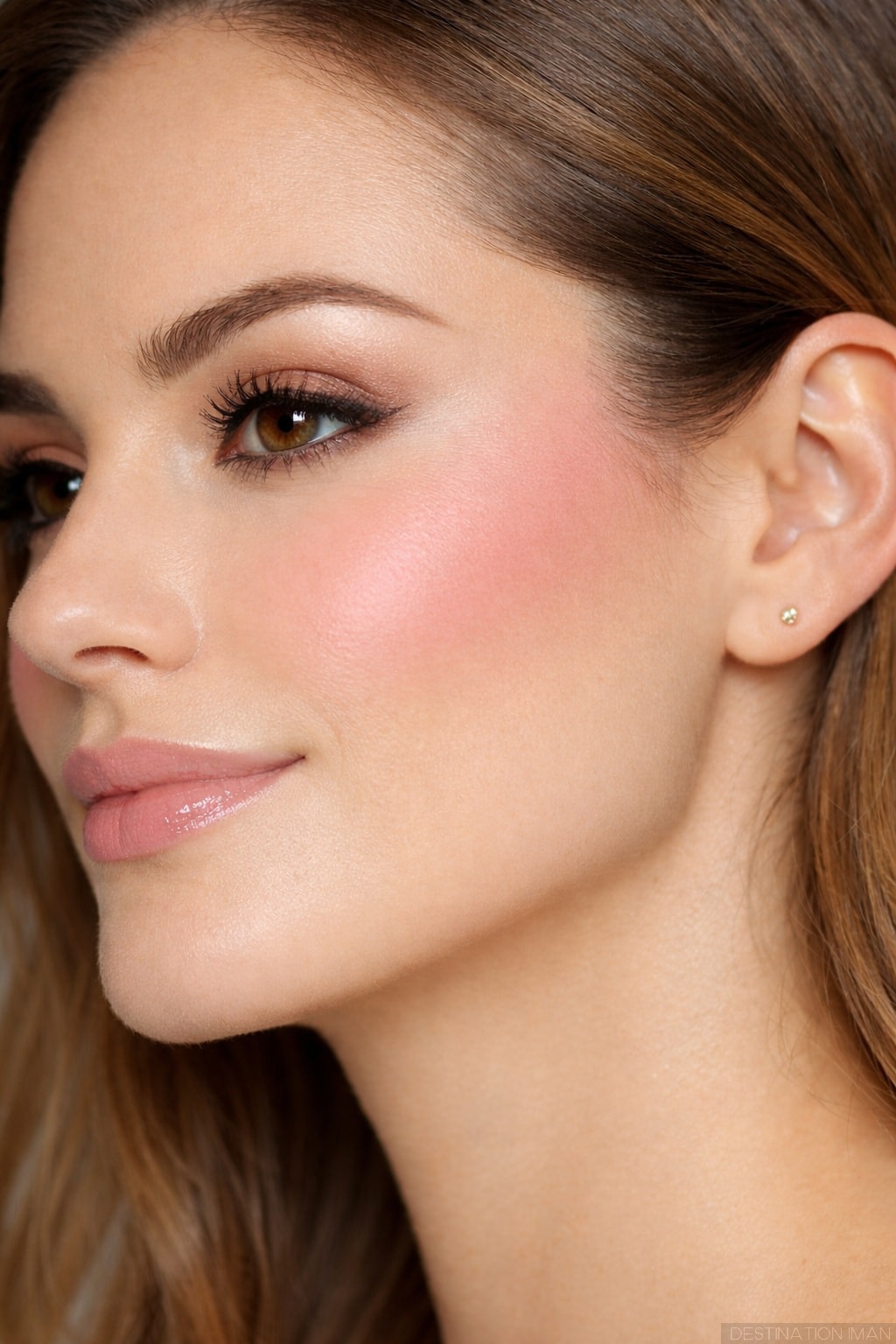
Blush placement dramatically affects whether your face looks lifted and youthful or tired and droopy. Many people still apply blush using outdated techniques that drag the face downward, adding years to their appearance.
Why This Ages You
Applying blush too low on the cheeks—particularly in the hollows or apples when smiling—creates a downward pull that emphasizes sagging and jowls. This placement also shortens the face and makes features appear to droop.
Similarly, placing blush too close to the nose can make the face look wider and older.
The Better Approach
Master youthful blush placement:
- Apply higher on cheekbones: Place blush on the upper part of your cheekbones, not in the apples of your cheeks
- Angle upward: Blend color upward and outward toward your temples for a lifted effect
- Stay above your cheekbone: When you smile, ensure blush doesn't fall below your cheekbone
- Use cream formulas: Cream blush looks more natural and skin-like than powder on mature skin
- Choose flattering shades: Opt for soft pink, peach, or berry tones rather than orange or brown
Beauty expert Erica Taylor advises: "When you smile, make sure that your blush doesn't fall below your cheekbone. This can actually make you look older. Apply to the upper cheekbone and blend upward for an instant lift."
Ultra-Matte Lipstick
While matte lipstick has been trendy, extremely matte formulas can be particularly aging on mature lips. These products emphasize lip lines, make lips appear thinner, and create a dry, flat appearance.
Why This Ages You
Matte lipsticks contain ingredients that absorb moisture, causing lips to look dehydrated and accentuating vertical lip lines (often called "smoker's lines" even in non-smokers). The flat finish also makes lips appear smaller and less full.
The Better Approach
- Choose satin or creamy finishes: These provide color without the drying effect
- Use lip liner: Line and slightly fill in lips to prevent feathering and create definition
- Add dimension: Apply a touch of gloss or highlighter to the center of lips for fullness
- Hydrate first: Always apply lip balm before lipstick to create a smooth base
- Avoid dark, matte colors: Very dark matte shades are the most aging combination
Incorrect Concealer Use
Concealer is meant to brighten and perfect, but using it incorrectly—particularly under the eyes—can emphasize fine lines and create an aged appearance.
Common Concealer Mistakes
Using too-light concealer: Choosing a shade significantly lighter than your skin tone creates an obvious, artificial-looking contrast that draws attention to under-eye hollows.
Applying too much product: Heavy concealer settles into fine lines and creases, making them more visible throughout the day.
Dragging during application: Pulling on delicate under-eye skin during application can emphasize wrinkles and damage skin over time.
The Better Approach
- Choose the right shade: Pick concealer only 1-2 shades lighter than your skin tone
- Use a lightweight formula: Opt for hydrating, creamy concealers rather than full-coverage formulas
- Apply in a triangle shape: Create an inverted triangle under the eye, with the point at the top, then blend gently
- Pat, don't rub: Use a tapping motion with your ring finger or a damp sponge
- Set minimally: If setting with powder, use the smallest amount possible
Never "bake" your under-eye area with heavy powder. This trendy technique is designed for photography and stage makeup, not everyday wear, and it will settle into every fine line and make you look significantly older.
Outdated Makeup Techniques
Makeup trends and techniques evolve constantly. Continuing to use methods from decades ago—no matter how well they worked then—can date your appearance significantly.
Dated Techniques to Avoid
Brown lip liner with lighter lipstick: This '90s trend now looks harsh and outdated. Use lip liner that matches your lipstick shade.
Over-contoured cheeks: Harsh, stripey contouring ages the face. Use a light hand and blend thoroughly for subtle definition.
Frosted eyeshadow: Shimmery, frosty shadows emphasize texture and creases. Choose satin or matte finishes with subtle sheen.
Pencil-thin eyebrows: Update to fuller, more natural brow shapes that suit your face.
Heavy blush on the apples: As discussed, this placement drags the face down. Apply higher and blend upward.
Modern Techniques to Embrace
- Skinimalism: Focus on glowing, well-prepped skin with minimal coverage
- Soft, blended everything: Harsh lines are out; soft, diffused edges are in
- Strategic highlighting: Use cream highlighter on high points for natural radiance
- Natural brows: Fuller, feathered brows that complement your features
- Cream products: Cream blush, bronzer, and highlighter blend seamlessly into skin
How to Fix These Mistakes: Your Action Plan
Now that you understand what ages your makeup, here's a step-by-step plan to create a more youthful look:
Your Anti-Aging Makeup Checklist
- Switch to lightweight, hydrating foundation and apply only where needed
- Always prep skin with moisturizer and primer before makeup
- Use powder sparingly, only on oily areas like the T-zone
- Replace black eyeliner with brown or charcoal, and avoid the lower lash line
- Fill in and groom brows for a natural, fuller appearance
- Apply blush higher on cheekbones and blend upward
- Choose cream or satin lip products over ultra-matte formulas
- Use concealer sparingly and in the correct shade
- Update old techniques with modern, soft, blended approaches
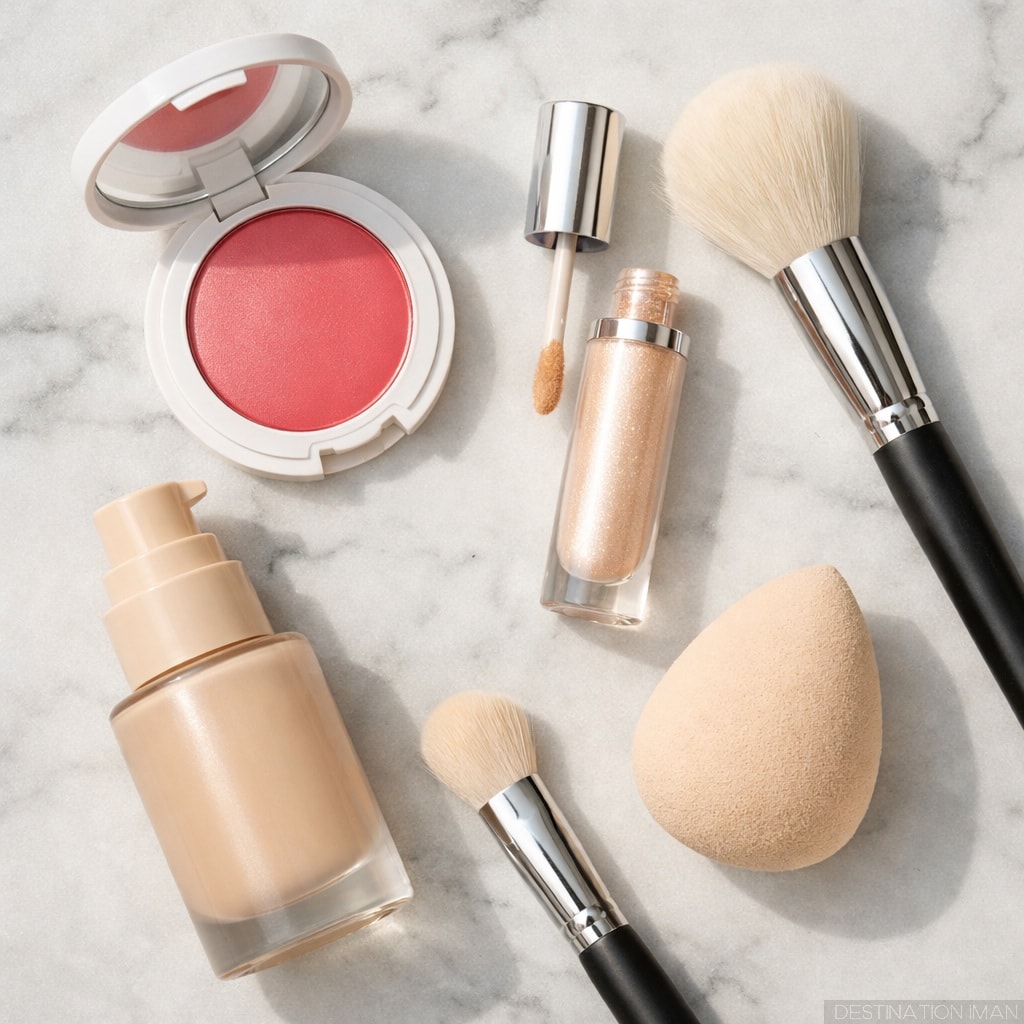
- Invest in good tools: damp sponges and soft, fluffy brushes
The Youthful Makeup Formula
Creating a fresh, ageless makeup look comes down to this simple formula:
The Essential Elements
- Lightweight coverage: Less is more when it comes to base products
- Strategic placement: Apply products where they'll have the most flattering effect
- Soft, blended edges: Harsh lines age you; soft transitions keep you looking fresh
- Luminous finish: Some glow and dewiness reads as youthful; flat matte reads as older
- Updated techniques: Regularly refresh your skills to keep current
Tools That Make a Difference
Having the right tools helps you avoid aging mistakes:
- Damp beauty sponge: Creates the most natural foundation application
- Fluffy blending brushes: Essential for soft, seamless eyeshadow and powder application
- Angled brush: Perfect for precise yet soft brow filling
- Small smudge brush: Softens eyeliner for a more flattering effect
- Stippling brush: Applies cream products with a skin-like finish
When to Update Your Products
Sometimes the issue isn't your technique but your products themselves:
- Foundation should be replaced every 12 months
- Mascara every 3 months
- Cream products every 12-18 months
- Powder products every 2 years
- Brushes and sponges should be washed weekly
As your skin changes with age, your makeup needs change too. What worked beautifully at 30 may not be ideal at 40 or 50. Regularly reassess and update both your products and techniques to match your current needs.
Additional Tips for Ageless Makeup
Lighting Matters
Always apply makeup in natural daylight or good-quality lighting that mimics daylight. Harsh bathroom lighting can lead to overapplication, while dim lighting results in unblended, heavy makeup.
Less is More
One of the biggest shifts in creating youthful makeup is understanding that more product doesn't equal better results. Light layers, strategically placed, always look more modern and fresh than heavy, all-over application.
Maintain Good Skincare
The best makeup in the world can't compensate for poor skincare. Prioritize hydration, sun protection, and consistent skincare routines to create the best canvas for makeup.
Get Professional Guidance
Consider booking a makeup lesson or consultation with a professional makeup artist who specializes in mature skin. They can provide personalized recommendations and teach you updated techniques.
Conclusion
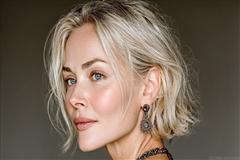
Avoiding these common makeup mistakes can instantly refresh your appearance and help you achieve a more natural, youthful look. The key principles are simple: use lightweight products strategically, embrace soft blending over harsh lines, prioritize skin prep, and keep your techniques current.
Remember that makeup should enhance your natural beauty, not mask it. By moving away from heavy, outdated application methods and embracing lighter, more strategic techniques, you can create a fresh, ageless look that makes you feel confident and beautiful.
The most important step is being willing to update your routine. Let go of techniques and products that no longer serve you, experiment with new approaches, and focus on what makes you feel most like yourself. Makeup is a tool for self-expression and enhancement—use it to celebrate your features, not hide them.
Start by implementing one or two changes from this guide, then gradually incorporate more as you become comfortable. Small adjustments can make a significant difference in how fresh and youthful your makeup looks. Your face will thank you, and you'll love the natural, polished results.