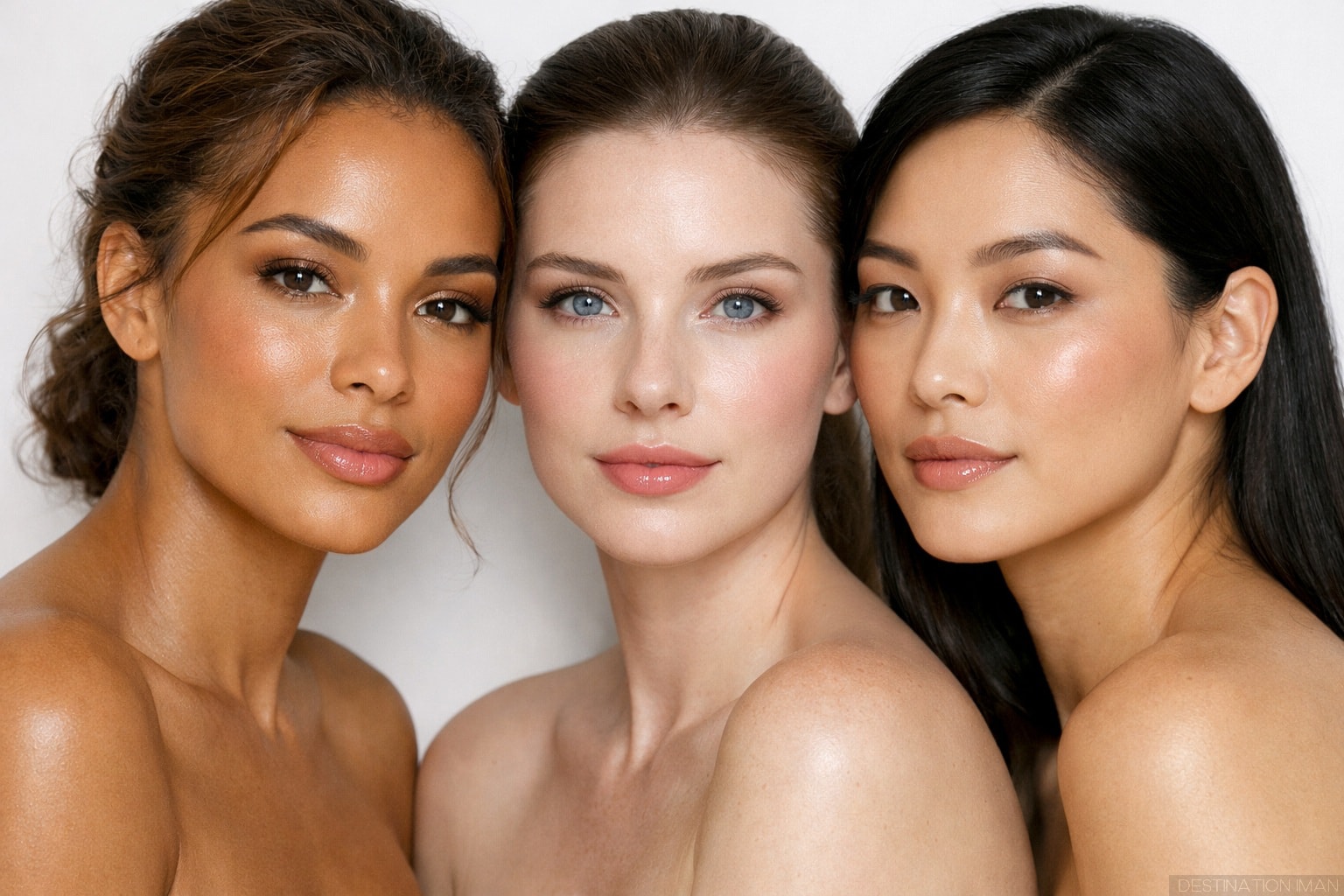
Understanding your skin undertone is one of the most important steps in choosing makeup, clothing colors, and even jewelry. While your surface skin tone can change due to sun exposure or skincare, your undertone remains consistent throughout your life.
This comprehensive guide explains how to identify your undertone at home using simple, reliable methods that beauty professionals use every day.
Key Takeaways
- Undertone remains constant, unlike surface tone which can change with sun exposure
- Three main categories exist: warm (yellow/golden), cool (pink/blue), and neutral (balanced mix)
- Use multiple tests together for the most accurate results
- Knowing your undertone helps you choose flattering makeup, clothing, and jewelry
- All tests should be performed in natural daylight for accuracy
In This Article
What Is a Skin Undertone?
Your undertone is the subtle hue beneath the surface of your skin that influences how colors look against your complexion. Unlike your skin tone, which can change with tanning or sun exposure, your undertone is permanent and genetically determined.
Undertones generally fall into three main categories:
- Warm undertones often have yellow, golden, peachy, or olive hints beneath the skin surface
- Cool undertones appear pink, red, or bluish, giving the skin a rosy or porcelain quality
- Neutral undertones are a balanced mix of both warm and cool, making it harder to categorize
Undertone is different from skin tone. Your skin tone refers to the surface color (light, medium, dark), while undertone is the color underneath. Two people can have the same skin tone but completely different undertones.
The Vein Test
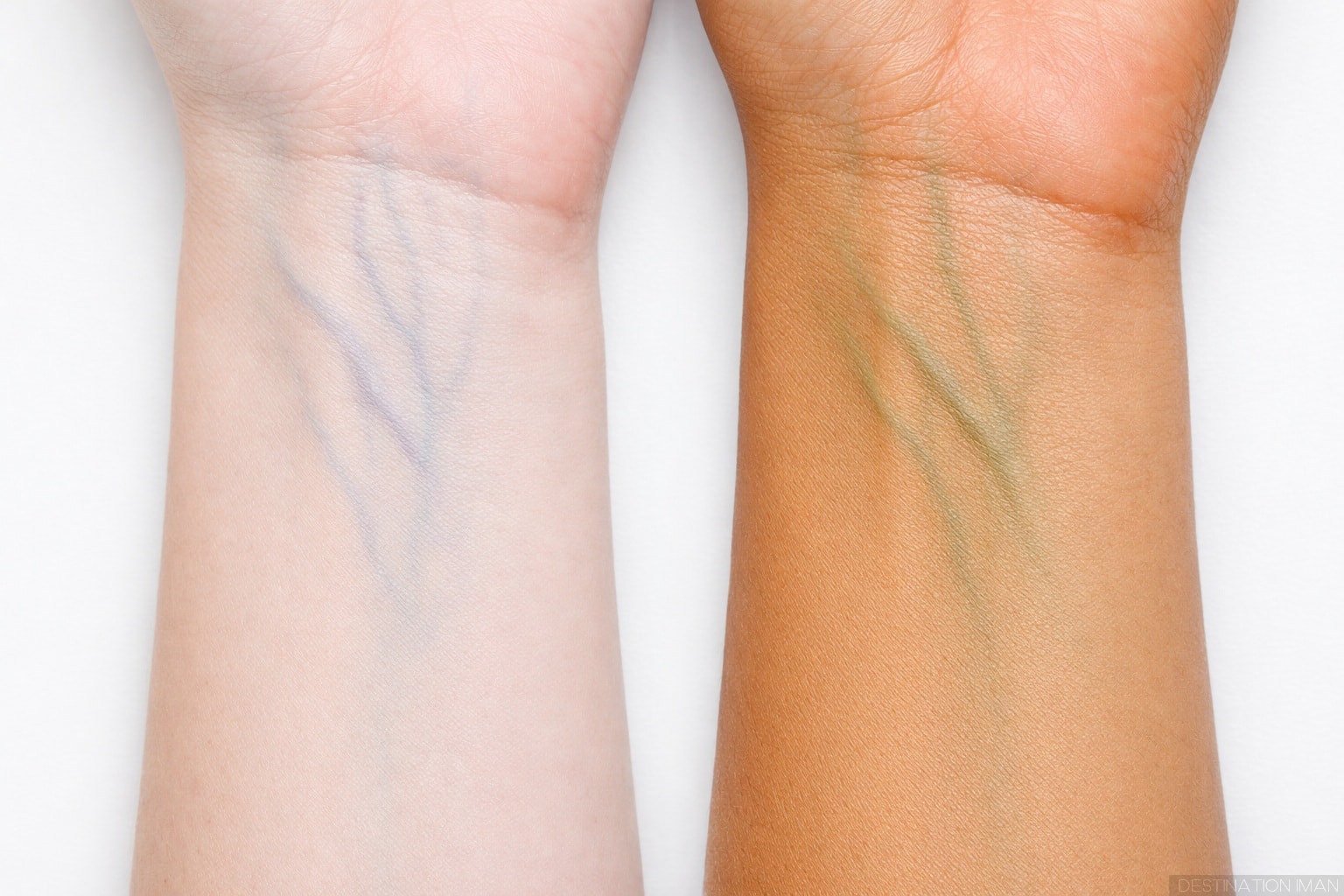
One of the easiest and most reliable ways to determine your undertone is by examining the veins on your inner wrist in natural daylight. This test works because the color of your blood vessels visible through your skin reveals the undertone beneath.
How to Perform the Vein Test:
- Find a spot with natural daylight (avoid artificial lighting which can distort colors)
- Look at the inside of your wrist where veins are most visible
- Observe the color of your veins without makeup or tanner on your skin
- Note whether they appear more blue/purple or green/olive
Interpreting the Results:
- Blue or purple veins: This indicates cool undertones. The pink and red tones in your skin make the blue blood vessels appear more blue or purple.
- Green or olive veins: This suggests warm undertones. The yellow and golden tones in your skin mix with the blue of your veins to create a greenish appearance.
- Can't tell or see both colors: You likely have neutral undertones, which means your skin has a balanced mix of warm and cool pigments.
If you have darker skin, veins may be harder to see. Try looking at the area where your wrist meets your hand, or check the inside of your elbow where skin is typically thinner and veins are more visible.
The Jewelry Test
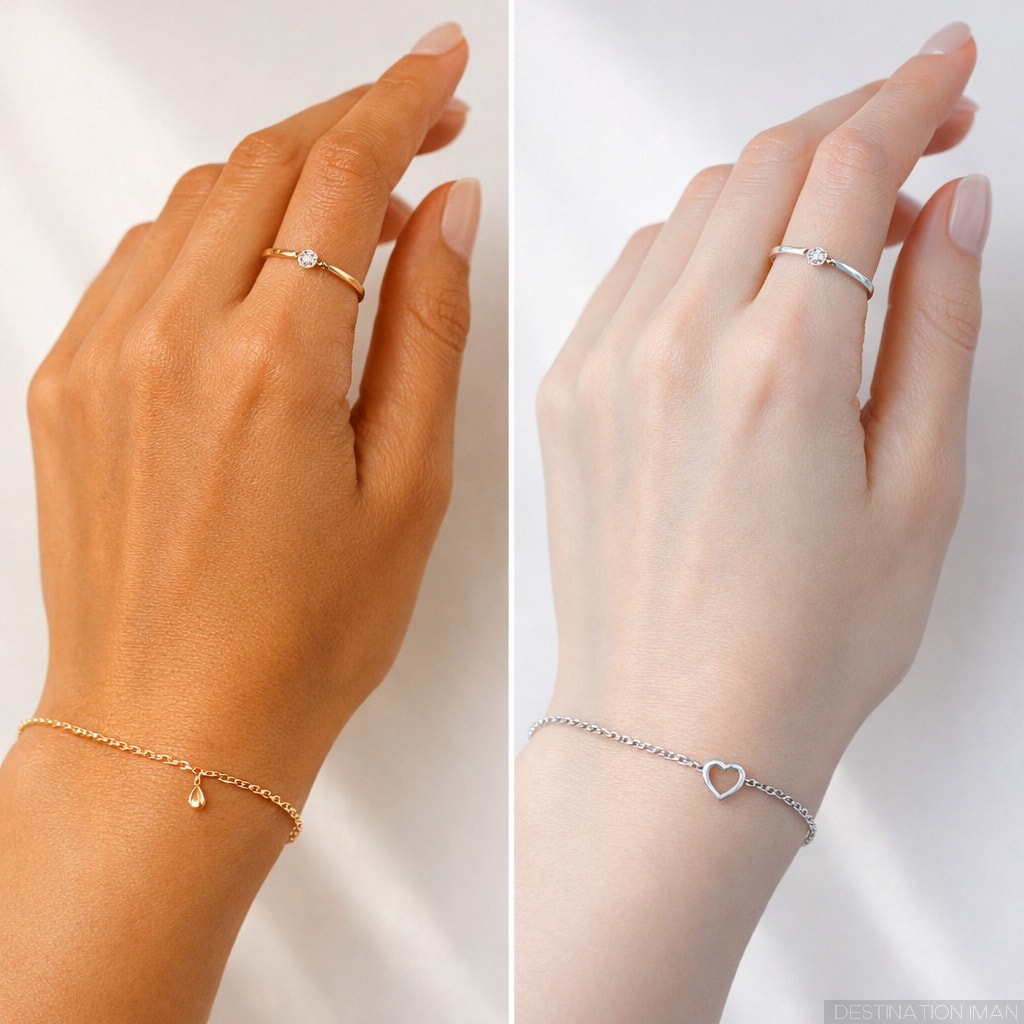
Another effective method is observing whether gold or silver jewelry looks more harmonious against your skin. This test works because certain metals naturally complement specific undertones.
How to Perform the Jewelry Test:
- Gather both gold and silver jewelry pieces (bracelets, rings, or necklaces work best)
- Stand in front of a mirror in natural light
- Hold or wear each piece against your bare skin
- Observe which metal makes your skin look brighter, healthier, and more radiant
- Notice which metal seems to blend seamlessly with your complexion
What the Results Mean:
Gold looks better: If gold jewelry enhances your complexion and makes your skin glow, you likely have warm undertones. The yellow tones in gold harmonize with the golden and peachy hues in warm-toned skin.
Silver looks better: If silver is more flattering and makes your skin appear brighter, your undertone is probably cool. The cooler tone of silver complements the pink and blue undertones in your skin.
Both work equally well: If you genuinely can't decide and both metals look good on you, you most likely have neutral undertones. This is actually an advantage because you can wear any metal with confidence.
Don't base your decision on which metal you personally prefer or which matches your outfit. Focus solely on which one makes your skin look healthiest and most radiant.
The White Fabric Test
This test uses the contrast between pure white fabric and your skin to reveal your undertone. It's particularly effective because pure white is neutral and doesn't influence the result.
Step-by-Step Instructions:
- Remove all makeup from your face and neck
- Find a piece of pure white fabric (a white T-shirt, pillowcase, or towel works well)
- Stand in front of a mirror in natural daylight
- Hold the white fabric directly under your chin against your neck
- Observe how your skin reacts to the white color
Reading the Results:
If your skin appears more yellow, golden, or peachy against the white fabric, you likely have warm undertones. Your skin might look vibrant and glowing next to the white.
If your skin looks pink, rosy, or slightly blue in comparison to the white, you probably have cool undertones. The white may make these pink tones more noticeable.
If your skin appears neither particularly yellow nor pink, and instead looks naturally harmonious with the white, you likely have neutral undertones.
Try this test with both pure white and off-white (cream or ivory) fabric. Warm undertones typically look better in off-white, while cool undertones look better in pure white.
The Sun Reaction Test
How your skin reacts to sun exposure can also indicate your undertone. This method considers your skin's natural response to UV radiation.
Warm Undertones Typically:
- Tan easily and rarely burn
- Develop a golden or bronze tan
- Have skin that looks luminous with some sun exposure
Cool Undertones Typically:
- Burn more easily before tanning
- May develop a pink or red tone when sunburned
- If they do tan, it's more of an ashy or subtle tan
Neutral Undertones:
- May burn initially but then develop a moderate tan
- Tan appears balanced, neither too golden nor too ashy
This test is not about encouraging sun exposure (always wear SPF!), but about observing how your skin historically responded to the sun. Never intentionally expose unprotected skin to determine your undertone.
The Eye Color Test
Your natural eye color can provide additional clues about your undertone, as genetics often coordinate skin undertones with eye colors.
Eye Colors and Undertones:
Warm undertones often have eyes with golden, honey, amber, hazel with golden flecks, or warm brown shades. Green eyes with golden or brown flecks also suggest warmth.
Cool undertones frequently have eyes that are icy blue, steel grey, deep brown without golden flecks, or violet-toned. Cool-toned hazel eyes typically have more grey or blue elements.
Neutral undertones may have eyes that don't fit neatly into warm or cool categories, or have eyes with a mix of warm and cool tones.
The eye color test is supplementary and should be used alongside other tests for confirmation. Eye color alone is not definitive, but it can support findings from the vein or jewelry tests.
Why Undertones Matter in Makeup
Choosing foundation, concealer, and blush based on your undertone is crucial for achieving a natural, seamless look. When makeup matches your undertone, it blends invisibly into your skin and enhances your natural beauty.
Foundation Matching:
Foundation with the wrong undertone can make your face look disconnected from your neck, appear ashy or grey, or create an unnatural orange or pink cast. When selecting foundation:
- Warm undertones should look for foundations labeled as "warm," "golden," "yellow," or "peachy"
- Cool undertones need foundations marked as "cool," "pink," "rosy," or "neutral-cool"
- Neutral undertones can often wear "neutral," "beige," or foundations that balance warm and cool tones
Professional makeup artists always test foundation on the jawline, not the wrist or hand. The jawline provides the most accurate color match and allows you to see how the foundation blends between your face and neck in natural light.
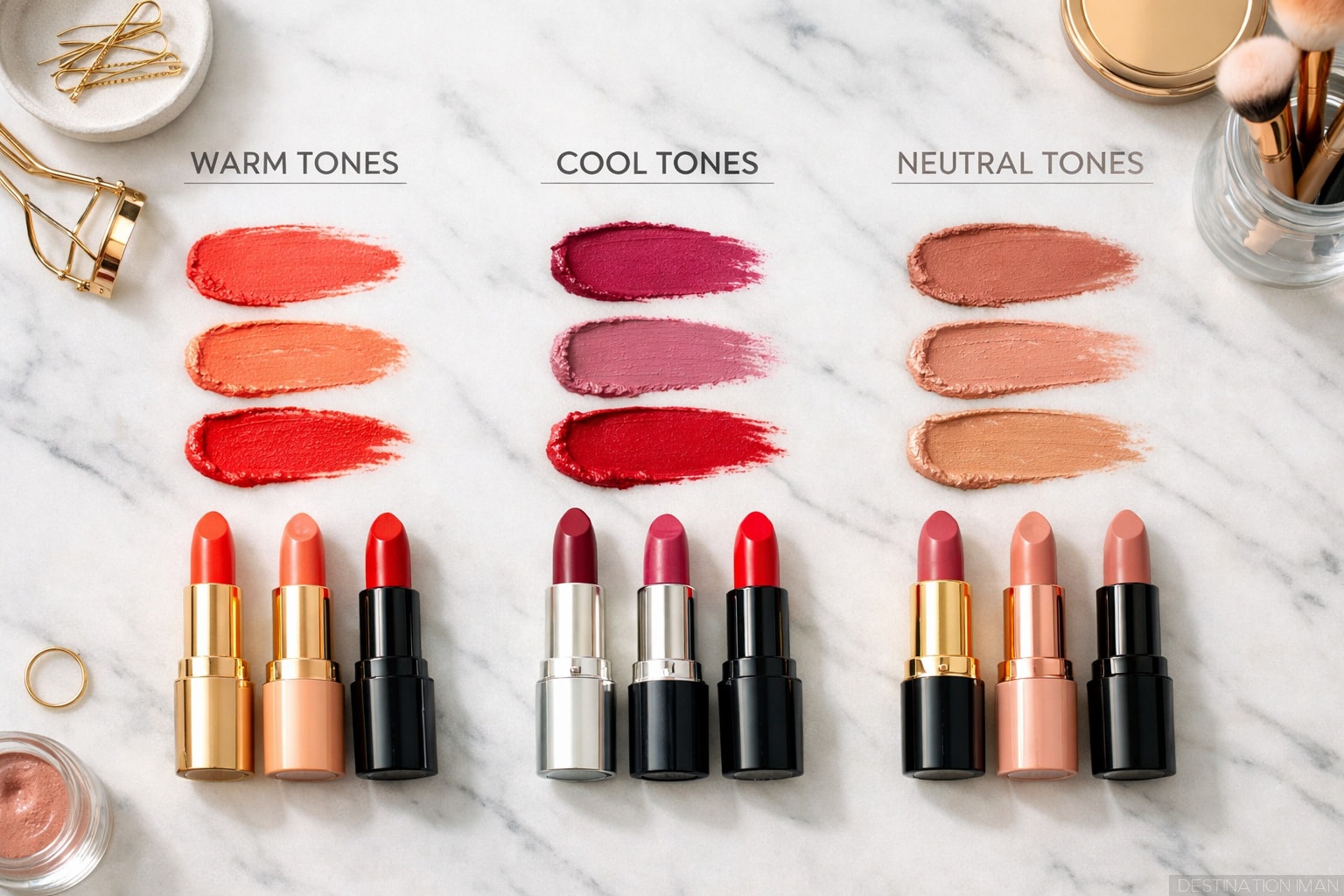
Blush and Lip Colors:
Your undertone also affects which blush and lipstick shades are most flattering:
- Warm undertones: Peach, coral, warm pink, brick red, and orange-based shades enhance your natural warmth
- Cool undertones: Berry, mauve, cool pink, blue-red, and wine shades complement your cool tones
- Neutral undertones: Most shades work, but dusty rose, nude-pink, and balanced reds are universally flattering
Best Colors for Each Undertone
Understanding your undertone extends beyond makeup into your wardrobe choices. Certain clothing colors naturally enhance your complexion while others can wash you out.
Warm Undertones Look Best In:
- Earth tones: camel, brown, tan, olive green, warm khaki
- Warm jewel tones: amber, coral, golden yellow, rust, burnt orange
- Rich warm colors: tomato red, peach, warm burgundy
- Neutrals: cream, ivory, warm grey, beige
Cool Undertones Look Best In:
- Jewel tones: emerald, sapphire, amethyst, ruby
- Cool colors: navy, royal blue, purple, magenta, cool pink
- Icy pastels: lavender, baby blue, mint green
- True colors: pure white, black, true red, grey
Neutral Undertones Have More Flexibility:
Lucky neutral undertones can wear almost any color successfully. However, these colors are universally flattering:
- Dusty pink and dusty blue
- Jade green and teal
- Soft white and light grey
- Muted jewel tones
When shopping, hold clothing up to your face in natural light. Colors that make your skin look radiant and your eyes brighter are good choices. Colors that make you look washed out or sallow should be avoided, even if you love them.
Common Mistakes to Avoid
Many people incorrectly identify their undertone due to these common errors:
Self-Assessment Checklist
- Perform all tests in natural daylight, never artificial lighting
- Remove all makeup before testing to see your true skin tone
- Don't rely on just one test—use multiple methods for confirmation
- Test foundation on your jawline, not your hand or wrist
- Consider how your skin looks after the tan fades, not while tanned
- Look at veins where they're most visible, not where skin is thickest
Mistake #1: Testing in Artificial Light
Artificial lighting, whether warm yellow bulbs or cool fluorescent lights, distorts colors significantly. Always perform undertone tests in natural daylight for accurate results. Stand near a window during daytime for the best lighting conditions.
Mistake #2: Confusing Skin Tone with Undertone
Many people think they're cool-toned simply because they have fair skin, or warm-toned because they have darker skin. Undertone is independent of how light or dark your skin is. People of all skin tones can have warm, cool, or neutral undertones.
Mistake #3: Relying Solely on One Test
For the most accurate identification, use at least three different tests. If most tests point to the same undertone, you can be confident in that result. If results are mixed, you likely have neutral undertones.
Mistake #4: Forgetting About Neutral Undertones
Many people try to force themselves into warm or cool categories when they're actually neutral. If you genuinely can't decide after multiple tests, embrace being neutral—it means you have more versatility in your color choices.
Celebrity makeup artist Lisa Jauregui emphasizes that "one of the best and easiest ways to identify which undertone you are is to look at the veins in your wrist in natural light." This simple method remains the gold standard used by professionals worldwide.
Can Undertones Change Over Time?
Your undertone is genetically determined and does not change throughout your life. However, your surface skin tone can vary significantly due to:
- Sun exposure and tanning
- Seasonal changes (paler in winter, darker in summer)
- Skincare products and treatments
- Health conditions or medications
- Hormonal changes
This is precisely why understanding your undertone is so valuable. While your surface color shifts, your undertone remains constant, providing a reliable foundation for makeup and style choices year-round.
Final Takeaways
- Use multiple tests (vein, jewelry, white fabric) for the most accurate results
- Always perform tests in natural daylight without makeup
- Undertone is permanent, unlike surface skin tone which can change
- Understanding your undertone dramatically improves makeup matching
- Neutral undertones offer the most flexibility in color choices
- When in doubt between two undertones, you're likely neutral
Conclusion
Finding your skin undertone at home is straightforward when you use the right methods. By combining the vein test, jewelry test, and white fabric test in natural daylight, you can confidently identify whether you have warm, cool, or neutral undertones.
This knowledge transforms your approach to makeup shopping, wardrobe building, and even jewelry selection. Instead of guessing which foundation shade might work or why certain colors never seem flattering, you'll have a reliable framework for making choices that enhance your natural beauty.
Remember that if you struggle to categorize yourself definitively as warm or cool after multiple tests, you very likely have neutral undertones—and that's a blessing. Neutral undertones provide the most versatility, allowing you to pull off a wider range of colors and styles with confidence.