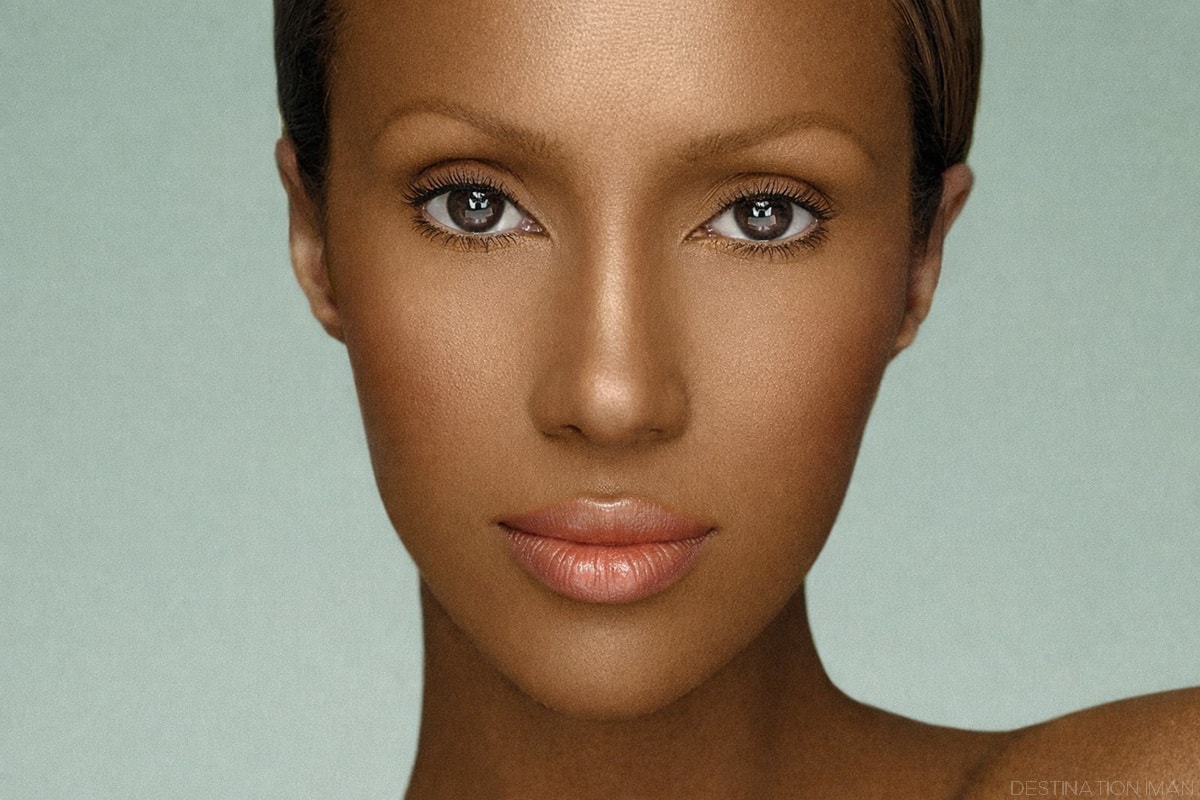
In 1994, when Iman Cosmetics launched, the average drugstore foundation range included 6-10 shades—with only 1-2 options for deeper skin tones. Women of color faced a stark choice: mix multiple foundations to approximate their shade, settle for mismatched coverage, or skip foundation entirely. Iman Cosmetics didn't simply add more shades to existing formulas. The brand rebuilt cosmetics from the ground up, introducing technical innovations that proved inclusive beauty could succeed commercially while fundamentally reshaping industry standards.
Key Impact
- 1994: Iman Cosmetics launched with 5 foundation ranges, 14 shades—more options for deeper skin than most brands' entire collections
- First to market: Undertone-specific formulation (red/yellow/neutral) for deeper skin tones
- Commercial validation: $25 million in sales within 5 years proved inclusive beauty was profitable mainstream market
- Technical innovation: Reformulated pigment chemistry specifically for deeper skin—not just darkened lighter formulas
- Lasting legacy: When Fenty Beauty launched in 2017, Rihanna explicitly credited Iman for "paving the way"
The Beauty Industry Before Iman Cosmetics
Prior to the mid-1990s, the mainstream cosmetics market operated on a fundamental assumption: products designed for lighter skin tones could simply be darkened for deeper complexions. This approach failed technically and commercially. Foundations formulated for fair skin and then darkened with additional pigment produced ashy, gray undertones on deeper skin. The chemistry didn't translate—iron oxides and pigment ratios that worked for lighter shades created dull, lifeless finishes when concentrations increased.
Before Iman (Pre-1994):
- Average drugstore brand: 6-10 total shades
- Options for deep skin: 1-2 shades (often mismatched)
- Formula approach: Lighten/darken one base
- Undertone options: None—one shade per depth
- Result: Ashy, gray cast on deeper skin
After Iman (1994 onwards):
- Iman Cosmetics launch: 5 ranges, 14 shades
- Deep skin options: 8-10 dedicated shades
- Formula approach: Reformulated for each depth
- Undertone system: Red/Yellow/Neutral categories
- Result: True color match without mixing
For makeup professionals working with diverse clients, this meant improvisation became standard practice. Backstage at fashion shows and photo shoots, artists mixed two, three, or four different foundations to create appropriate shades and undertones. For everyday consumers without professional training or access to multiple products, the situation was worse—they either compromised with mismatched shades or avoided foundation altogether.
Born From Personal Frustration
Iman's path to cosmetics entrepreneurship began with years of professional frustration. As a working model throughout the 1970s and 1980s, she spent hours in makeup chairs while artists mixed multiple foundations attempting to match her skin tone.
"I would arrive two hours early to every shoot just for foundation matching. Makeup artists would mix three, four, sometimes five different shades. It was exhausting, time-consuming, and the results were unpredictable."
— Iman, Essence Magazine, 1994
This backstage mixing became more than professional inconvenience—it revealed a fundamental market failure. If one of the world's most photographed women couldn't find foundation that matched her skin, what options existed for everyday consumers? The answer was obvious: virtually none. This realization, combined with Iman's business acumen developed through years in the fashion industry, led to the 1994 launch of Iman Cosmetics.
The brand's founding principle was straightforward but revolutionary: every woman deserves to find her shade without mixing, matching, or settling. This wasn't altruism—it was recognition of massive unmet demand. Market research confirmed what Iman experienced personally: millions of women wanted cosmetics that worked for their skin tones and undertones without requiring professional-level mixing skills or product compromises.
What Made the Iman Makeup Line Different
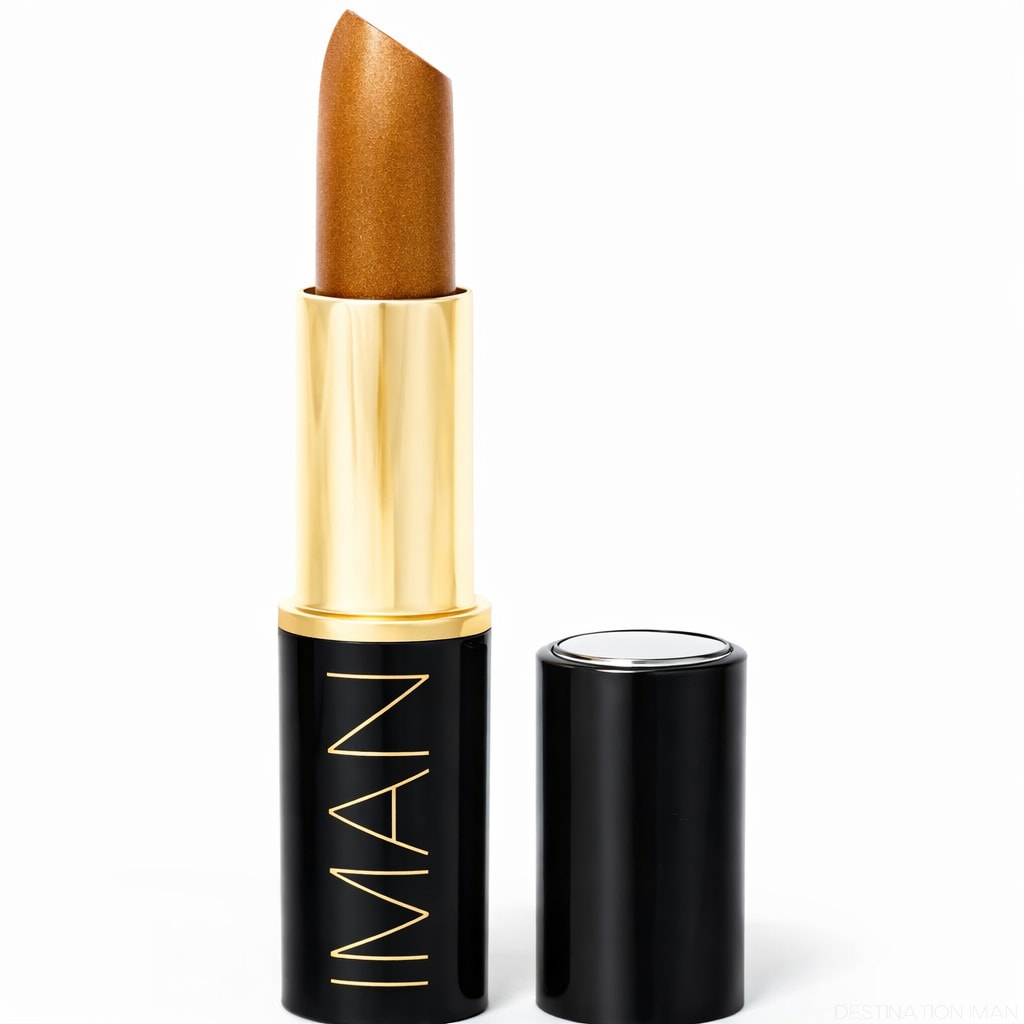
Iman Cosmetics launched with five foundation ranges spanning 14 shades—more options for deeper skin tones than most major brands offered in their entire collections. But shade range alone didn't explain the brand's impact. The defining difference was formulation philosophy: products were developed with deeper skin tones as the starting point rather than an adaptation of formulas designed for lighter complexions.
This approach required rethinking basic cosmetic chemistry. Foundations for deeper skin needed different pigment loads, altered ratios of iron oxides, and modified base formulas to deliver true color payoff without the ashy, gray cast that plagued products simply darkened from lighter formulations. Iman Cosmetics invested in research and testing specifically for this demographic rather than extrapolating from existing product lines.
When brands darkened lighter foundation formulas, they increased iron oxide concentrations proportionally. This created chemical imbalances—too much of certain oxides produced gray, ashy undertones. Iman reformulated the entire base, adjusting not just pigment amount but pigment type and ratio for each shade depth.
The results were immediately visible:
- Foundations matched actual undertones rather than approximating through shade darkness alone
- Powders avoided the chalky, ashy finish caused by incorrect pigment concentrations
- Lip colors delivered true pigment payoff on darker complexions rather than appearing washed out or requiring multiple applications
- Blushes and bronzers registered on deeper skin without looking muddy or disappearing entirely
The Technical Innovation: Undertone-Specific Formulation
Iman Cosmetics introduced undertone-specific categorization before it became standard industry practice. The brand's foundation system sorted shades by undertone—red, yellow, and neutral—allowing women to select based on their skin's actual characteristics rather than guessing which "medium brown" might work.
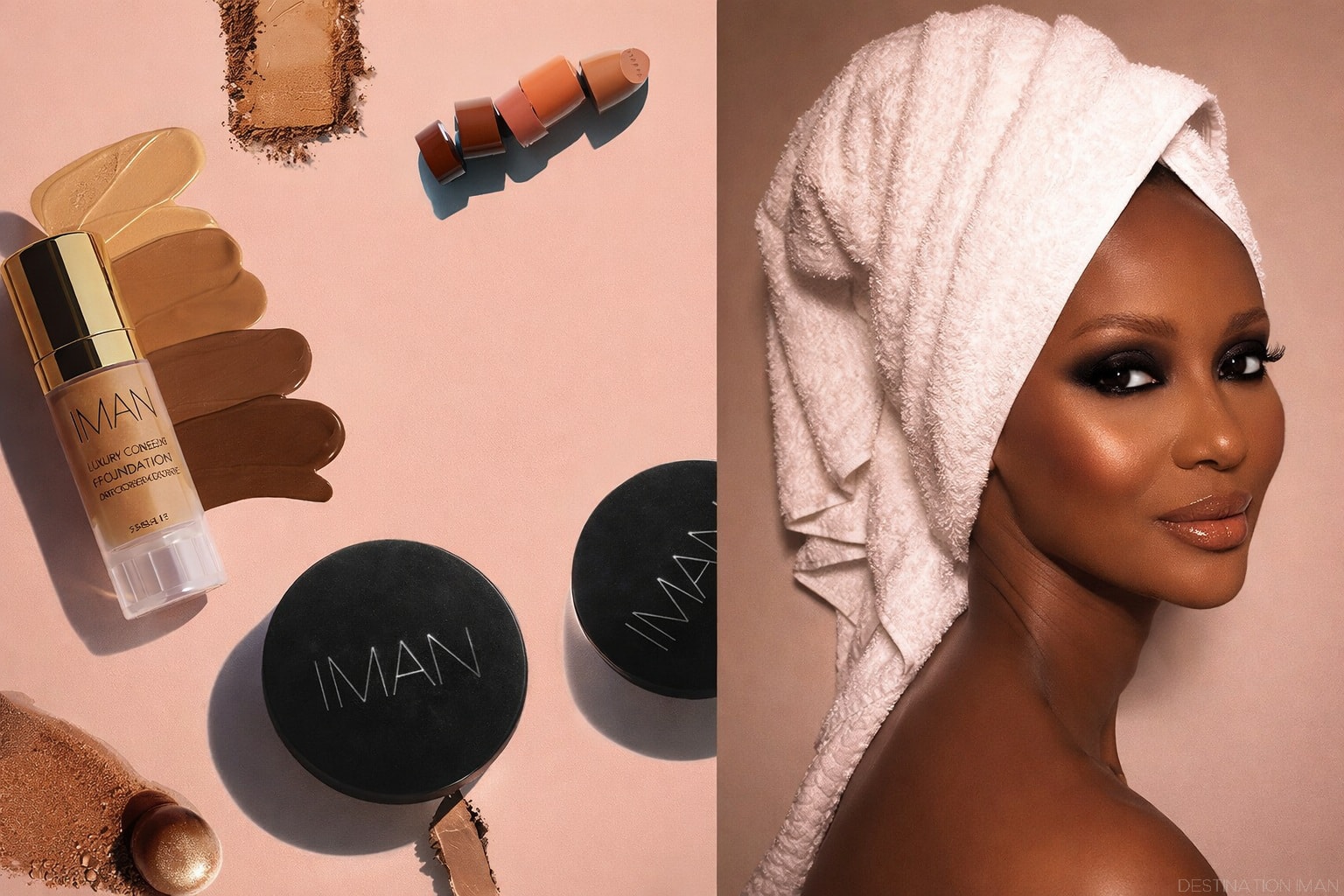
This undertone framework acknowledged what makeup artists understood intuitively but cosmetic companies had largely ignored: skin tone and undertone are separate variables. Two women might both wear "deep" foundation, but one requires warm golden undertones while the other needs cool red undertones. Without addressing both variables, shade matching remains imprecise regardless of range size.
Creating red-undertone foundations in deeper shades required balancing specific iron oxide ratios that wouldn't turn orange or muddy. Yellow-undertone formulas needed different pigment combinations to avoid appearing green or sallow. Each undertone category required distinct base chemistry—multiple formulas, not variations on one universal base.
This approach was more expensive and complex than traditional shade extension. Major brands could darken existing formulas relatively cheaply. Iman's method required developing multiple distinct foundation systems. The investment paid off in product performance—foundations that actually matched skin produced immediate, visible results that simpler shade extensions couldn't replicate.
Representation Beyond Product Shades
Iman Cosmetics extended intentionality beyond formulation into marketing and representation. The brand consistently featured models who reflected its consumer base—women of color across a spectrum of skin tones, not token diversity in campaigns primarily featuring lighter complexions. This representation wasn't incidental; it was strategic brand positioning.
Beauty advertising in the 1990s rarely showed darker skin tones prominently. When women of color appeared in cosmetics campaigns, they typically represented one or two shades in broader ranges designed for lighter complexions. Iman inverted this model—campaigns centered deeper skin tones, with lighter shades as extensions rather than the primary focus.
This visual strategy communicated product authenticity. Consumers seeing models who looked like them using products designed for their specific needs understood immediately that this brand recognized them as primary customers rather than afterthoughts. The representation built trust that formulation quality reinforced through performance.
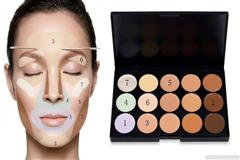
Commercial Success That Reshaped Industry Assumptions
Within its first five years, Iman Cosmetics reached $25 million in annual sales—substantial for a new beauty brand, particularly one addressing what the industry had considered a specialty segment. This financial performance delivered a message the beauty industry couldn't ignore: there was significant profit potential in properly serving diverse consumers.
This figure proved inclusive beauty wasn't a "niche market"—it was an underserved majority. Major brands had assumed limited demand didn't justify formulation costs. Iman's sales demonstrated they'd miscalculated market size by millions of potential customers.
The success contradicted prevailing industry wisdom in multiple ways. Major cosmetics companies had long assumed that expanding shade ranges wasn't cost-effective—the additional formulation, production, and inventory costs supposedly outweighed revenue from the limited market. Iman Cosmetics proved this calculus wrong by demonstrating that the market wasn't limited at all.
Following Iman's commercial validation, the pace of industry change accelerated. Through the late 1990s and early 2000s, major brands began expanding their shade ranges and launching dedicated lines for diverse skin tones. While progress remained uneven, the trajectory shifted noticeably—what had been virtually ignored became at least acknowledged as a market opportunity worth addressing.
The Legacy: 1994 to 2024
30 Years of Industry Evolution:
1994: Iman Cosmetics launches with 14 shades across 5 ranges
1999: Iman reaches $25 million in annual sales
Early 2000s: Major brands begin expanding shade ranges (10-15 shades becoming standard)
2010s: Undertone categorization becomes industry practice
2017: Fenty Beauty launches with 40 shades—Rihanna credits Iman as inspiration
2024: Leading brands offer 40-60+ shades; MAC Pro has 60+ foundation options
The landscape Iman Cosmetics helped create became visible decades later when Fenty Beauty launched in 2017 with 40 foundation shades. Rihanna explicitly cited Iman as inspiration, stating in multiple interviews that Iman "paved the way for what we see as normal today." This acknowledgment connected two pivotal moments in inclusive beauty—Iman's pioneering work in 1994 and Fenty's mainstream breakthrough in 2017.
"She paved the way for what we see as normal today."
— Rihanna on Iman, referencing Fenty Beauty's 40-shade launch, 2017
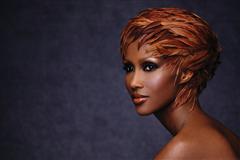
Between these milestones, industry standards evolved substantially. By the mid-2010s, major brands routinely offered 20-30 foundation shades rather than the 6-10 that was standard in 1994. Undertone-specific categorization—Iman's innovation—became common practice. Marketing campaigns featured diverse models as standard rather than exception.
Challenges and Evolution
Iman Cosmetics' distribution and market presence evolved significantly over its three decades. The brand experienced periods of reduced retail availability, particularly as the beauty industry consolidated and mass-market shelf space became increasingly competitive. Major retailers periodically adjusted their beauty offerings, and maintaining consistent distribution proved challenging for brands without the resources of cosmetics giants.
These distribution challenges highlighted a reality of the beauty industry: market influence and ongoing commercial success don't always align perfectly. While Iman Cosmetics fundamentally shaped how the industry approaches inclusive beauty, maintaining the same level of retail prominence over decades proved difficult in an increasingly consolidated market dominated by massive corporations.
Despite these challenges, Iman's influence remained massive. The technical innovations, market validation, and shifted industry standards continued shaping beauty evolution—even as the brand's own retail footprint fluctuated. Impact and continuous market dominance aren't the same measure.
Why the Legacy Still Matters
Twenty-eight years after its launch, Iman Cosmetics remains a crucial reference point in beauty industry history. The brand altered fundamental assumptions about who cosmetics should serve, how products should be formulated, and what commercial success in inclusive beauty looks like.
When new brands launch with expansive shade ranges and undertone-specific formulation, they're implementing principles Iman established in 1994. When established brands expand offerings and reformulate existing products to serve diverse skin tones better, they're responding to market expectations Iman helped create. When consumers expect to find their shade without compromise, mixing, or settling, they're expressing standards of normalcy that Iman Cosmetics worked to establish.
Iman's Lasting Impact on Beauty:
- Technical standard: Undertone-specific formulation now industry norm
- Shade expectations: 40-60 shades considered baseline for inclusive brands
- Market validation: Proved diverse beauty = profitable mainstream market
- Representation shift: Diverse casting in beauty campaigns now expected
- Consumer expectation: Finding your exact shade without compromise is now standard
Conclusion
Iman Cosmetics changed the beauty industry by proving that inclusive beauty wasn't a niche market—it was an underserved majority waiting for products designed with their needs as priority rather than afterthought. The brand's technical innovations in undertone-specific formulation, commitment to authentic representation, and strategic mass-market positioning demonstrated that diversity-driven product development was both morally correct and financially sound.
The $25 million in sales Iman Cosmetics achieved within five years represented more than revenue—it provided proof of concept that reshaped industry assumptions and encouraged broader change. When Rihanna launched Fenty Beauty in 2017 with explicit acknowledgment of Iman's pioneering work, she was walking a path that Iman paved in 1994.
The expansive shade ranges, undertone categorization, and inclusive marketing that characterize modern beauty standards emerged from groundwork Iman Cosmetics established three decades ago. The brand's legacy isn't simply historical—it's present in every foundation range that spans 40+ shades, every undertone-specific formulation, and every beauty campaign that centers diverse representation. Iman Cosmetics demonstrated that inclusive beauty could succeed commercially while fundamentally improving how an entire industry serves its consumers.