
Starting a skincare routine can feel overwhelming. With countless products, ingredients, and contradictory advice online, many beginners struggle to know where to begin or what products actually matter.
This comprehensive guide explains a simple, effective skincare routine for beginners, focusing on essential steps rather than overwhelming trends. By the end, you'll understand exactly what your skin needs and how to build a routine that works.
Key Takeaways
- A basic routine needs only three essentials: cleanser, moisturizer, and sunscreen
- Consistency matters more than having numerous products
- Introduce new products gradually to avoid irritation
- All skin types need moisturizer and sunscreen, including oily skin
- Give products 4-6 weeks to show results before switching
In This Article
Why a Basic Skincare Routine Matters
Healthy skin does not require a complicated ten-step routine with dozens of products. In fact, using too many products too quickly can lead to irritation, breakouts, compromised skin barrier, or increased sensitivity.
A beginner-friendly routine serves several essential purposes:
- Maintains the skin barrier: Your skin's protective barrier keeps moisture in and irritants out. A simple routine supports this function.
- Improves texture and tone: Consistent basic care creates smoother, more even-toned skin over time.
- Prevents long-term damage: Daily sunscreen use prevents premature aging, hyperpigmentation, and skin cancer risk.
- Establishes consistency: A simple routine is easier to maintain, making it more likely you'll stick with it.
Skincare is a marathon, not a sprint. Results from a consistent basic routine typically appear after 4-6 weeks. Patience and consistency yield better results than constantly switching products.
The Core Steps of a Skincare Routine
Every basic skincare routine consists of three essential steps that apply to all skin types, ages, and concerns. These form the foundation of effective skincare:
- Cleansing – Removes dirt, oil, makeup, and environmental pollutants
- Moisturizing – Maintains hydration and supports the skin barrier
- Sun protection – Prevents UV damage, premature aging, and skin cancer
These three steps address the most fundamental needs of healthy skin. Once you've mastered this foundation, you can gradually introduce additional products based on specific concerns.
According to skincare experts, the most common mistake beginners make is starting with too many products. Licensed aesthetician Kim Chang emphasizes: "A simple routine with cleanser, moisturizer, and sunscreen is all most people need to maintain healthy skin."
Step 1: Cleansing
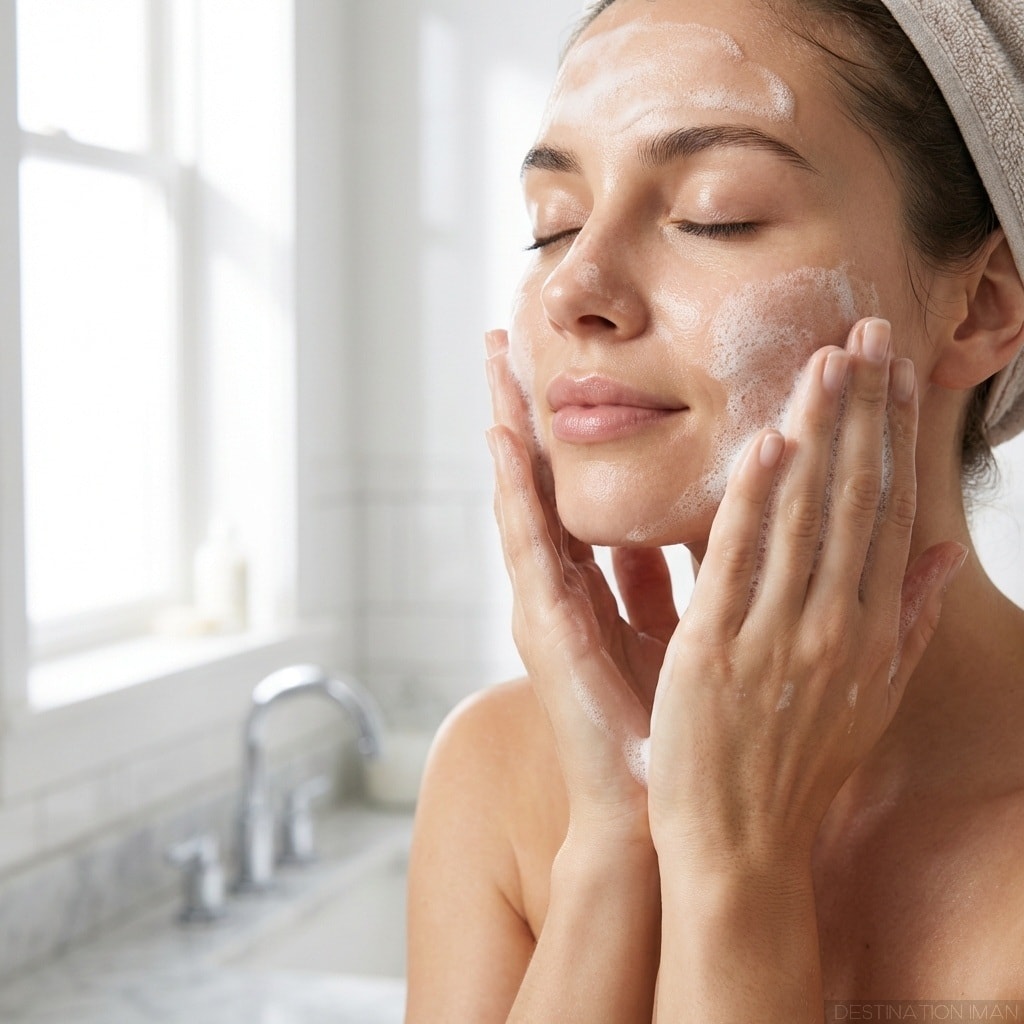
Cleansing removes the dirt, excess oil, makeup, sunscreen, and environmental pollutants that accumulate on your skin throughout the day. Proper cleansing prevents clogged pores, breakouts, and dull-looking skin.
How Often to Cleanse
Most people benefit from cleansing twice daily: once in the morning and once in the evening. However, your specific needs may vary:
- Morning cleansing: Removes oil and sweat that accumulated overnight, preparing skin for moisturizer and sunscreen
- Evening cleansing: Removes makeup, sunscreen, pollution, and the day's buildup
Choosing the Right Cleanser
The best cleanser for you depends on your skin type. Here's how to choose:
For oily or acne-prone skin: Look for gel or foaming cleansers that remove excess oil without over-stripping. Ingredients like salicylic acid can help prevent breakouts.
For dry or sensitive skin: Choose cream or hydrating cleansers that clean without removing natural oils. Avoid foaming cleansers, which can be too harsh.
For combination skin: A gentle gel cleanser usually works well, balancing cleansing power without over-drying.
For normal skin: Most gentle cleansers will work. Choose based on preference (gel, cream, or foam).
Your cleanser should leave your skin feeling clean but not tight, dry, or squeaky. If your skin feels uncomfortably tight after cleansing, your cleanser is too harsh.
How to Cleanse Properly
- Wet your face with lukewarm water (not hot, which can strip natural oils)
- Apply a small amount of cleanser to your fingertips
- Gently massage in circular motions for 30-60 seconds
- Rinse thoroughly with lukewarm water
- Pat (don't rub) your face dry with a clean towel
Step 2: Moisturizing
Moisturizer helps maintain your skin's protective barrier and prevents dehydration. It works by trapping water in the skin and preventing moisture loss throughout the day.
Why Even Oily Skin Needs Moisturizer
A common misconception is that oily skin doesn't need moisturizer. In reality, skipping moisturizer can cause your skin to produce more oil to compensate for dehydration. When skin lacks moisture, it overproduces sebum as a protective response.
All skin types need moisturizer—the key is choosing the right formulation:
- Oily skin: Lightweight, oil-free, or gel-based moisturizers
- Dry skin: Rich, cream-based moisturizers with ingredients like hyaluronic acid, ceramides, or shea butter
- Combination skin: Light lotion or gel-cream formulas
- Sensitive skin: Fragrance-free, minimal-ingredient moisturizers
Key Moisturizing Ingredients
Effective moisturizers contain combinations of these ingredient types:
- Humectants (like hyaluronic acid, glycerin) attract water to the skin
- Emollients (like squalane, fatty acids) smooth and soften skin
- Occlusives (like petrolatum, dimethicone) seal in moisture
When to Apply Moisturizer
Apply moisturizer twice daily:
- Morning: After cleansing and before sunscreen
- Evening: After cleansing as your final step
For best absorption, apply moisturizer to slightly damp skin within 2-3 minutes of cleansing. This helps lock in the water on your skin's surface.
Using too much moisturizer doesn't provide extra benefits and can clog pores or cause milia (small white bumps). A pea-sized amount for your entire face is usually sufficient.
Step 3: Sun Protection
Sunscreen is arguably the most important skincare product for preventing premature aging, hyperpigmentation, and reducing skin cancer risk. UV damage is cumulative and occurs even on cloudy days or indoors near windows.
Why Sunscreen is Non-Negotiable
UV radiation from the sun causes:
- Premature wrinkles and fine lines
- Dark spots and uneven skin tone
- Loss of elasticity and firmness
- Increased risk of skin cancer
Using sunscreen daily is the single most effective anti-aging step you can take. Studies show that consistent sunscreen use can prevent and even reverse some signs of photoaging.
Choosing the Right Sunscreen
Look for these characteristics in your sunscreen:
- Broad-spectrum protection: Protects against both UVA (aging) and UVB (burning) rays
- SPF 30 or higher: SPF 30 blocks approximately 97% of UVB rays; higher SPF offers marginally more protection
- Suitable formula for your skin type: Chemical, physical, or hybrid formulas all work—choose based on preference and skin sensitivity
People of all skin tones need sunscreen. While darker skin has more natural protection from melanin, it's still vulnerable to UV damage, skin cancer, and hyperpigmentation.

How to Apply Sunscreen Correctly
Most people don't apply enough sunscreen to get the stated SPF protection. Follow these guidelines:
- Apply sunscreen as the last step of your morning routine
- Use approximately ¼ teaspoon for your face and neck
- Apply 15 minutes before sun exposure
- Reapply every 2 hours when outdoors, or after swimming or sweating

Morning Routine Breakdown
Your morning routine prepares and protects your skin for the day ahead. Here's the step-by-step order:
Step 1: Cleanse
Gently cleanse your face to remove overnight oil and sweat buildup.
Step 2: Moisturize
Apply moisturizer to damp skin to lock in hydration.
Step 3: Apply Sunscreen
Finish with broad-spectrum SPF 30 or higher. Wait a few minutes before applying makeup.
This entire routine should take approximately 5 minutes once you've established the habit.
Evening Routine Breakdown
Your evening routine focuses on cleansing away the day and supporting overnight skin repair:
Step 1: Remove Makeup (if applicable)
Use a makeup remover, cleansing balm, or micellar water to break down makeup and sunscreen.
Step 2: Cleanse
Follow with your regular cleanser to ensure all residue is removed (double cleansing method).
Step 3: Moisturize
Apply moisturizer to support your skin's overnight repair process. You can use a slightly richer formula at night if desired.
If you wear makeup or water-resistant sunscreen, consider double cleansing: first with an oil-based cleanser to break down products, then with your regular cleanser to remove residue. This ensures thoroughly clean skin without harsh scrubbing.
Optional Steps for Later
Once your skin adjusts to the basic three-step routine (give it at least 4-6 weeks), you can gradually introduce additional products based on specific concerns:
Toner
Modern toners are no longer harsh astringents. Hydrating or treatment toners can:
- Add extra hydration
- Balance skin pH
- Prep skin for better product absorption
- Deliver targeted ingredients
Apply toner after cleansing and before moisturizer.
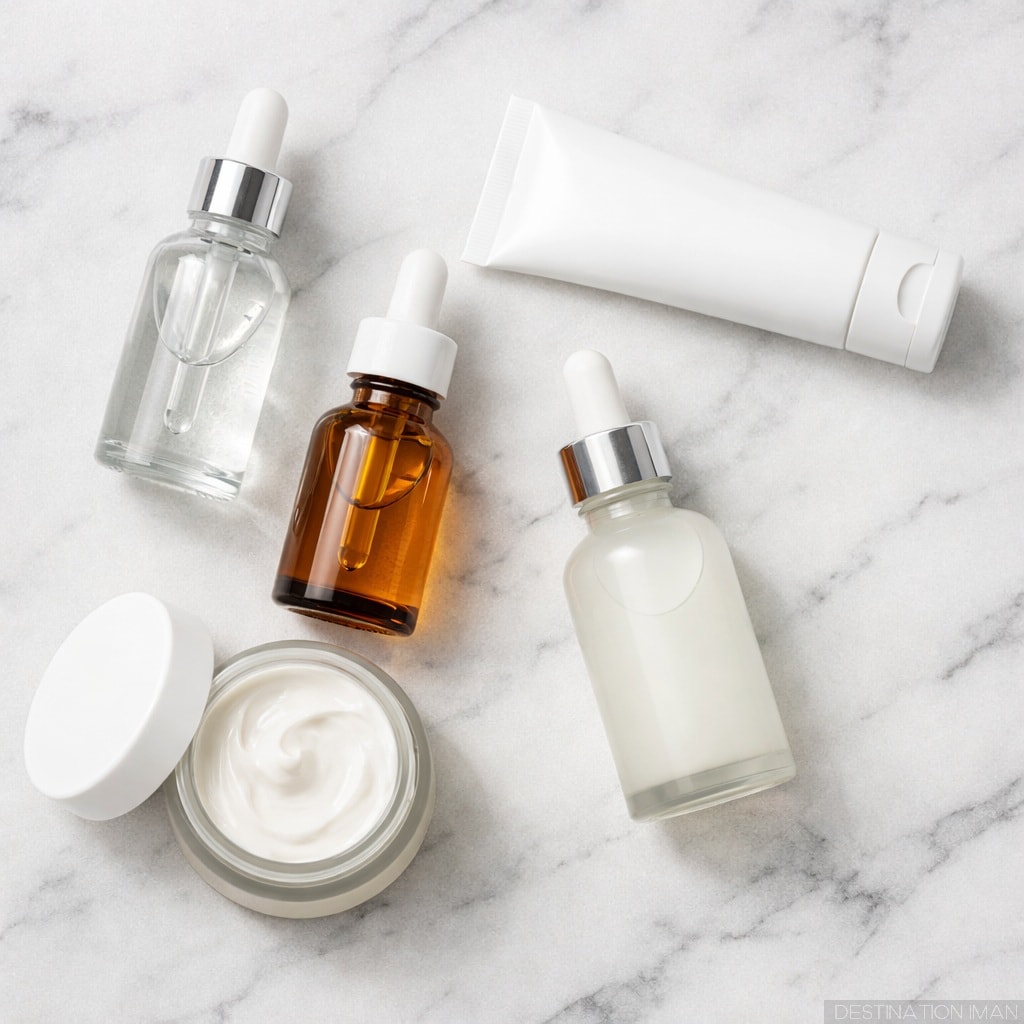
Serums
Serums are concentrated treatments that target specific concerns:
- Vitamin C serums: Brighten skin and provide antioxidant protection (use in morning)
- Hyaluronic acid serums: Boost hydration levels
- Niacinamide serums: Reduce oil production, minimize pores, even skin tone
Apply serums after cleansing/toning but before moisturizer.
Exfoliants
Chemical exfoliants remove dead skin cells, revealing brighter, smoother skin:
- AHAs (like glycolic or lactic acid): For dry skin, aging concerns, and surface texture
- BHAs (like salicylic acid): For oily, acne-prone skin and clogged pores
Start with exfoliating 1-2 times per week in the evening. Never exfoliate more than 2-3 times weekly to avoid over-exfoliation.
Introduce new products one at a time, waiting 2-3 weeks between additions. This allows you to identify which products work for your skin and which might cause problems.

Common Beginner Mistakes
Avoiding these common pitfalls helps you build a more effective routine:
Mistake #1: Using Too Many Products at Once
Starting with five or ten products simultaneously overwhelms your skin and makes it impossible to identify what works or causes problems. Stick to the three basics first, then add gradually.
Mistake #2: Switching Products Too Frequently
Skincare products typically need 4-6 weeks to show results. Switching products every week prevents you from seeing real improvements and can irritate your skin.
L'Oréal Paris skincare experts note that "changing your routine too frequently" is the number one beginner mistake. Skin cell turnover takes approximately 28 days, meaning you need at least a month to evaluate product effectiveness.
Mistake #3: Ignoring Sunscreen
Skipping daily sunscreen is the single biggest skincare mistake. Without sun protection, other skincare efforts are undermined as UV damage continues.
Mistake #4: Over-Exfoliating
Using exfoliants daily or combining multiple exfoliating products damages the skin barrier, causing redness, sensitivity, and increased breakouts. Start with once weekly and increase gradually if needed.
Mistake #5: Using Products in the Wrong Order
The general rule is to apply products from thinnest to thickest consistency. This ensures proper absorption and effectiveness.
Mistake #6: Applying Moisturizer to Completely Dry Skin
Moisturizers work best when applied to slightly damp skin within 2-3 minutes of cleansing. This helps lock in moisture rather than just sitting on top of dry skin.
Mistake #7: Expecting Immediate Results
Skincare is a long-term commitment. While some products provide immediate hydration or radiance, real improvements in skin texture, tone, and concerns take weeks or months of consistent use.
Beginner's Success Checklist
- Start with only three products: cleanser, moisturizer, sunscreen
- Use products consistently for at least 4-6 weeks before evaluating results
- Cleanse gently with lukewarm water, not hot
- Apply moisturizer to damp skin within 2-3 minutes of cleansing
- Wear sunscreen every single morning, regardless of weather
- Introduce new products one at a time with 2-3 weeks between additions
- Patch test new products on your jawline for 24-48 hours before full-face application
- Take progress photos monthly to track improvements
When to Add More Products
You're ready to expand your routine when:
- You've maintained the basic three-step routine consistently for at least 6-8 weeks
- Your skin feels balanced and healthy with your current routine
- You have specific concerns you want to address (like dark spots, fine lines, or acne)
- You understand how your skin reacts to new products
Signs Your Skin Barrier is Healthy
A healthy skin barrier indicates you're ready to introduce treatment products:
- Skin feels comfortable, not tight or dry
- No excessive redness or sensitivity
- Skin doesn't sting when applying products
- Breakouts are minimal or manageable
- Skin maintains hydration throughout the day
When adding new active ingredients like retinol, vitamin C, or chemical exfoliants, start with the lowest concentration and use 1-2 times weekly. Gradually increase frequency as your skin builds tolerance.
Building Your Starter Kit
To begin your skincare journey, you need just three products. Here's what to look for when shopping:
Your First Cleanser
- Gentle formula without harsh sulfates
- Fragrance-free or minimal fragrance
- Appropriate for your skin type (gel, cream, or foam)
- Leaves skin feeling clean but not stripped
Your First Moisturizer
- Contains humectants (like hyaluronic acid or glycerin)
- Appropriate texture for your skin type
- Fragrance-free if you have sensitive skin
- Non-comedogenic if you're acne-prone
Your First Sunscreen
- Broad-spectrum protection
- Minimum SPF 30
- Comfortable texture you'll want to wear daily
- No white cast if you have medium to deep skin

Final Reminders
- Simple, consistent routines are more effective than complex, sporadic ones
- Your skin's needs may change with seasons, age, or environment—stay flexible
- Sunscreen is non-negotiable for all skin tones and types
- Patience and consistency yield better results than product-hopping
- When in doubt, consult a dermatologist for personalized advice
Conclusion
A beginner skincare routine should be simple, consistent, and gentle. By mastering the three essentials—cleansing, moisturizing, and sun protection—you create a strong foundation for long-term skin health.
These three steps address your skin's most fundamental needs: removing impurities, maintaining hydration, and preventing damage. Once you've established this foundation and your skin feels balanced and healthy, you can gradually introduce targeted treatments for specific concerns.
Remember that skincare is personal, and what works for others may not work for you. Pay attention to how your skin responds, give products time to work, and don't be afraid to adjust your routine as needed. With patience and consistency, you'll develop a skincare routine that supports healthy, glowing skin for years to come.
The most important step is simply to start. Choose your three products, commit to using them daily, and give your skin the consistent care it deserves.