Neutral colors form the backbone of timeless, versatile wardrobes. Yet styling neutrals effectively requires more than simply wearing beige or black—it demands understanding color temperature, texture contrast, and proportional balance. When executed well, neutral outfits convey sophistication and intentionality. When done poorly, they appear flat, boring, or washed out.
This comprehensive guide moves beyond generic advice to provide actionable strategies for styling neutral colors. You'll learn the difference between warm and cool neutrals, discover specific outfit formulas that always work, understand how texture creates visual interest, and master the art of neutral dressing for different occasions and seasons.
Key Takeaways
- Neutral colors include black, white, gray, beige, navy, camel, and earth tones with minimal color saturation
- Neutrals fall into warm (cream, camel, tan, brown) or cool (gray, charcoal, navy, pure white) temperature categories
- Successful neutral outfits require at least three different textures to prevent appearing flat
- Monochromatic neutral styling uses variations of the same color family in different tones and textures
- Mixing warm and cool neutrals works when one temperature dominates (70/30 rule)
- Understanding your skin's undertone helps select flattering neutral colors that don't wash you out
In This Article
- What Are Neutral Colors in Fashion?
- Why Neutral Colors Work
- Understanding Neutral Color Temperature
- The Complete Neutral Color Palette Guide
- Formula 1: Monochromatic Neutral Layering
- Formula 2: Neutral Base + Texture Contrast
- Formula 3: Mixing Warm and Cool Neutrals
- Formula 4: Neutral Outfit + One Accent
- How to Add Depth With Texture
- Styling Neutrals for Different Occasions
- Common Neutral Styling Mistakes
- Building a Neutral Capsule Wardrobe
- Seasonal Neutral Styling
What Are Neutral Colors in Fashion?
Neutral colors are hues with low color saturation that work harmoniously with nearly any other color. In fashion, neutrals provide a versatile foundation that allows for endless outfit combinations without visual competition between pieces.
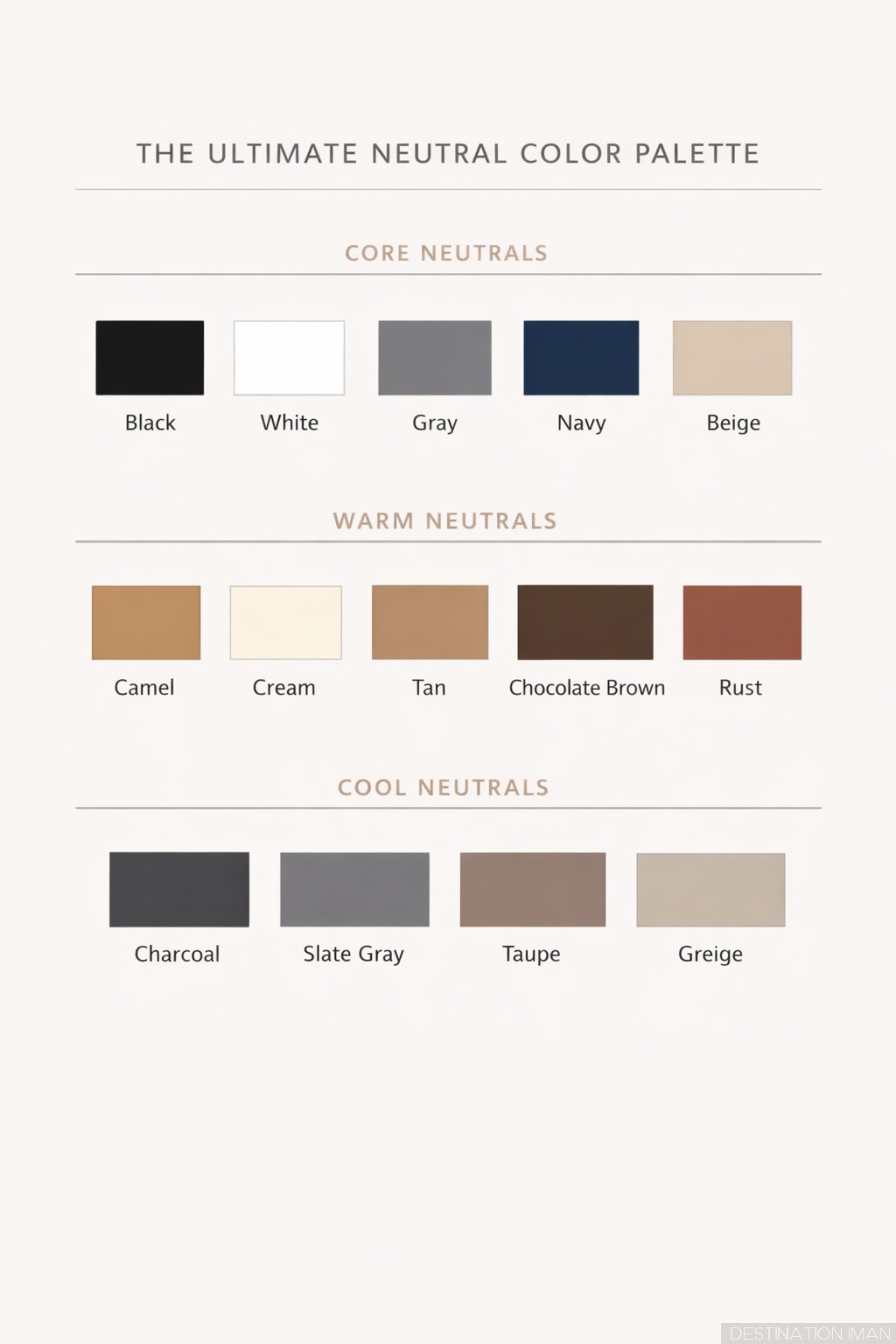
Core Neutral Colors
The essential neutral palette includes:
- Black: The ultimate neutral, works with everything, creates strong contrast
- White: Clean, fresh, reflects light, essential for layering
- Gray: Ranges from pale silver to deep charcoal, highly versatile
- Navy: Professional alternative to black, slightly softer appearance
- Beige: Warm, approachable, flattering on many skin tones
- Camel: Rich, warm neutral with inherent sophistication
- Cream/Ivory: Softer than pure white, warm undertones
- Brown: From tan to chocolate, earthy and grounding
- Taupe: Gray-brown hybrid, works as bridge between temperatures
Extended Neutral Palette
Beyond core neutrals, several muted colors function as neutrals in practical styling:
- Olive: Muted green that coordinates with most neutrals
- Burgundy: Deep enough to act as a neutral in many contexts
- Rust: Warm, earthy tone that pairs beautifully with other neutrals
- Charcoal: Softer than black, easier to wear near the face
Why Neutral Colors Work
Neutral colors offer unique advantages that make them the foundation of functional, stylish wardrobes.
Timeless and Trend-Resistant
Unlike saturated colors that come in and out of fashion, neutrals remain consistently relevant. A camel coat or charcoal blazer purchased five years ago looks just as current today. This longevity makes neutrals excellent investment pieces with lower cost-per-wear over time.
Maximum Versatility
Neutrals coordinate effortlessly with each other and with accent colors. A neutral-based wardrobe offers exponentially more outfit combinations than a colorful one of the same size. Each neutral piece can work with nearly every other item, creating geometric growth in outfit possibilities.
Professional and Polished Appearance
Neutral outfits convey sophistication and intentionality. They photograph beautifully, work across various settings, and allow your presence and accomplishments to take center stage rather than your clothing.
Simplifies Daily Dressing
When your wardrobe consists primarily of coordinating neutrals, getting dressed requires minimal decision-making. You can't create clashing combinations when everything works together harmoniously.
Studies in color psychology show that neutral colors are perceived as more trustworthy and competent in professional settings. Research published in the Journal of Fashion Marketing and Management found that neutral business attire increased perceived credibility by 23% compared to bright or trendy colors.

Understanding Neutral Color Temperature
The single most important concept in styling neutrals successfully is understanding color temperature. Every neutral color leans either warm or cool, and this temperature determines which neutrals coordinate harmoniously.
Warm Neutrals
Warm neutrals contain yellow, gold, or red undertones. They feel inviting, earthy, and grounded.
Warm neutral colors include:
- Cream and ivory (yellow-toned whites)
- Camel and tan
- Beige with peachy or golden undertones
- Chocolate and cognac brown
- Rust and terracotta
- Warm gray (greige with beige undertones)
Warm neutrals work best with: Gold jewelry, cognac leather accessories, warm wood tones
Cool Neutrals
Cool neutrals contain blue, gray, or green undertones. They feel crisp, modern, and sophisticated.
Cool neutral colors include:
- Pure bright white
- Cool gray and charcoal
- Navy and slate blue
- Taupe with gray undertones
- Black (technically neutral to temperature)
- Cool beige with gray or pink undertones
Cool neutrals work best with: Silver jewelry, black leather accessories, modern metals
Determining Your Best Neutral Temperature
Your skin's undertone influences which neutral temperature is most flattering on you:
If you have warm undertones:
- Gold jewelry looks better on you than silver
- Veins on your wrist appear greenish
- You look great in earth tones
- Best neutrals: Cream, camel, warm beige, chocolate, rust
If you have cool undertones:
- Silver jewelry flatters you more than gold
- Veins on your wrist appear bluish or purple
- You look best in jewel tones
- Best neutrals: Pure white, cool gray, navy, charcoal, cool taupe
If you have neutral undertones:
- Both gold and silver jewelry look good on you
- You can wear both warm and cool colors successfully
- Best neutrals: You have the most flexibility—can wear any neutral
Even "neutral" colors have undertones. Beige can be warm (peachy) or cool (grayish). Gray can lean warm (greige) or cool (blue-gray). Understanding these undertones helps create cohesive neutral outfits that look intentional rather than accidentally mismatched.
The Complete Neutral Color Palette Guide
Building a functional neutral wardrobe requires selecting neutrals that work together harmoniously. Rather than collecting every neutral shade, focus on coordinating families.
The 5-Color Neutral Wardrobe Foundation
An effective neutral wardrobe can be built around just five coordinating colors:
Classic Professional Palette:
- Black (foundational dark)
- White (foundational light)
- Navy (soft professional dark)
- Camel (warm middle tone)
- Gray (versatile bridge color)
Warm Soft Palette:
- Cream (soft light)
- Camel (medium warm)
- Chocolate brown (warm dark)
- Beige (middle tone)
- Rust (warm accent neutral)
Cool Modern Palette:
- Pure white (crisp light)
- Charcoal (soft dark)
- Navy (professional dark)
- Cool gray (middle tone)
- Slate blue (cool accent neutral)
The 70/30 Rule for Mixed Temperatures
While staying within one temperature creates the most cohesive looks, you can successfully mix warm and cool neutrals using the 70/30 rule: 70% of your outfit should be one temperature, with 30% providing contrast from the other temperature.
Example: Cool gray blazer and charcoal pants (70% cool) + cream blouse and tan accessories (30% warm)
Formula 1: Monochromatic Neutral Layering
Monochromatic neutral outfits use variations of the same color family in different tones and textures. This approach creates sophisticated, cohesive looks with built-in harmony.
How to Execute Monochromatic Neutrals
Step 1: Choose your color family
Select one neutral color as your foundation: all-beige, all-gray, all-black, all-cream, or all-navy.
Step 2: Vary the tones
Include light, medium, and dark versions of your chosen neutral. For example, in an all-beige outfit:
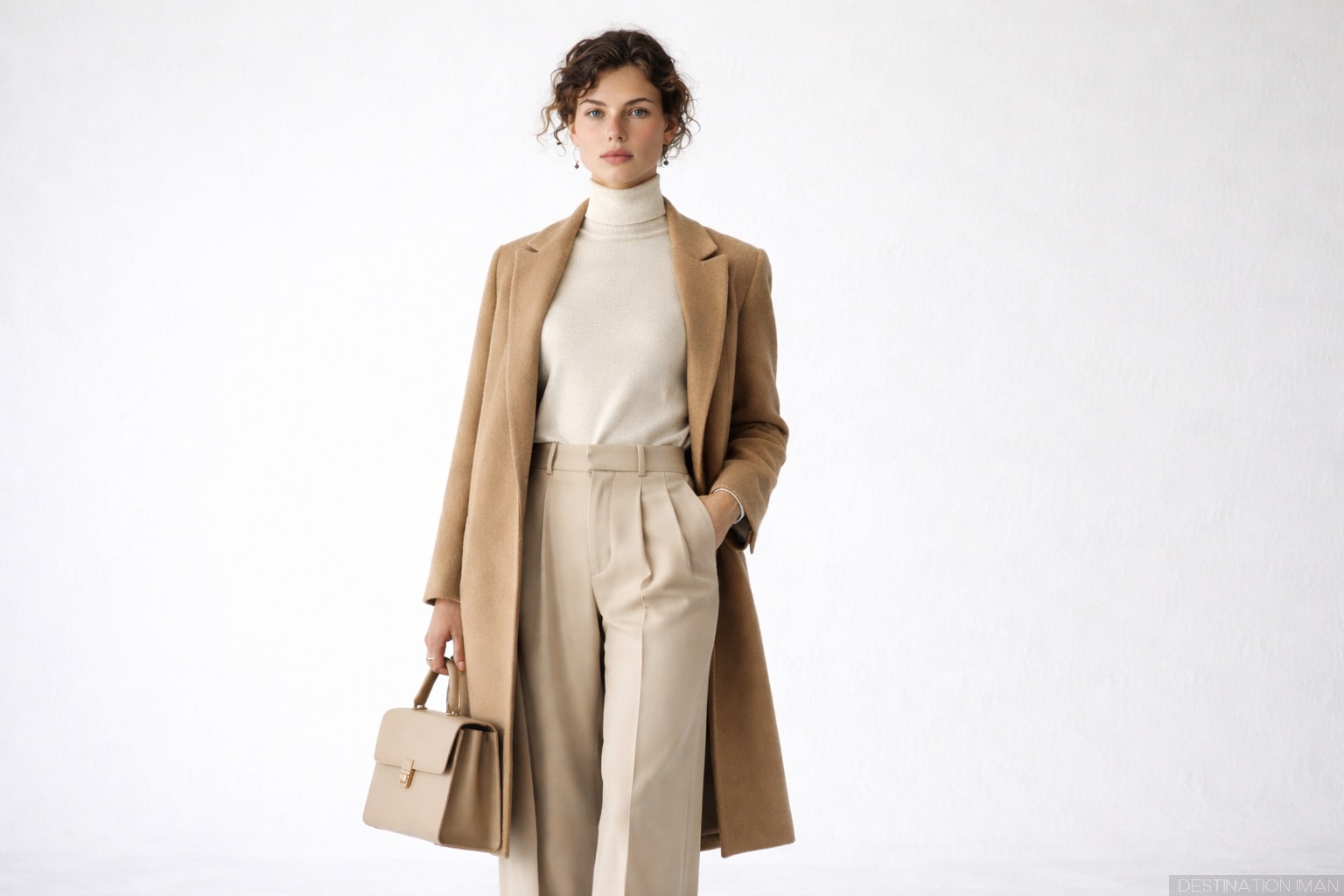
- Light: Cream turtleneck
- Medium: Beige trousers
- Dark: Camel coat
Step 3: Mix at least three textures
This is non-negotiable for monochromatic neutral outfits. Texture provides the visual interest that color variation would in a multi-color outfit.
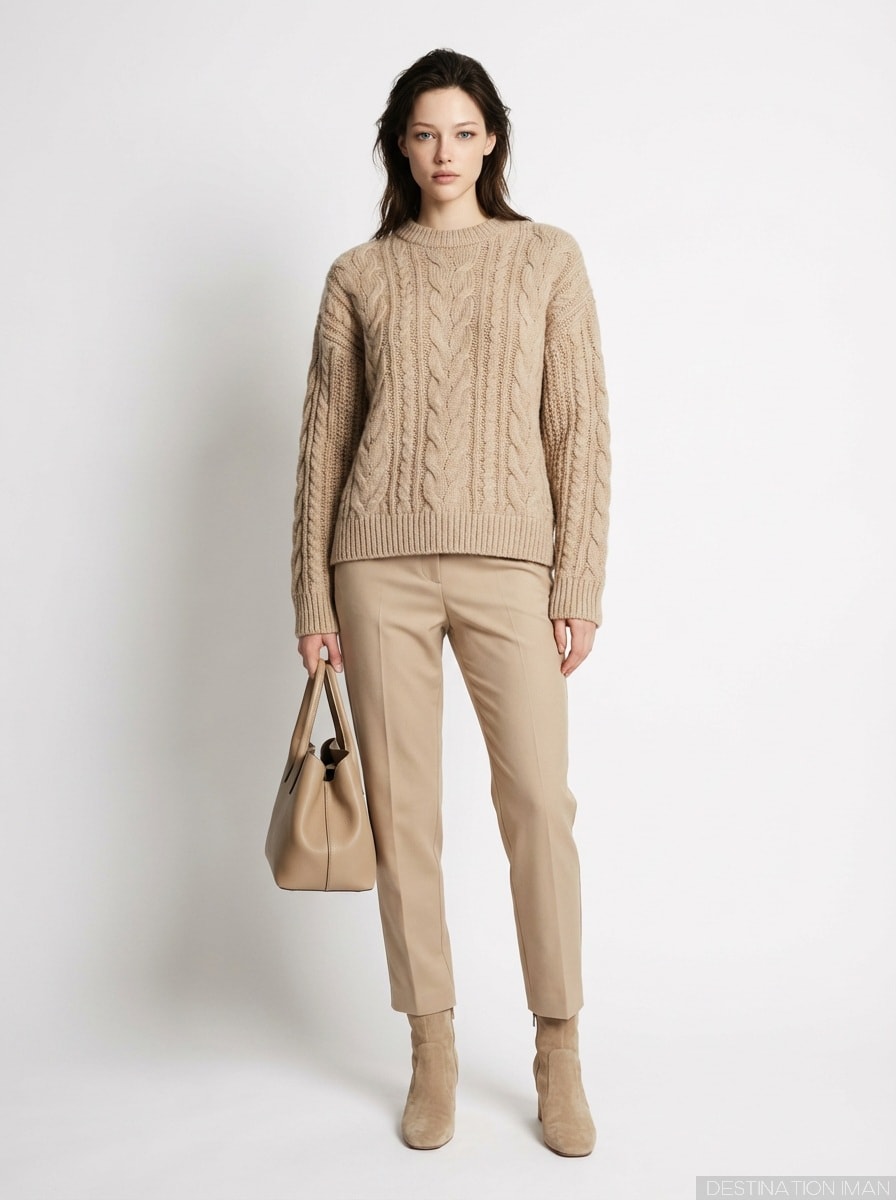
Monochromatic Neutral Outfit Examples
All-Black Professional:
- Silk black blouse (smooth, reflective)
- Wool black trousers (matte, structured)
- Leather black blazer (textured, slightly shiny)
- Suede black pumps (soft texture)
All-Gray Casual:
- Chunky cable-knit light gray sweater
- Medium gray cotton joggers
- Charcoal wool coat
- Gray suede sneakers
All-Cream Elegant:
- Cashmere cream turtleneck
- Linen cream wide-leg pants
- Leather cream trench coat
- Ivory leather loafers
Monochromatic neutral outfits require at least three distinct textures to succeed. Without texture variation, monochromatic neutrals appear flat and one-dimensional. Think: smooth + textured + structured, or matte + shiny + soft.
Formula 2: Neutral Base + Texture Contrast
This formula builds outfits around coordinating neutrals where texture creates the primary visual interest. Unlike monochromatic styling, you can use multiple neutral colors as long as textures vary significantly.
Texture Contrast Principles
Combine opposite textures:
- Smooth with rough (silk with tweed)
- Soft with structured (cashmere with tailored wool)
- Matte with shiny (cotton with leather)
- Fluid with rigid (flowing dress with structured blazer)
Mix fabric weights:
- Lightweight with heavy (linen with wool)
- Delicate with substantial (silk with denim)
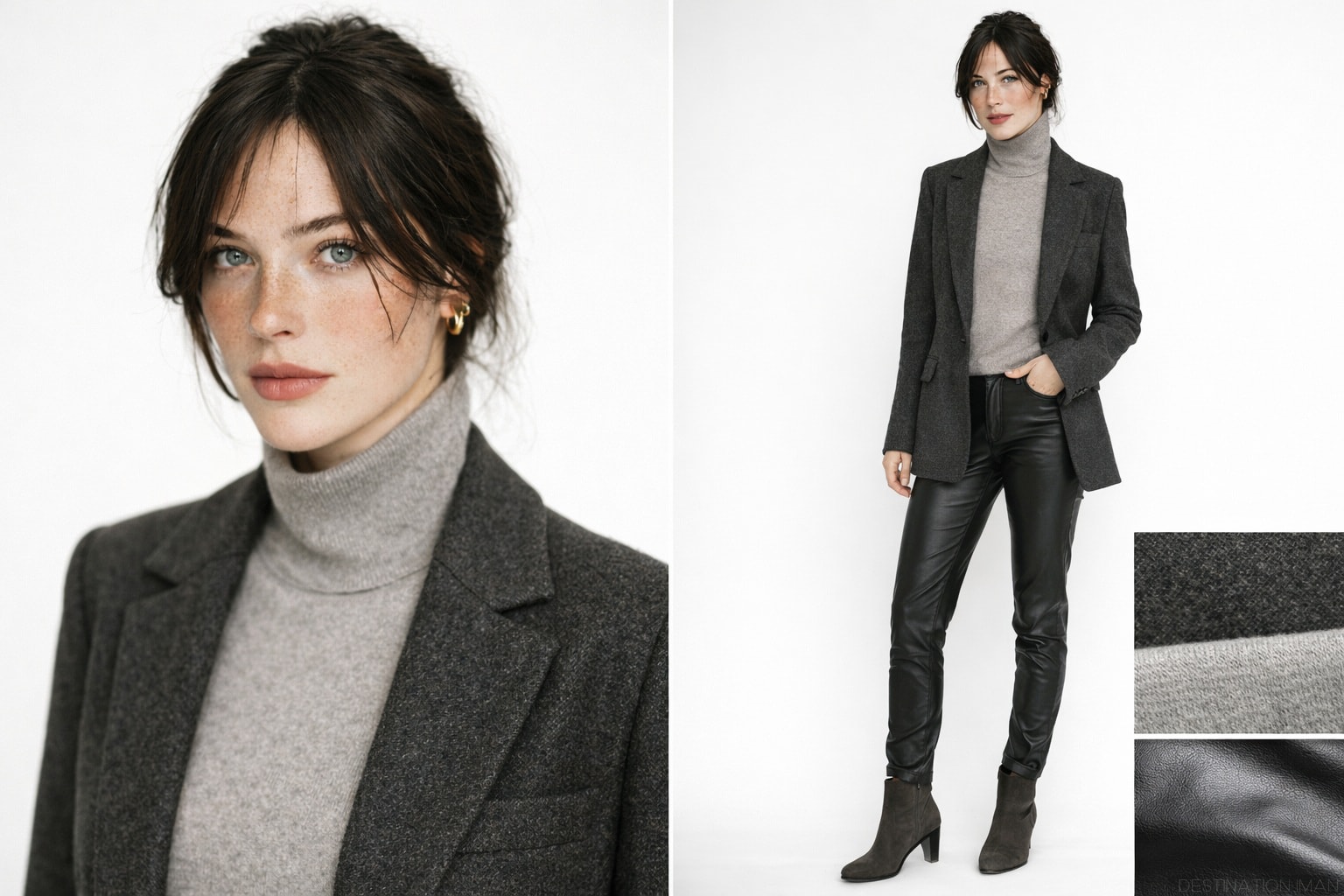
Texture-Forward Neutral Outfit Examples
Professional Texture Mix:
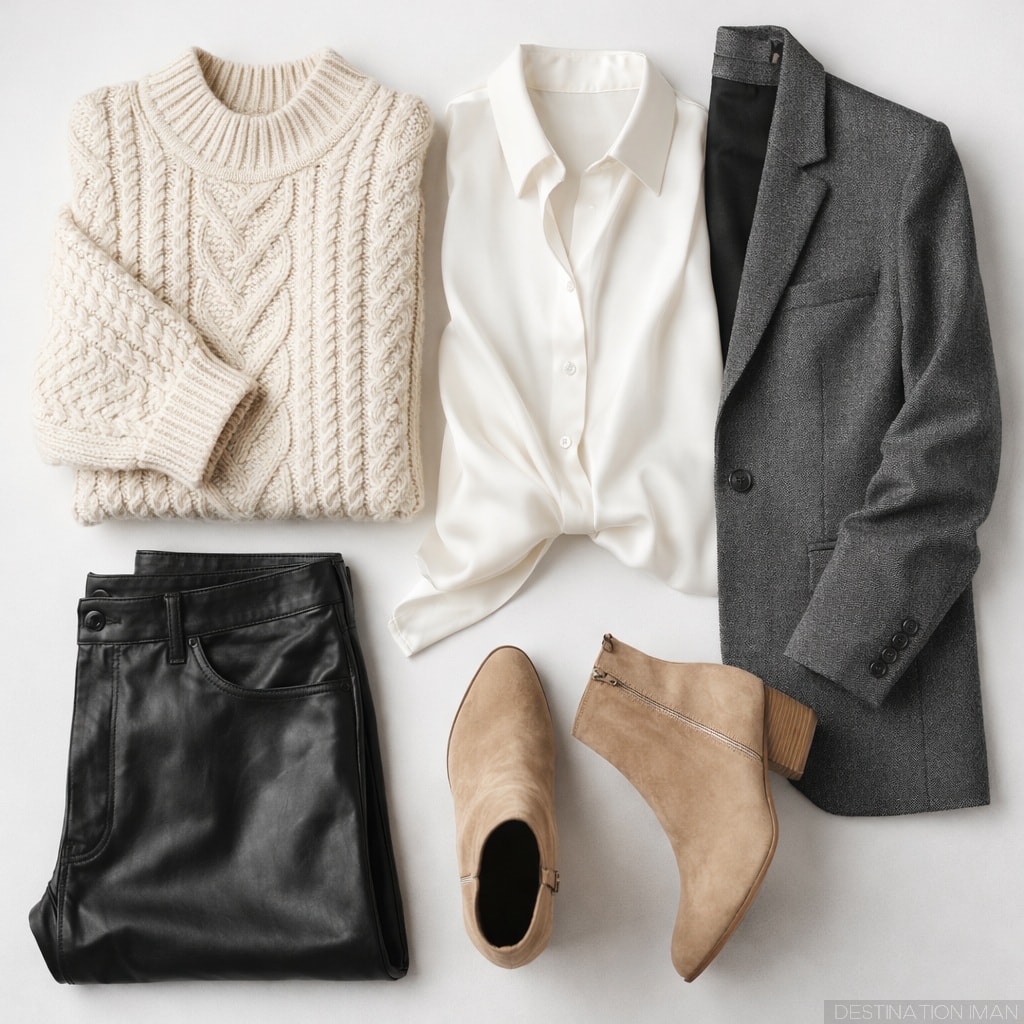
- Structured gray wool blazer
- Soft cream cashmere turtleneck
- Smooth black leather pants
- Suede gray ankle boots
Casual Texture Layering:
- Chunky beige cable-knit cardigan
- Smooth white cotton t-shirt
- Denim navy jeans
- Leather tan loafers
Evening Texture Sophistication:
- Silk charcoal blouse
- Velvet black wide-leg pants
- Satin gray blazer
- Patent leather black pumps
Formula 3: Mixing Warm and Cool Neutrals
While staying within one temperature creates the most cohesive looks, you can successfully mix warm and cool neutrals when done intentionally. The key is maintaining clear dominance of one temperature.
The 70/30 Temperature Rule
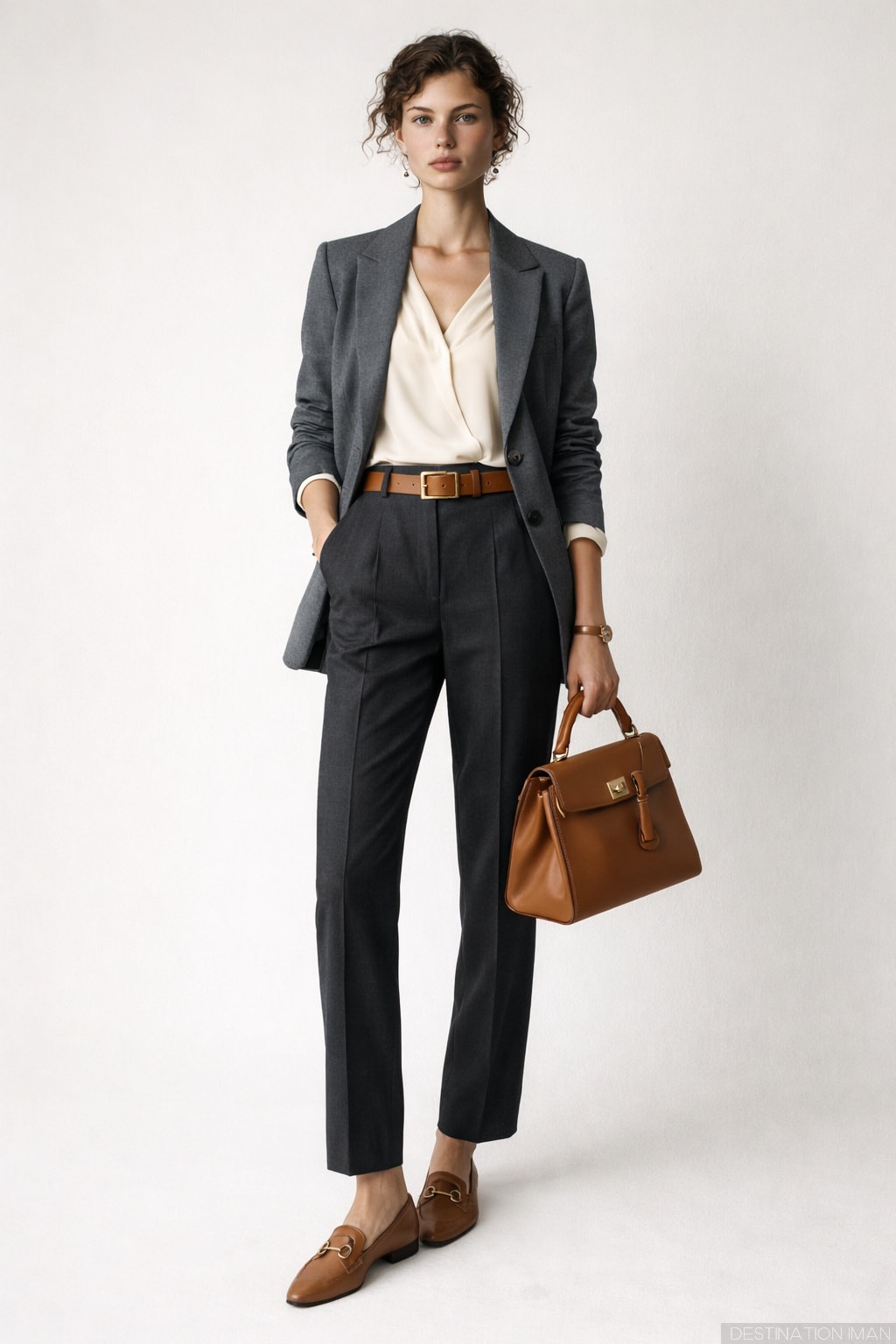
When mixing warm and cool neutrals, ensure 70% of your outfit comes from one temperature family, with only 30% from the opposite temperature.
Cool-dominant example (70% cool / 30% warm):
- Cool gray blazer (cool)
- Charcoal pants (cool)
- White shirt (neutral/cool)
- Cream scarf (warm—30% element)
- Tan leather bag (warm—30% element)
Warm-dominant example (70% warm / 30% cool):
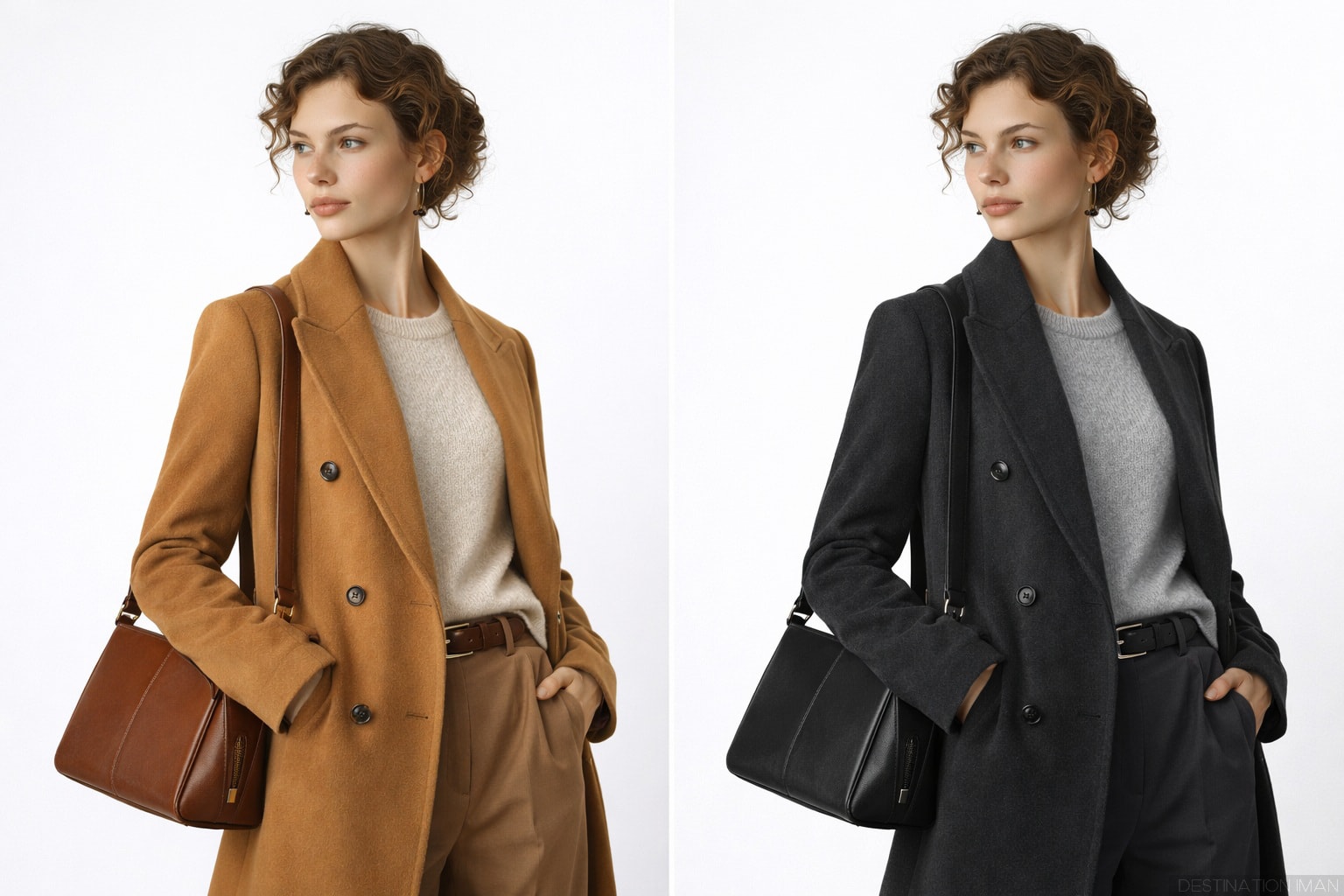
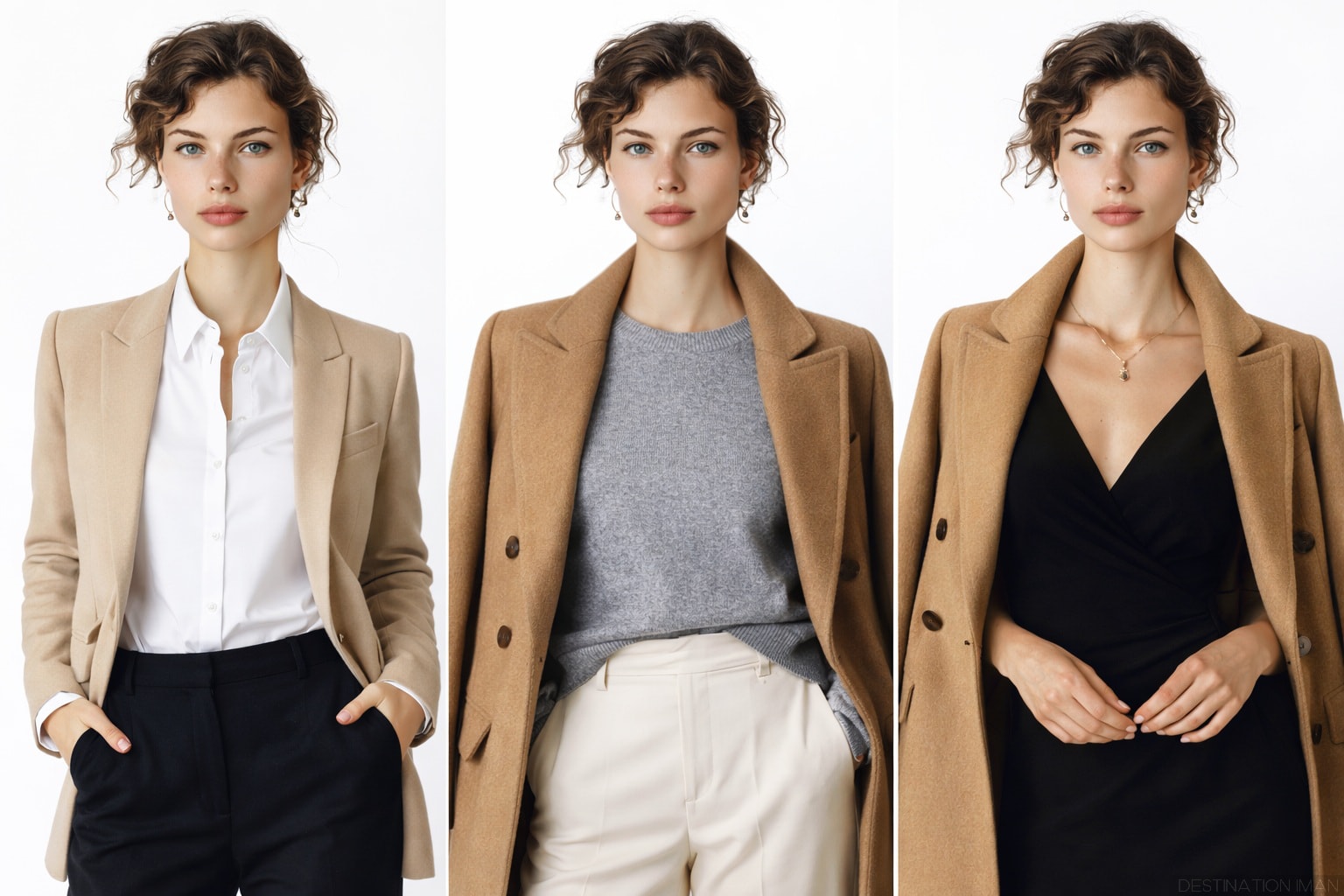
- Camel coat (warm)
- Cream sweater (warm)
- Beige trousers (warm)
- Navy scarf (cool—30% element)
- Gray accessories (cool—30% element)
Bridge Colors for Temperature Mixing
Certain neutrals work as bridges between warm and cool, making mixed-temperature outfits easier:
- Black: Temperature-neutral, works with both warm and cool
- Pure white: Slightly cool but acceptably neutral
- Taupe: Gray-brown hybrid bridges temperatures
- Olive: Muted enough to work with most neutrals
Wearing neutrals that match your skin tone too closely can make you appear washed out. Create contrast by choosing neutrals that differ from your skin's undertone or add depth through darker/lighter shades. If you have fair cool-toned skin, wearing all pale cool neutrals near your face can drain your complexion—add contrast with darker neutrals or warm accessories.
Formula 4: Neutral Outfit + One Accent
This formula builds an entirely neutral foundation and introduces a single pop of color as an accent. The accent provides visual interest while maintaining the sophisticated simplicity of neutral dressing.
How to Execute Neutral + Accent
Step 1: Build your neutral base
Create a complete outfit using only neutrals. Ensure this outfit looks polished and intentional on its own.
Step 2: Choose one accent piece
Add a single item in a non-neutral color. This should be intentional and deliberate—not multiple small accents.
Best accent pieces:
- Structured handbag
- Statement shoes
- Bold scarf
- Vibrant belt
- Striking jewelry piece
Step 3: Keep everything else neutral
Resist the urge to add additional pops of color. The power of this formula lies in restraint.
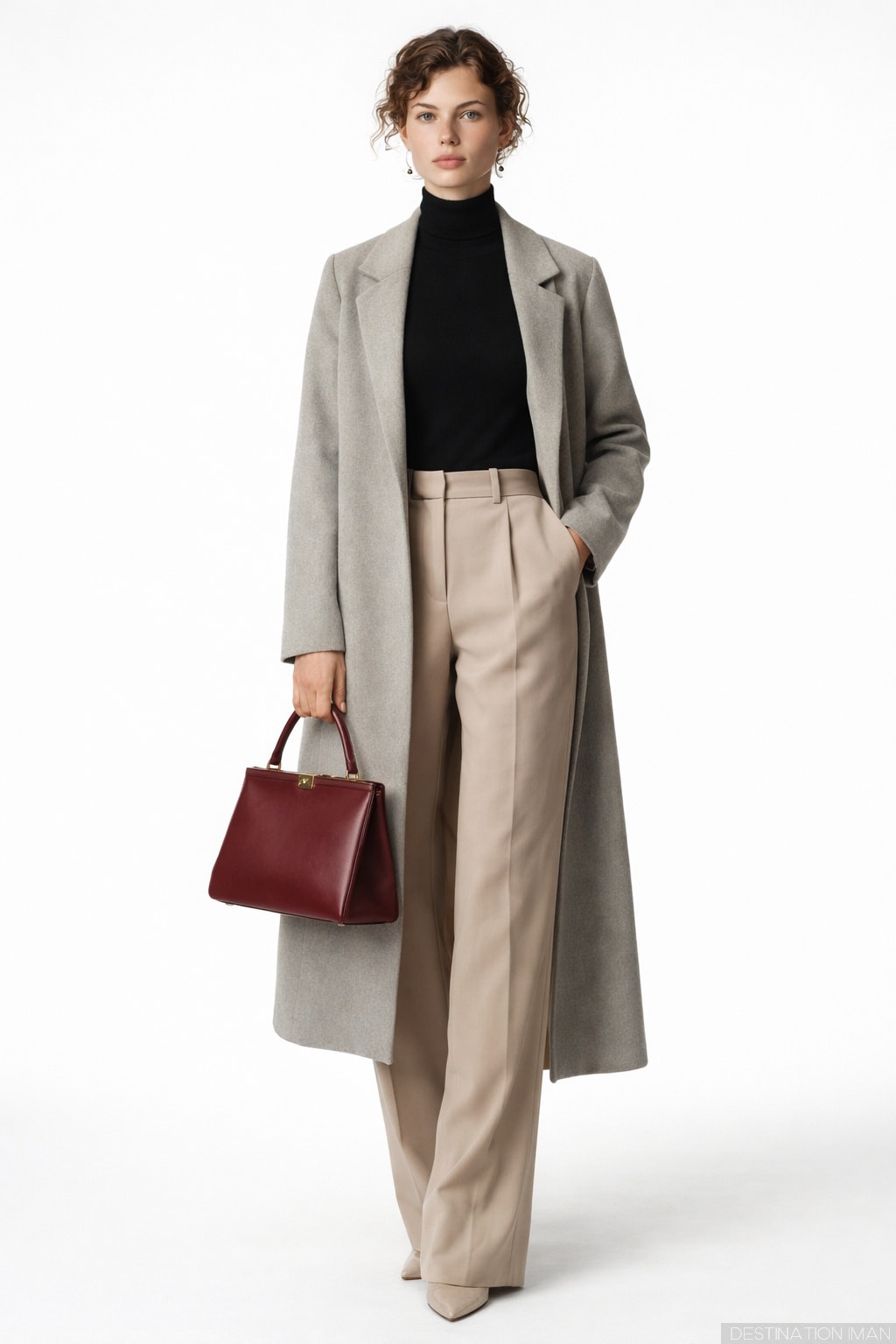
Neutral + Accent Examples
Professional with burgundy accent:
- Black turtleneck
- Gray trousers
- Charcoal blazer
- Burgundy leather handbag (accent)
Casual with emerald accent:
- Cream sweater
- Beige wide-leg pants
- Tan trench coat
- Emerald green scarf (accent)
Evening with cobalt accent:
- Black dress
- Black heels
- Silver jewelry
- Cobalt blue clutch (accent)
How to Add Depth With Texture
Texture is the secret weapon of successful neutral styling. Where color provides interest in vibrant outfits, texture fulfills that role in neutral ensembles.
Essential Textures for Neutral Wardrobes
Smooth and sleek:
- Silk and satin (reflective, fluid)
- Smooth leather (structured, slightly shiny)
- Cotton poplin (crisp, matte)
Soft and cozy:
- Cashmere and merino (luxurious, warm)
- Knits and cable patterns (dimensional, textured)
- Suede (soft, matte, touchable)
Structured and tailored:
- Wool suiting (substantial, professional)
- Tweed (textured, classic)
- Canvas and heavy cotton (structured, casual)
Flowing and fluid:
- Linen (breathable, slightly crinkled)
- Jersey (stretchy, comfortable)
- Chiffon (delicate, ethereal)
Texture Pairing Strategies
Contrast for impact: Pair opposite textures for maximum visual interest. Smooth silk with chunky knit, sleek leather with soft cashmere, structured wool with flowing linen.
Graduate for sophistication: Layer textures from smooth to textured to highly textured. For example: smooth silk shirt + medium-texture wool blazer + textured tweed coat.
Repeat for cohesion: Use the same texture in different pieces to create visual connection. All-suede accessories, multiple knit layers, coordinated leather pieces.
Neutral Outfit Texture Checklist
- At least 3 different textures present in the outfit
- Combination of smooth and textured fabrics
- Mix of matte and slightly shiny finishes
- Variation in fabric weight (light + medium + heavy)
- At least one structured and one soft element
Styling Neutrals for Different Occasions
Neutral colors work across all settings, but the specific neutrals, textures, and proportions shift based on occasion.
Professional/Office Neutrals
Best neutrals: Navy, charcoal, black, white, gray
Key textures: Wool suiting, cotton poplin, smooth leather
Silhouettes: Structured, tailored, polished
Professional neutral outfit examples:
- Navy blazer + white shirt + gray trousers + black pumps
- Charcoal suit + cream blouse + black accessories
- Black turtleneck + camel trousers + navy blazer
Smart Casual Neutrals
Best neutrals: Camel, beige, cream, soft gray, navy
Key textures: Cashmere, denim, soft leather, linen
Silhouettes: Relaxed but refined, comfortable but intentional
Smart casual neutral outfit examples:
- Cream sweater + camel wide-leg pants + tan loafers
- Gray turtleneck + beige trench + navy jeans + white sneakers
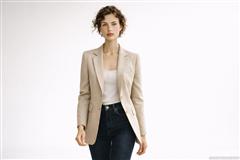
- Beige blazer + white tee + denim jeans + tan accessories
Evening/Formal Neutrals
Best neutrals: Black, charcoal, cream, champagne, navy
Key textures: Silk, satin, velvet, fine wool, patent leather
Silhouettes: Elegant, refined, sophisticated
Evening neutral outfit examples:
- Black silk dress + charcoal coat + silver accessories
- Cream satin blouse + black wide-leg trousers + black heels
- Charcoal velvet blazer + black silk pants + metallic clutch
Common Neutral Styling Mistakes
Even experienced dressers make predictable errors when styling neutrals. Avoiding these pitfalls elevates neutral outfits significantly.
Mistake 1: All-Same-Tone Neutral Outfits
The problem: Wearing neutrals that are all the same lightness/darkness creates a flat, one-dimensional appearance.
The solution: Include light, medium, and dark tones even within the same color family. An all-beige outfit should include cream, medium beige, and camel—not three identical beige pieces.
Mistake 2: Ignoring Texture
The problem: All smooth or all matte fabrics without texture variation look flat and boring.
The solution: Always include at least three different textures in neutral outfits. Mix smooth with textured, matte with slightly shiny, soft with structured.
Mistake 3: Mixing Warm and Cool Neutrals Equally
The problem: Equal amounts of warm and cool neutrals create visual confusion—the outfit looks accidentally mismatched rather than intentionally styled.
The solution: Follow the 70/30 rule. Commit to one temperature family for 70% of the outfit, using the opposite temperature only as small accents.
Mistake 4: Wearing Neutrals That Match Your Skin Too Closely
The problem: Neutrals very close to your skin tone create a washed-out appearance with no definition.
The solution: Create contrast between your skin tone and clothing. If you have fair skin, avoid wearing all pale neutrals near your face without contrast. If you have deep skin, ensure neutrals aren't so dark they lack distinction.
Mistake 5: Neglecting Fit and Proportion
The problem: Because neutrals lack color interest, poor fit is more noticeable. Ill-fitting neutral clothing just looks sloppy.
The solution: Ensure neutral pieces fit impeccably. Consider tailoring investment neutral pieces. Pay attention to proportion—balance fitted with relaxed, cropped with full-length.
Beige gets a bad reputation because it's often worn poorly—same-tone head-to-toe with no texture variation. When styled correctly with tonal variation and multiple textures, beige becomes sophisticated and elegant. The problem isn't the color; it's the execution.
Building a Neutral Capsule Wardrobe
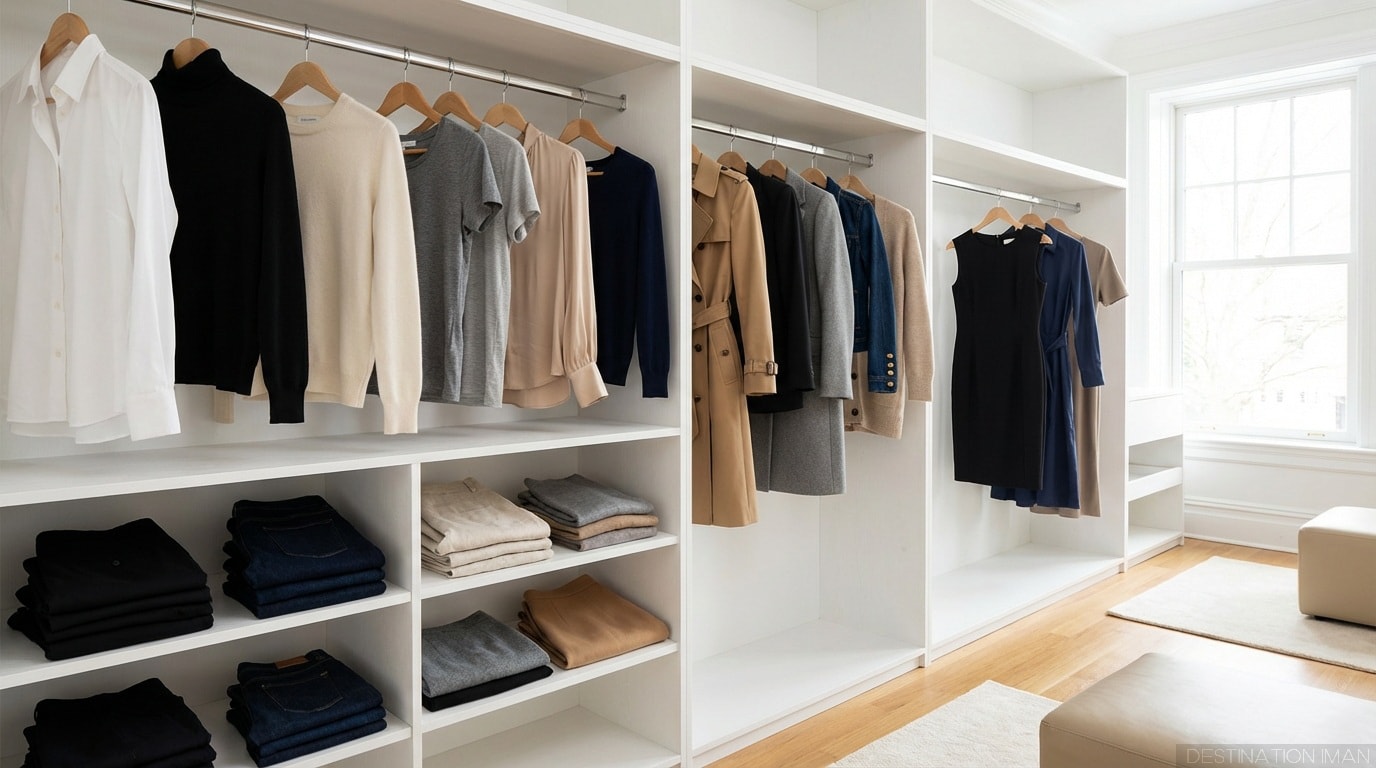
A neutral-focused capsule wardrobe offers maximum versatility with minimal pieces. By selecting coordinating neutrals, you create geometric growth in outfit possibilities.
Essential Neutral Capsule Pieces
Tops (6-8 pieces):
- White button-up shirt
- Black turtleneck
- Cream cashmere sweater
- Gray t-shirt (2)
- Beige silk blouse
- Navy long-sleeve top
Bottoms (5-6 pieces):
- Black tailored trousers
- Navy or dark-wash jeans
- Beige wide-leg pants
- Gray pencil skirt
- Camel midi skirt
Outerwear (4-5 pieces):
- Camel trench coat
- Black blazer
- Gray wool coat
- Navy denim jacket
- Beige cardigan
Dresses (2-3 pieces):
- Black sheath dress
- Navy shirt dress
- Cream midi dress
Shoes (5-6 pairs):
- Black leather pumps
- White sneakers
- Tan ankle boots
- Black loafers
- Nude sandals
- Gray boots
The Math of Neutral Capsule Versatility
A 30-piece neutral capsule wardrobe where all pieces coordinate creates approximately:
When you have 30 coordinating neutral pieces in your wardrobe, the number of possible 3-piece outfit combinations (top, bottom, and layer) reaches an impressive 4,060 different outfits. This demonstrates the power of a well-coordinated capsule wardrobe.
In practice, accounting for seasonal appropriateness and personal preference, a 30-piece neutral capsule realistically creates 150-200 wearable outfit combinations.
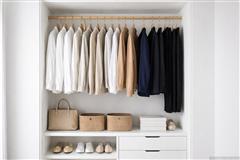
Seasonal Neutral Styling
Neutrals work year-round, but specific neutrals, textures, and layering strategies shift with seasons.
Spring Neutral Styling
Best neutrals: Cream, beige, soft gray, white, light camel
Key textures: Linen, cotton, lightweight knits
Strategy: Lighter tones, breathable fabrics, minimal layering
Spring neutral outfit: Cream linen blazer + white cotton tee + beige trousers + tan sandals
Summer Neutral Styling
Best neutrals: White, cream, tan, light gray, soft beige
Key textures: Linen, cotton, silk, lightweight fabrics
Strategy: Maximum lightness, breathable materials, minimal coverage
Summer neutral outfit: White linen dress + tan leather sandals + cream canvas bag
Fall Neutral Styling
Best neutrals: Camel, chocolate brown, rust, olive, deep beige
Key textures: Wool, cashmere, suede, heavier knits
Strategy: Warmer tones, layering begins, transitional weights
Fall neutral outfit: Camel sweater + chocolate brown trousers + olive scarf + tan boots
Winter Neutral Styling
Best neutrals: Charcoal, black, deep gray, navy, rich brown
Key textures: Wool, cashmere, velvet, heavy knits, leather
Strategy: Darker tones, maximum layering, substantial fabrics
Winter neutral outfit: Black turtleneck + charcoal wool coat + gray scarf + black leather boots
During season transitions, focus on medium-weight neutrals that layer well. Pieces like lightweight wool blazers, medium-weight cardigans, and transitional trench coats in neutrals work across temperature fluctuations while maintaining sophisticated neutral styling.
Neutral Styling Success Principles
- Understanding color temperature (warm vs cool) is fundamental to cohesive neutral outfits
- Texture variation is non-negotiable—minimum three textures in neutral outfits
- Monochromatic neutral styling requires tonal variation and texture contrast
- When mixing warm and cool neutrals, maintain 70/30 temperature dominance
- Create contrast between your skin tone and clothing to avoid washed-out appearance
- Build neutral capsules around 5-7 coordinating neutrals for maximum versatility
- Adapt neutral styling seasonally through color weight and texture rather than abandoning neutrals
Conclusion
Mastering neutral color styling transforms your wardrobe from a collection of individual pieces into a cohesive system where everything works together effortlessly. By understanding color temperature, prioritizing texture variation, and applying proven outfit formulas, you create sophisticated neutral outfits that look intentional rather than boring.
The power of neutral styling lies in its combination of versatility and elegance. A well-executed neutral wardrobe offers more outfit possibilities than a colorful one of the same size, while maintaining a consistent, polished aesthetic that works across all settings and seasons.
Remember that neutral doesn't mean monotonous. Through thoughtful attention to texture, proportion, and tonal variation, neutral outfits become rich, dimensional, and visually interesting. The formulas provided in this guide—monochromatic layering, texture contrast, temperature mixing, and neutral with accent—give you frameworks for creating countless neutral combinations that always look sophisticated.
Start by assessing your current neutral pieces through the lens of color temperature. Identify whether you gravitate naturally toward warm or cool neutrals, then build your palette accordingly. Add pieces strategically to fill gaps, always considering how new items will coordinate with existing neutrals. Prioritize texture variety and impeccable fit, as these elements make or break neutral styling.
Whether you're building a completely neutral capsule wardrobe or simply improving how you style the neutrals you already own, these principles and formulas will guide you toward consistently polished, effortlessly sophisticated results. Neutral styling isn't about restriction—it's about creating a versatile foundation that makes getting dressed simpler while looking better.