Some outfits never go out of style. Regardless of trends, seasons, or age, certain clothing combinations consistently look polished, intentional, and effortless. These timeless formulas work because they rely on universal principles of balance, proportion, and simplicity rather than fleeting novelty.
This comprehensive guide explores proven outfit formulas that eliminate daily wardrobe stress and guarantee you always look put-together. By understanding these repeatable structures, you can dress confidently for any occasion without overthinking your choices or constantly chasing new trends.
Key Takeaways
- Outfit formulas are repeatable structures that work across different colors, fabrics, and accessories
- Classic formulas balance fitted and relaxed elements for visual harmony
- Structure + softness creates sophisticated, polished looks
- Monochromatic dressing is the easiest path to instant elegance
- One statement piece per outfit prevents visual overwhelm
- These formulas work for all body types, ages, and personal styles
In This Article
- What Is an Outfit Formula?
- Why Classic Outfit Formulas Work
- Formula 1: Structured Top + Simple Bottom
- Formula 2: Neutral Base + One Accent
- Formula 3: Monochrome With Texture
- Formula 4: Fitted + Relaxed Balance
- Formula 5: Classic Dress + Simple Shoes
- Formula 6: Layered Neutrals
- Formula 7: Casual Base + Polished Detail
- How to Adapt Formulas to Your Style
What Is an Outfit Formula?
An outfit formula is a repeatable clothing structure—a template you can return to again and again with different specific pieces. Think of it as a recipe: the formula provides the framework (structured jacket + simple bottom + minimal accessories), while you supply the variables (navy blazer or camel cardigan, black trousers or jeans, gold studs or silver hoops).
This approach transforms getting dressed from a daily creative challenge into a simple selection process. Instead of standing before your closet wondering how to combine pieces, you already know the structure that works. You're simply choosing which specific items fit that proven template today.
The Benefits of Formula-Based Dressing
Relying on outfit formulas provides several significant advantages:
- Eliminates decision fatigue: You make fewer micro-decisions each morning, reserving mental energy for more important matters
- Guarantees consistent results: You know before getting dressed that the outfit will work
- Maximizes wardrobe versatility: The same pieces work in multiple formulas, increasing outfit options without buying more clothes
- Builds style confidence: Repeated success with proven combinations makes you more self-assured
- Saves time: Getting dressed takes minutes instead of trying on multiple failed combinations
- Creates signature style: Repeating similar formulas establishes recognizable personal aesthetic
Outfit formulas differ from wearing the same outfit daily. Formulas provide structure while allowing variation—you maintain visual interest and adapt to occasions while still benefiting from a proven framework.

Why Classic Outfit Formulas Work
Timeless outfit formulas aren't arbitrary—they work because they're built on fundamental principles of visual harmony that have nothing to do with trends. Understanding why these combinations succeed helps you apply the principles more flexibly.
The Principle of Balance
Every successful outfit balances contrasting elements. This might mean balancing fitted with relaxed, structured with soft, simple with textured, or matte with shine. Without this balance, outfits feel either too tight and rigid or too loose and sloppy.
Classic formulas naturally incorporate this balance. A structured blazer (rigid) paired with soft trousers (relaxed) creates harmony. A fitted turtleneck (close to body) with wide-leg pants (flowing away from body) provides visual interest through contrast.
Proportion and Silhouette
Flattering proportions matter more than following specific "rules" about body types. Classic formulas work across different bodies because they create clean, recognizable silhouettes rather than fighting against the body's natural shape.
When you combine a fitted top with relaxed bottom (or vice versa), you create a defined shape rather than shapeless volume. When you layer pieces in similar tones, you create a lengthened silhouette. These principles work regardless of your specific measurements.
Simplicity Prevents Overwhelm
Classic formulas avoid visual clutter by limiting variables. They typically involve:
- Three main pieces maximum (plus accessories)
- A cohesive color story (monochrome, neutrals, or neutrals + one accent)
- Simple silhouettes without excessive details
- Minimal accessories that enhance rather than compete
This simplicity allows each element to shine while creating a cohesive whole that reads as intentional rather than haphazard.
Fashion psychologists note that we perceive simple, cohesive outfits as more expensive and more attractive than complicated, busy combinations. This perception bias means classic formulas make you appear more polished even when wearing affordable clothing.
Formula 1: Structured Top + Simple Bottom
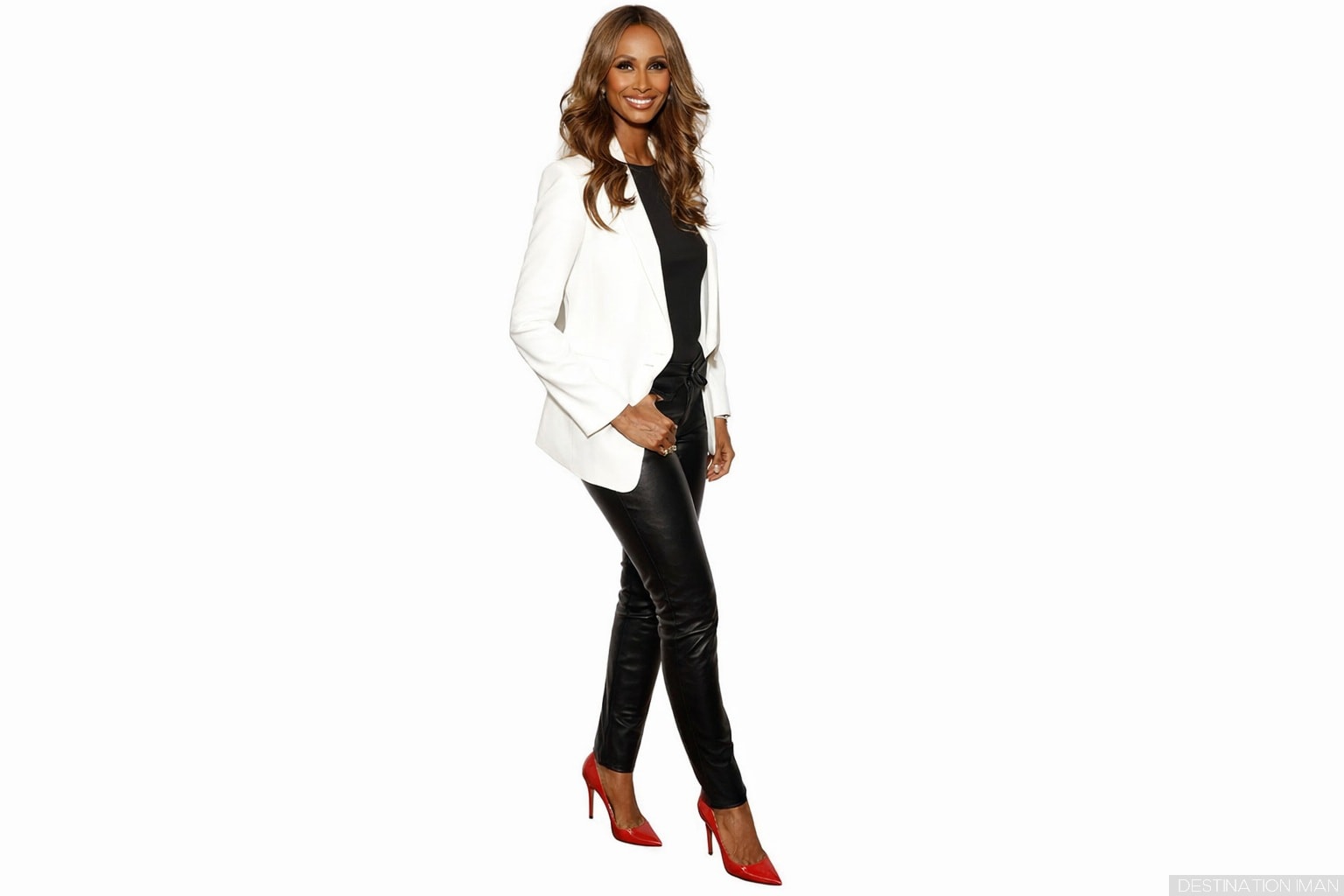
This foundational formula works in virtually every context—from professional settings to casual weekends. The structured top provides polish and intention, while the simple bottom keeps the look grounded and wearable.
Why This Formula Works
Structure draws the eye and signals intentionality. When you wear a tailored blazer, crisp button-up, or fitted jacket, you immediately appear more put-together—regardless of what you pair it with. The structured piece does the heavy lifting, allowing the bottom half to remain simple and comfortable.
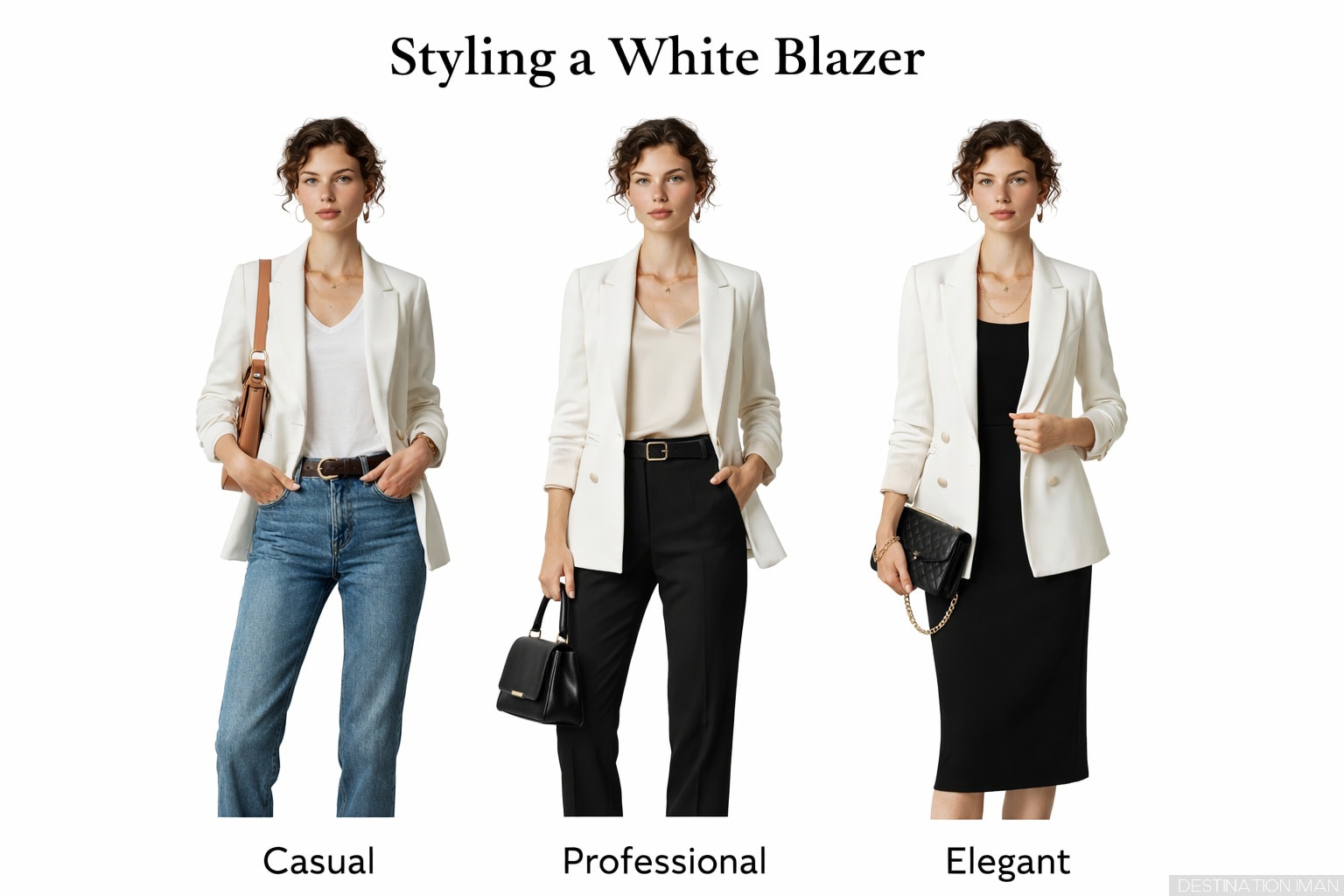
This combination also provides versatility. The same structured blazer works with tailored trousers for professional meetings, dark jeans for casual sophistication, or even a pencil skirt for more formal occasions. You're essentially creating multiple outfits from one key piece.
How to Execute This Formula
The structured top options:
- Tailored blazer in neutral colors (black, navy, gray, camel)
- Structured jacket with defined shoulders
- Crisp button-up shirt
- Fitted vest or waistcoat
- Leather or faux-leather moto jacket
The simple bottom options:
- Straight-leg or slim trousers
- Dark-wash jeans
- Simple pencil or A-line skirt
- Wide-leg pants in solid colors
- Tailored shorts (for warmer weather)
Completing the look:
- Keep accessories minimal—simple shoes, small bag
- Ensure proper fit on both pieces
- Coordinate colors (matching neutrals or tonal combinations)
- Add a thin belt if defining the waist
When wearing a structured blazer, push the sleeves up slightly (to just below your elbow) for a more relaxed, modern look that prevents the outfit from appearing too stiff or corporate.
Variations on This Formula
Professional version: Navy blazer + gray wool trousers + black pumps + structured bag
Smart casual version: Camel blazer + dark jeans + white sneakers + crossbody bag
Evening version: Black blazer + leather pants + heeled boots + clutch
Summer version: Linen blazer + white trousers + sandals + tote bag
Formula 2: Neutral Base + One Accent
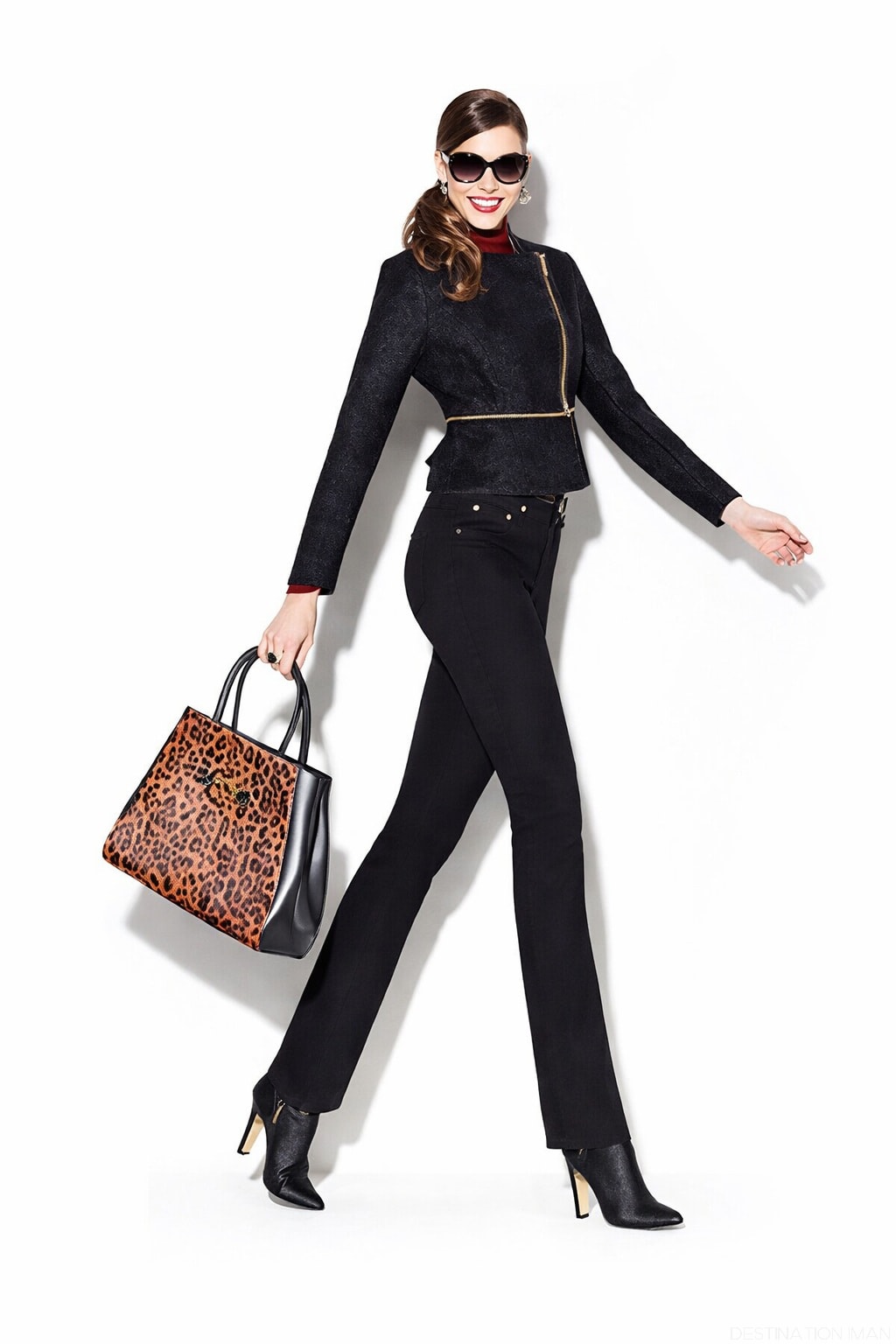
This formula demonstrates the power of restraint. By building an outfit entirely from neutral foundations and adding just one accent element, you create visual interest without overwhelming the eye.
The Psychology of One Accent
When everything else is neutral, a single accent becomes a focal point that draws the eye intentionally. This creates a sense of curation and sophistication—you've chosen one element to highlight rather than competing for attention with multiple statements.
This formula also makes accessories work harder for you. That statement bag, interesting shoes, or textured scarf becomes the personality in an otherwise understated outfit, allowing you to express style without overwhelming your overall appearance.
Building the Neutral Base
Your neutral base should be cohesive in color, even if not perfectly matched. Effective neutral combinations include:
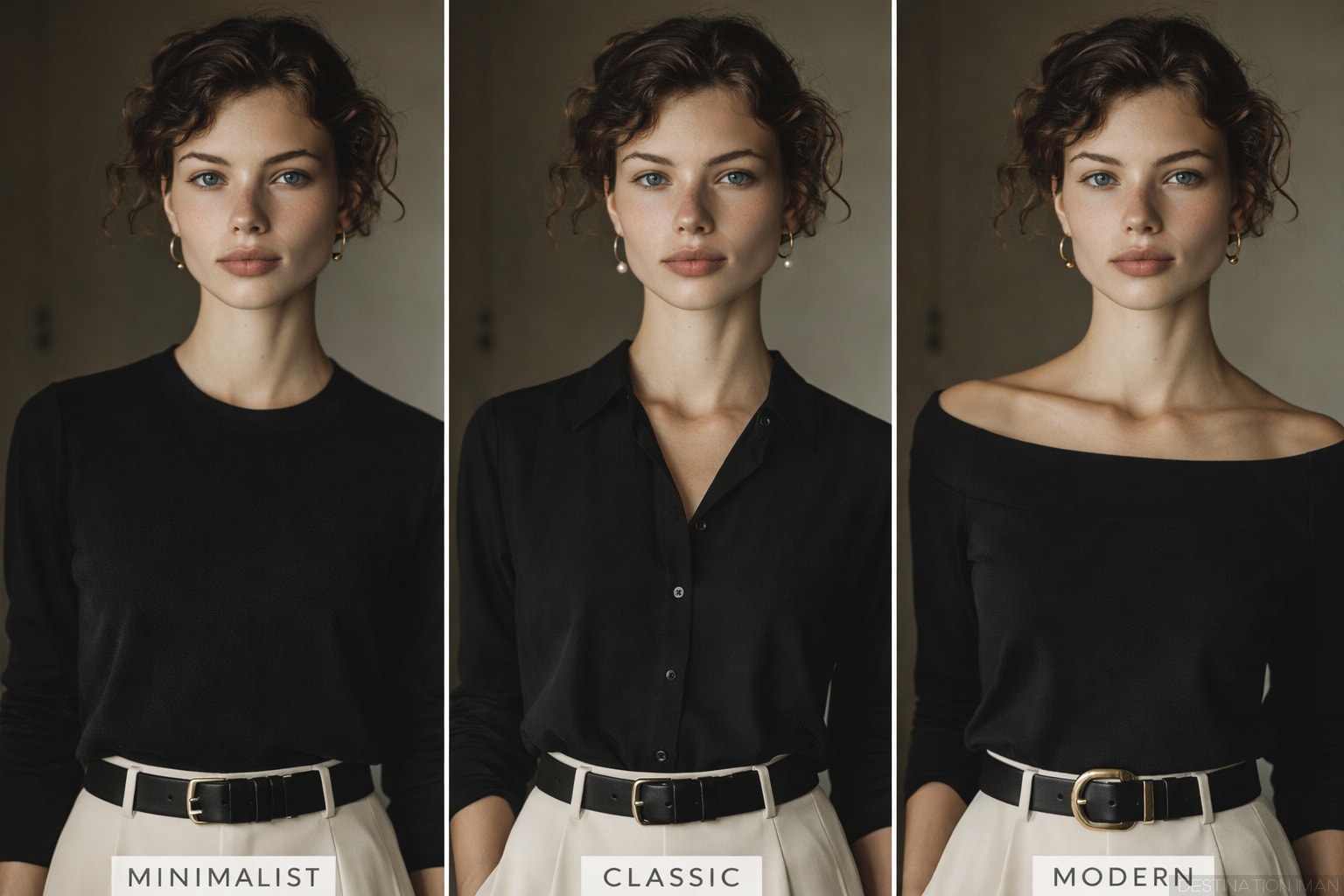
- All black (different textures)
- All white or cream
- Camel/beige/tan spectrum
- Gray scale (light to dark gray)
- Navy and black combination
- Beige and white combination
Choosing Your Accent
The accent piece should be noticeably different from your neutral base. Options include:
- Color accent: Red bag with all-black outfit, burgundy shoes with beige ensemble
- Pattern accent: Leopard print bag, striped scarf, plaid blazer
- Texture accent: Velvet bag with cotton outfit, leather jacket with knit pieces
- Metallic accent: Gold jewelry, silver shoes, metallic belt
Don't add multiple accents. The power of this formula lies in restraint—if you add colorful shoes AND a patterned bag AND statement jewelry, you've negated the intentional simplicity that makes one accent impactful.
Formula Variations
Classic approach: All-black outfit + red lipstick and red bag
Subtle version: Beige outfit + tan leather bag with interesting texture
Bold version: White jeans and shirt + bright blue blazer
Pattern approach: Gray trousers and sweater + leopard print shoes
Formula 3: Monochrome With Texture
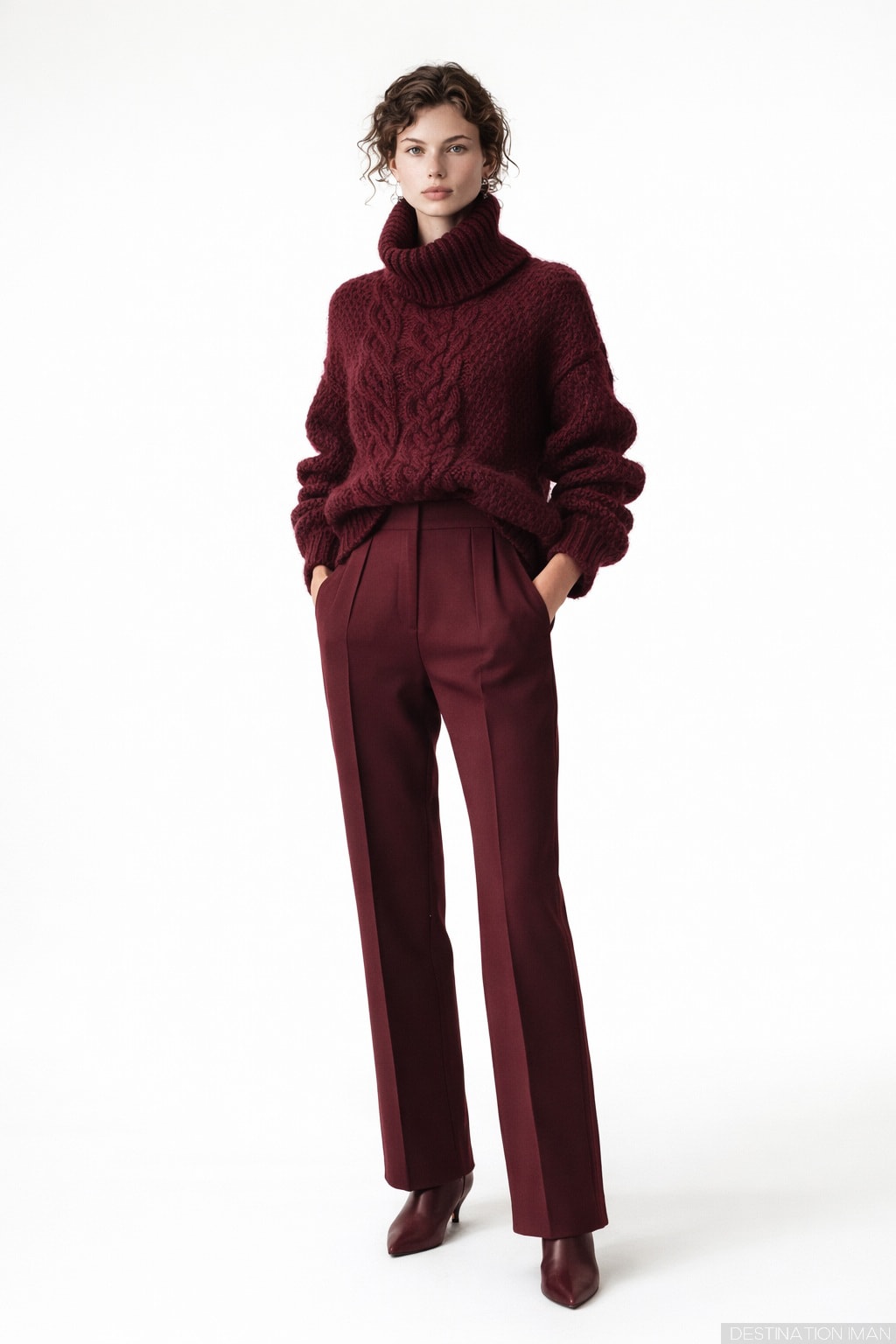
Monochromatic dressing—wearing various shades of the same color—is one of the most foolproof paths to elegant, expensive-looking outfits. Adding varied textures prevents the look from appearing flat or one-dimensional.
Why Monochrome Works
When you eliminate color contrast, several advantages emerge:
- Elongates silhouette: The unbroken color line makes you appear taller and leaner
- Creates visual harmony: Everything automatically coordinates
- Appears more expensive: Color-blocking and monochrome are associated with high fashion
- Simplifies getting dressed: You only need to match tone, not coordinate colors
- Looks intentional: Monochrome signals thoughtful curation
The Role of Texture
Without texture variation, monochrome outfits can appear flat. Mixing different fabrics within the same color family creates depth and visual interest while maintaining cohesion.
Effective texture combinations in monochrome outfits:
- Chunky knit sweater + smooth wool trousers
- Silk blouse + cotton denim jeans
- Leather jacket + jersey t-shirt + canvas pants
- Cashmere turtleneck + suede skirt + wool coat
- Linen shirt + linen-blend wide-leg pants (same color, different weights)
Choosing Your Monochrome Color
Different colors create different effects:
All-black: Sophisticated, slimming, universally flattering, works for all occasions
All-white/cream: Fresh, clean, summery, requires careful fabric choices to avoid sheerness
All-camel/beige: Warm, expensive-looking, perfect for transitional seasons
All-gray: Modern, versatile, pairs well with both silver and gold accessories
All-navy: Professional yet approachable, alternative to all-black
All-burgundy/wine: Rich, unexpected, creates statement without being loud
Monochrome Success Checklist
- Include at least three different textures for depth
- Vary the shades slightly (light to medium to dark) for dimension
- Ensure fabrics are in good condition (wrinkles and wear show more in monochrome)
- Keep accessories in the same color family
- Add one metallic element (watch, jewelry, belt) for subtle contrast
Formula 4: Fitted + Relaxed Balance
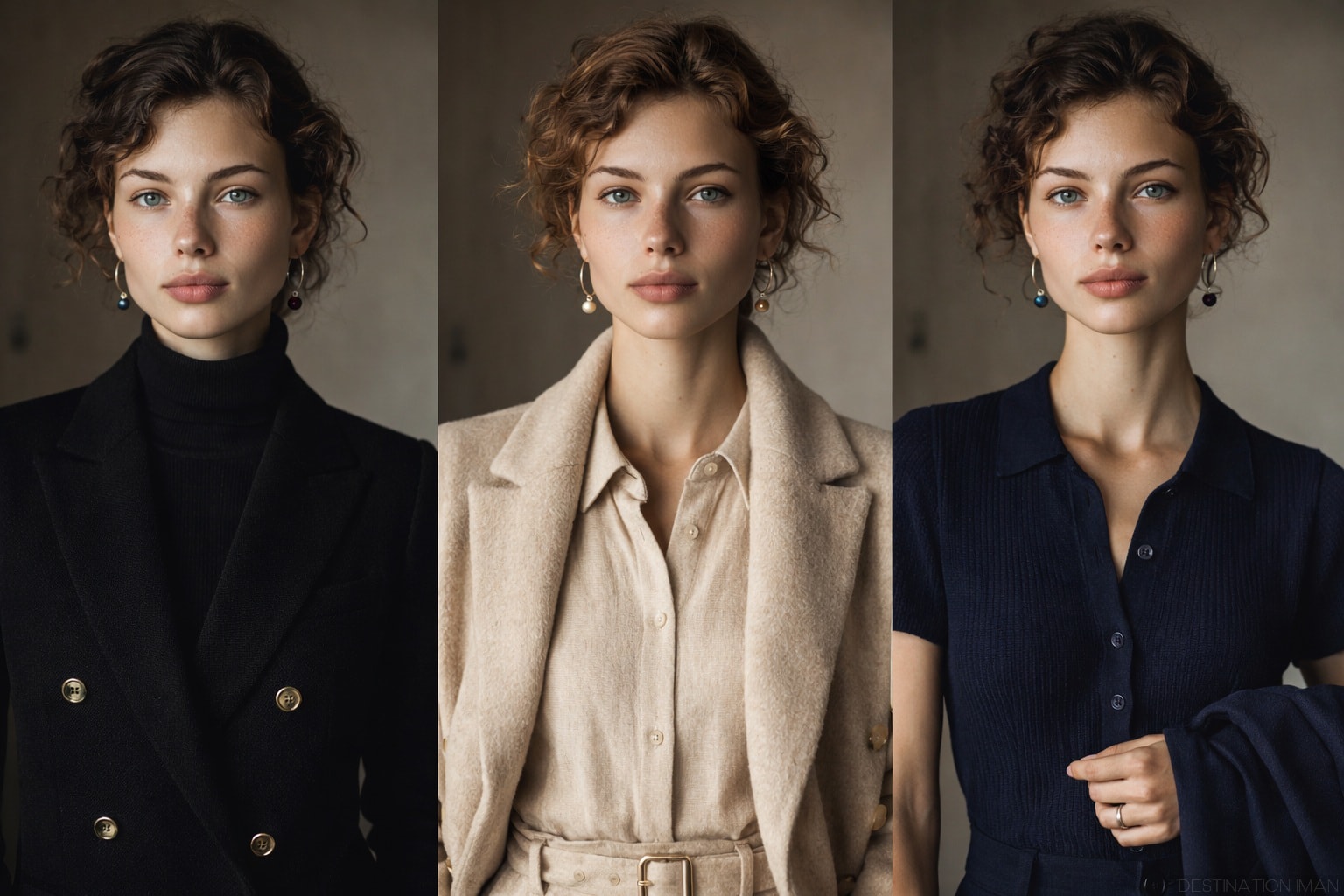
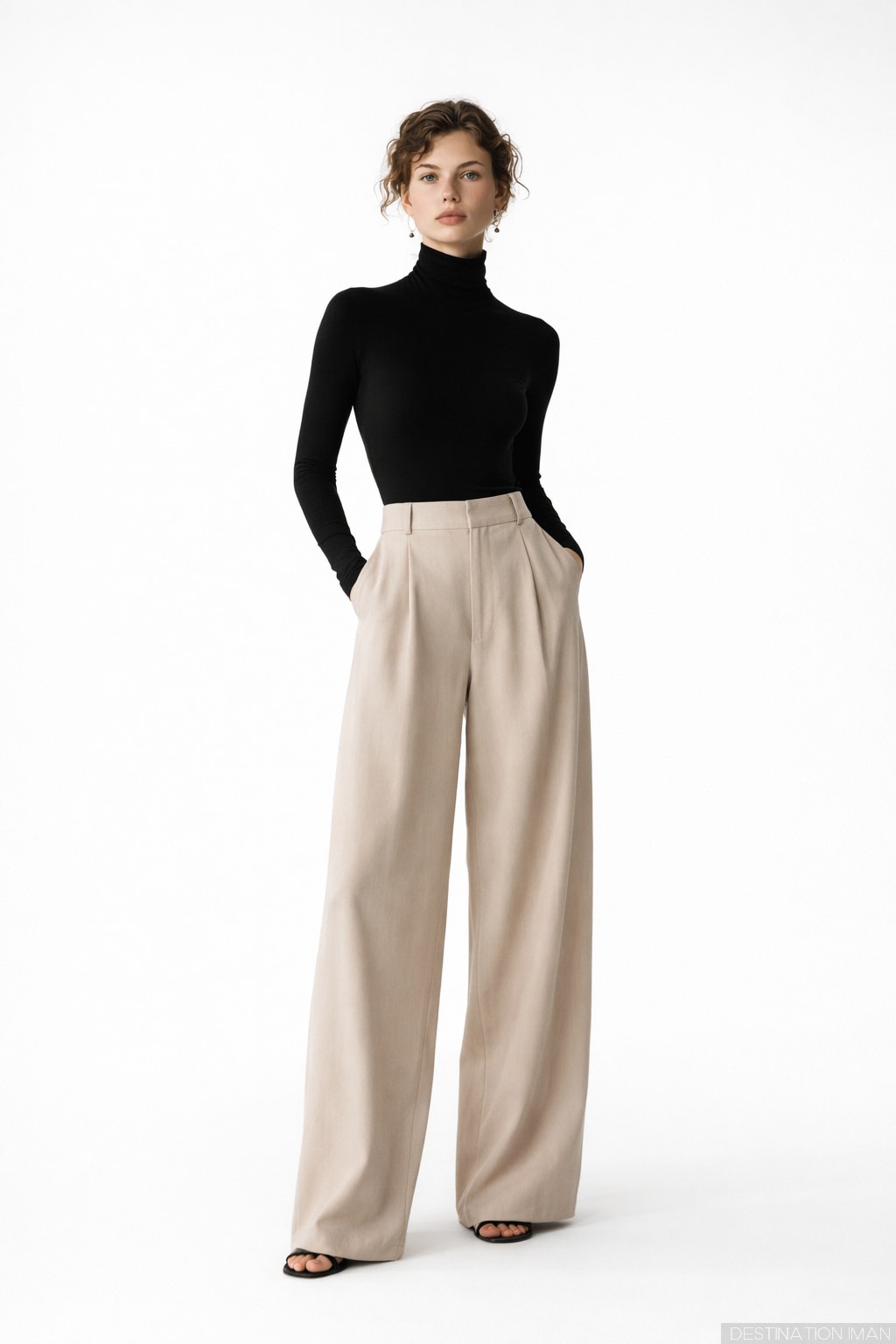
This formula creates flattering proportions by balancing body-conscious pieces with looser, flowing garments. The contrast prevents outfits from looking either too tight and restrictive or too baggy and shapeless.
The Proportion Principle
Human eyes seek visual balance. When both top and bottom are equally fitted or equally loose, the silhouette becomes either too constrained or too undefined. Balancing one fitted element with one relaxed element creates a pleasing proportion that works on all body types.
This principle applies regardless of which half is fitted:
- Fitted top + relaxed bottom: Tucked fitted turtleneck + wide-leg trousers
- Relaxed top + fitted bottom: Oversized sweater + skinny jeans
Both combinations create definition while maintaining comfort and ease of movement.
Common Applications
The Tucked-In Approach:
Tucking a fitted or slightly loose top into high-waisted pants or skirts defines the waist while allowing the bottom to flow. This simple technique transforms proportions instantly.
- T-shirt tucked into wide-leg trousers
- Button-up shirt half-tucked into jeans
- Fitted knit tucked into midi skirt
The Oversized Sweater + Slim Bottom:
Perhaps the most comfortable variation of this formula, pairing a cozy oversized sweater with slim pants or leggings creates a relaxed yet intentional look.
- Chunky knit + leather leggings
- Oversized cashmere + tailored cigarette pants
- Boyfriend cardigan + skinny jeans
The Fitted Bodysuit + Flowy Bottom:
Bodysuits provide a sleek top half that pairs beautifully with relaxed bottoms without adding bulk from tucking.
- Black bodysuit + wide-leg trousers
- Fitted turtleneck bodysuit + midi skirt
- Tank bodysuit + palazzo pants
This formula works for all body types because you can choose which element is fitted based on your preferences. If you prefer defining your upper body, fit the top. If you prefer showing your leg shape, fit the bottom. Both approaches create successful proportions.
Formula 5: Classic Dress + Simple Shoes
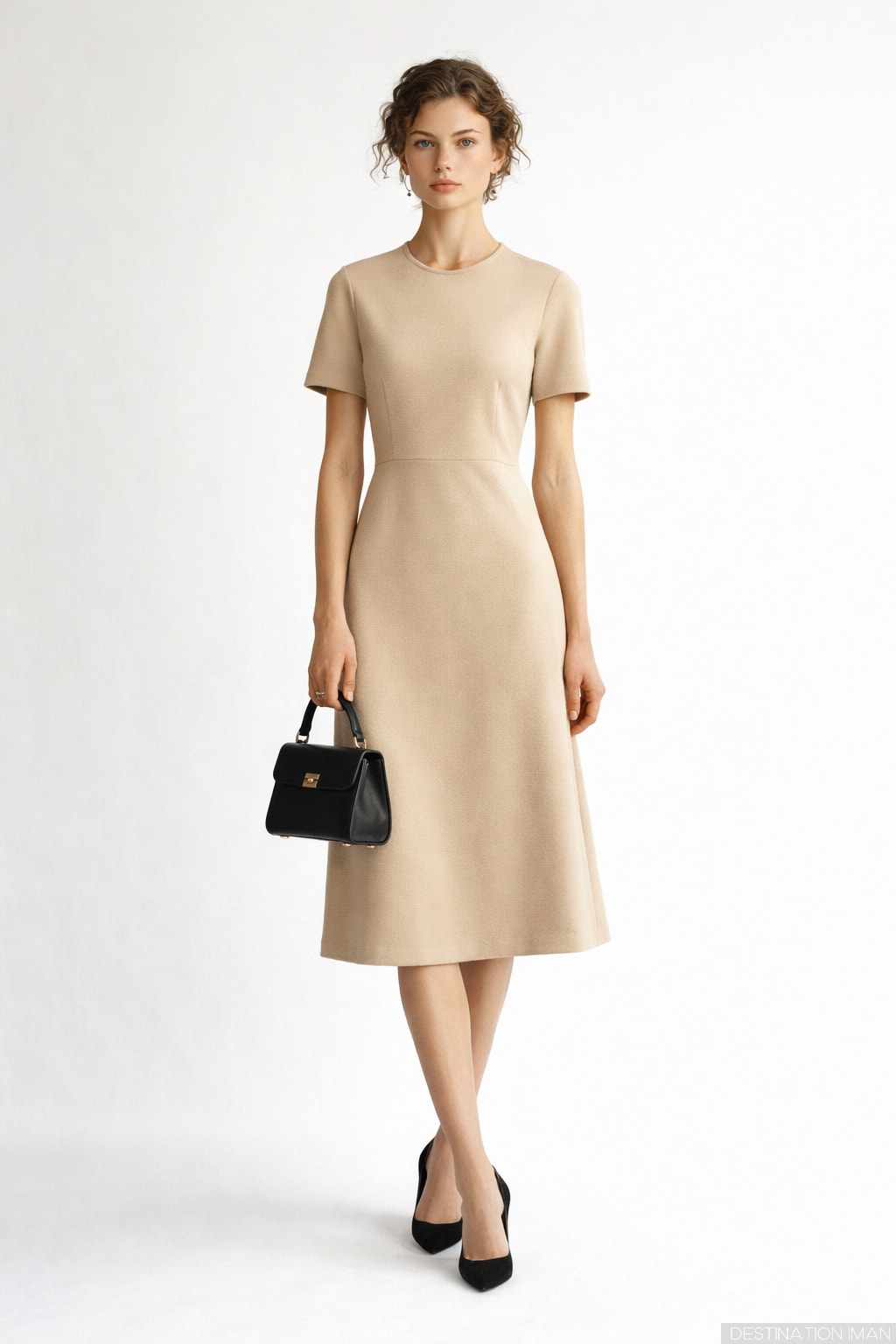
Sometimes the easiest outfit is one piece. A classic dress in quality fabric becomes the entire outfit, requiring only simple shoes and minimal accessories to complete the look.
The Power of One-Piece Dressing
Dresses offer unmatched convenience—no coordinating separate pieces, no proportion concerns, instant complete outfit. When chosen well, a classic dress provides elegance with minimal effort.
The key is selecting dresses with timeless silhouettes rather than trendy styles. These shapes remain flattering year after year:
- Shift dress: Straight-cut, skims the body, works for most body types
- Sheath dress: Fitted but not tight, defines waist, professional yet elegant
- Wrap dress: Universally flattering, adjustable fit, creates waist definition
- A-line dress: Fitted through bust, flares gently from waist, balanced silhouette
- Shirt dress: Button-front, often belted, versatile from casual to polished
Choosing the Right Dress
For maximum versatility and longevity, prioritize:
- Solid colors or subtle patterns: Easier to accessorize and style multiple ways
- Quality fabric with structure: Holds shape throughout wear, doesn't wrinkle excessively
- Appropriate length: Midi lengths (hitting mid-calf) are most universally flattering and appropriate
- Simple necklines: Crew neck, V-neck, or boat neck remain timeless
- Minimal embellishment: Clean design won't date quickly
Completing the Look
Because the dress does all the work, keep everything else simple:
Shoe options:
- Nude or black pumps (for polished looks)
- Simple sandals (for casual summer)
- Ankle boots (for fall/winter)
- White sneakers (for modern casual)
- Pointed-toe flats (for elegant comfort)
Accessory approach:
- Small structured bag or simple clutch
- Minimal jewelry (small earrings, thin necklace, or watch)
- Light scarf or cardigan for layering
- Belt to define waist if dress is loose
When wearing a dress, resist the urge to add too many accessories or competing elements. The simplicity is the elegance—let the dress be the statement.
Seasonal Adaptations
The same dress formula works year-round with simple adjustments:
- Spring/Summer: Bare legs, sandals, lightweight fabric
- Fall: Add tights, ankle boots, denim jacket or blazer
- Winter: Layer turtleneck underneath, add coat, wear with boots
Formula 6: Layered Neutrals
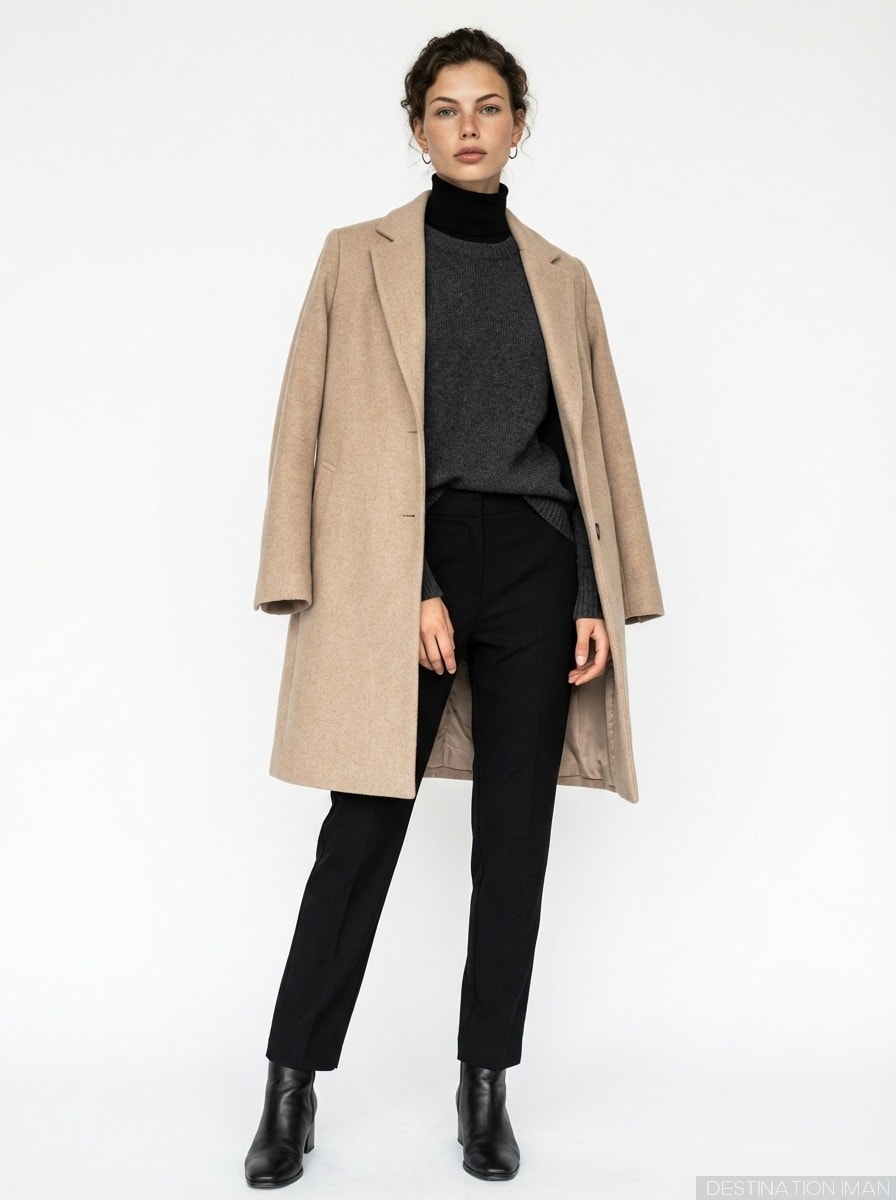
Layering neutral pieces creates sophisticated, dimensional outfits while providing practical temperature control. This formula works particularly well in transitional seasons and creates inherently elegant silhouettes.
The Art of Layering
Successful layering creates depth without bulk. The key principles include:
- Vary lengths: Each layer should be visible beneath the next
- Keep colors cohesive: Stick to neutrals or closely related tones
- Mix textures: Combine different fabrics for visual interest
- Maintain proportion: Balance fitted and relaxed layers
- Consider weight: Layer from light to heavy (light base, medium middle, heavier outer)
Essential Layering Pieces
Base layers:
- Fitted turtlenecks
- Simple tank tops or camisoles
- Thin long-sleeve tees
Middle layers:
- Button-up shirts
- Lightweight sweaters
- Cardigans
- Vests
Outer layers:
- Blazers
- Structured coats
- Chunky cardigans
- Denim or leather jackets
Classic Layered Combinations
The Three-Layer Approach:
White turtleneck + beige button-up + camel blazer + gray trousers
The Cardigan Layer:
Black tank + charcoal cardigan + black trousers
The Coat as Statement:
Simple outfit underneath + structured coat that completes the look
Formula 7: Casual Base + Polished Detail
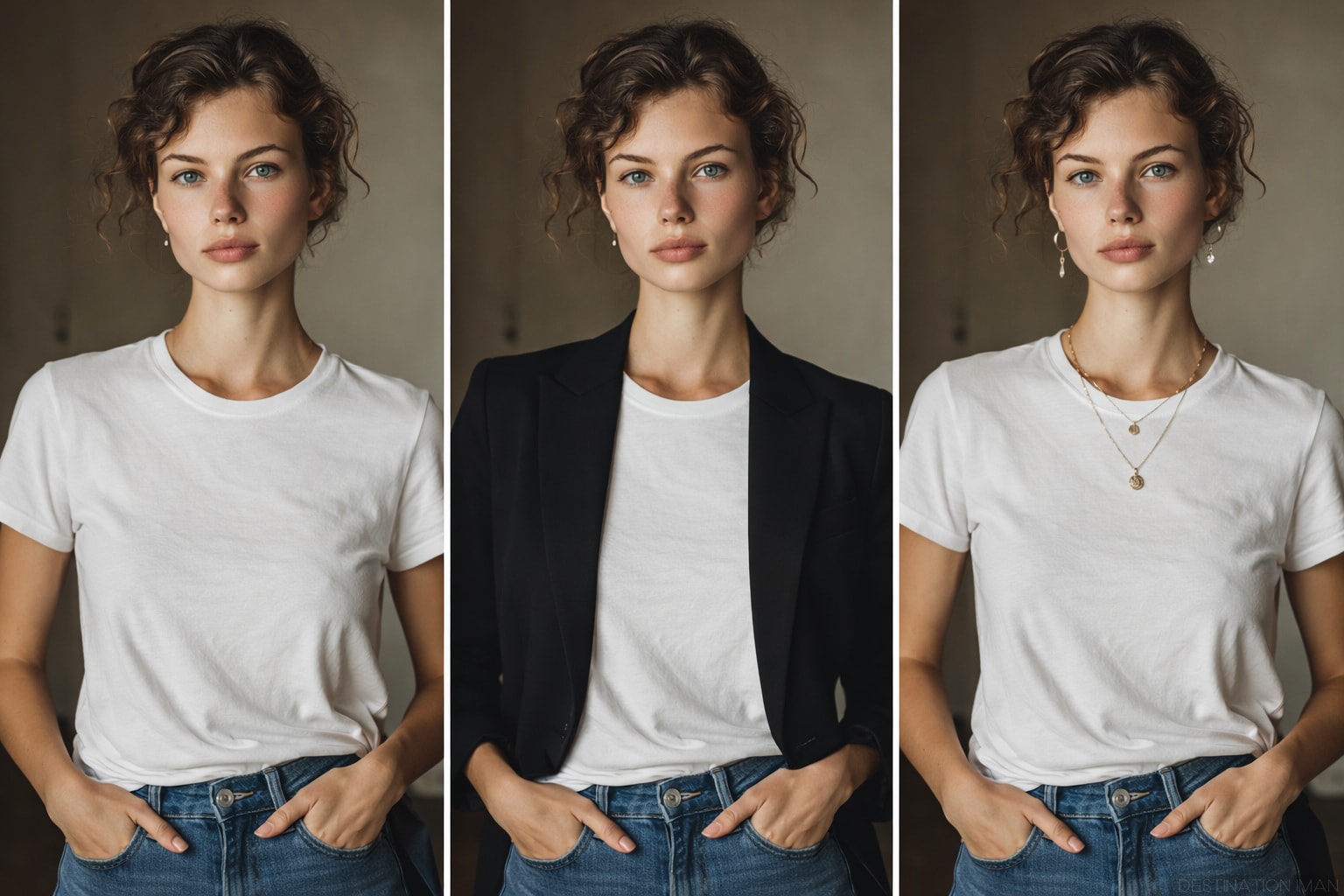
This formula proves that elevated casual style is achievable by starting with comfortable basics and adding one refined element. The result feels effortless yet intentional.
The Elevation Strategy
The difference between looking "dressed down" and "casually elegant" often comes down to a single refined element. By adding one polished piece to an otherwise casual outfit, you signal intentionality and care.
Polished elements that elevate casual outfits:
- Structured handbag: Leather bag instead of canvas tote
- Quality shoes: Leather loafers instead of athletic sneakers
- Tailored layer: Blazer over t-shirt and jeans
- Elegant jewelry: Simple gold pieces instead of no accessories
- Silk scarf: Adds refinement to basic outfit
- Quality belt: Leather belt defines waist on casual pieces
Casual Bases That Work
Start with comfortable, well-fitted basics:
- Quality jeans in dark washes
- Simple t-shirts or tank tops
- Casual button-ups or chambray shirts
- Comfortable sweaters
- Relaxed trousers or chinos
Formula Applications
Jeans + T-shirt + Blazer: The ultimate casual-meets-polished combination
White tee + Black jeans + Leather bag + Gold jewelry: Simple base, refined accessories
Sweater + Jeans + Structured boots + Watch: Comfortable yet considered
Button-up + Chinos + Loafers: Relaxed but intentional
Formula Success Principles
- Every formula balances contrasting elements for harmony
- Simplicity and cohesion create more impact than complexity
- Proper fit matters more than the specific pieces you choose
- One statement element per outfit prevents visual overwhelm
- These formulas adapt to any personal style or aesthetic preference
- Consistency with formulas builds recognizable personal style
How to Adapt Formulas to Your Style
While these formulas provide proven frameworks, they're meant to be adapted to your personal aesthetic, lifestyle, and preferences. Here's how to make them your own:
Consider Your Lifestyle
Choose formulas that align with how you actually spend your time. If you work in a creative field, you might favor Formula 2 (Neutral + Accent) or Formula 7 (Casual + Polished). If you have a corporate job, Formula 1 (Structured Top + Simple Bottom) might be your daily go-to.
Honor Your Color Preferences
While these formulas often use neutrals, you can substitute your preferred colors. The structures work regardless of specific hues—just maintain the principles of cohesion and simplicity.
Adjust for Your Body
These formulas work on all body types because they focus on proportion and balance rather than hiding or revealing specific areas. Choose the variations that make you feel most confident.
Build Your Signature Approach
As you experiment with these formulas, you'll likely gravitate toward 2-3 that feel most natural. Leaning into these favorites creates a recognizable personal style that makes getting dressed even easier.
Conclusion
Classic outfit formulas that always look good are built on timeless principles of balance, proportion, and visual harmony. By understanding these repeatable structures, you eliminate daily wardrobe stress while guaranteeing consistently polished results.
The beauty of formula-based dressing is its flexibility. These frameworks work regardless of your budget, body type, age, or personal aesthetic. They're not rules to follow rigidly but guidelines that help you make choices aligned with principles proven to create elegant, intentional outfits.
Start by identifying which 2-3 formulas resonate most with your lifestyle and preferences. Practice these until they become second nature. As you gain confidence, you'll find yourself naturally adapting and combining elements from different formulas to create your own signature approach.
Remember that the goal isn't to look like everyone else who uses these formulas—it's to have a reliable framework that makes dressing well effortless. The specific pieces you choose, the colors you prefer, and the details you emphasize make these universal formulas uniquely yours.
By relying on proven combinations rather than reinventing your look daily, you free mental energy for more important matters while knowing you always present yourself with intention and polish. That's the true power of classic outfit formulas that always work.