Elegance is often mistaken for luxury, but true elegance has little to do with price tags or designer labels. Some of the most polished and stylish people you'll encounter rely on timeless principles rather than expensive wardrobes. The secret to looking elegant on any budget lies in understanding that style is about intention, not expenditure.
This comprehensive guide explains how to look elegant without expensive clothes by focusing on the elements that truly matter: impeccable fit, strategic simplicity, quality over quantity, and the confidence that comes from knowing your choices are intentional. Whether you're building a wardrobe from scratch or refining what you already own, these principles will transform your approach to personal style.
Key Takeaways
- Perfect fit is more important than brand names or price—tailoring transforms any garment
- Simple, classic silhouettes always look more expensive than trendy, complicated designs
- A limited, cohesive color palette creates visual harmony and perceived quality
- Quality fabrics and proper garment care dramatically elevate appearance
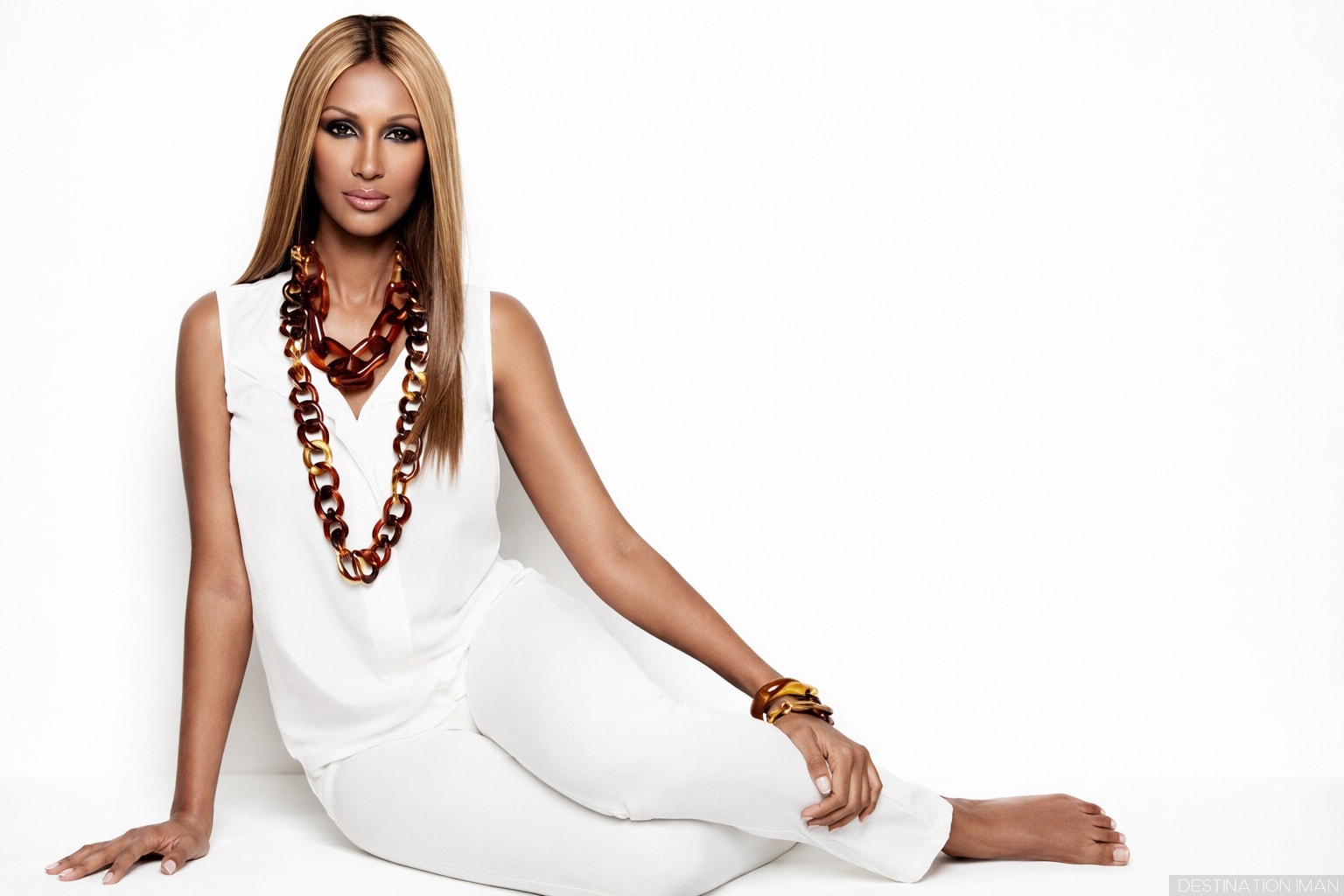
- Minimal, well-chosen accessories enhance elegance better than excessive jewelry
- Grooming and presentation details often matter more than clothing cost
In This Article
What Elegance Really Means
Before discussing how to achieve elegance on a budget, it's essential to understand what elegance actually is. Elegance is fundamentally about harmony and balance. It emerges from thoughtful coordination, where each element of an outfit complements rather than competes with the others.
True elegance creates a cohesive impression that appears effortless. Rather than drawing attention to individual clothing items or accessories, elegant style presents a unified whole that reflects confidence and intentionality. This is why someone wearing a perfectly fitted, simple outfit from a budget retailer can look more elegant than someone in designer pieces that don't work together or don't fit properly.
Fashion icon Coco Chanel famously said, "Elegance is when the inside is as beautiful as the outside." This principle applies to clothing choices: when garments fit well and coordinate harmoniously, they reflect the wearer's attention to detail and self-respect, creating an elegant impression regardless of cost.
The Components of Elegance
Elegant style rests on several key foundations:
- Proportion: Clothing that flatters your body's natural proportions creates visual balance
- Simplicity: Clean lines and minimal embellishment allow quality and fit to shine
- Coordination: Colors, textures, and styles work together harmoniously
- Confidence: Comfort in your clothing choices projects self-assurance
- Attention to detail: Well-maintained garments and grooming complete the look
None of these elements requires expensive clothing. In fact, focusing on these principles often leads to better style choices than simply purchasing luxury brands without understanding why certain pieces work.
Fit Is More Important Than Brand
The single biggest difference between looking polished and looking careless is fit. This cannot be overstated: a perfectly fitted garment from an affordable retailer will always look more elegant than an ill-fitting designer piece. Understanding and prioritizing fit transforms your entire wardrobe.
Why Fit Matters So Much
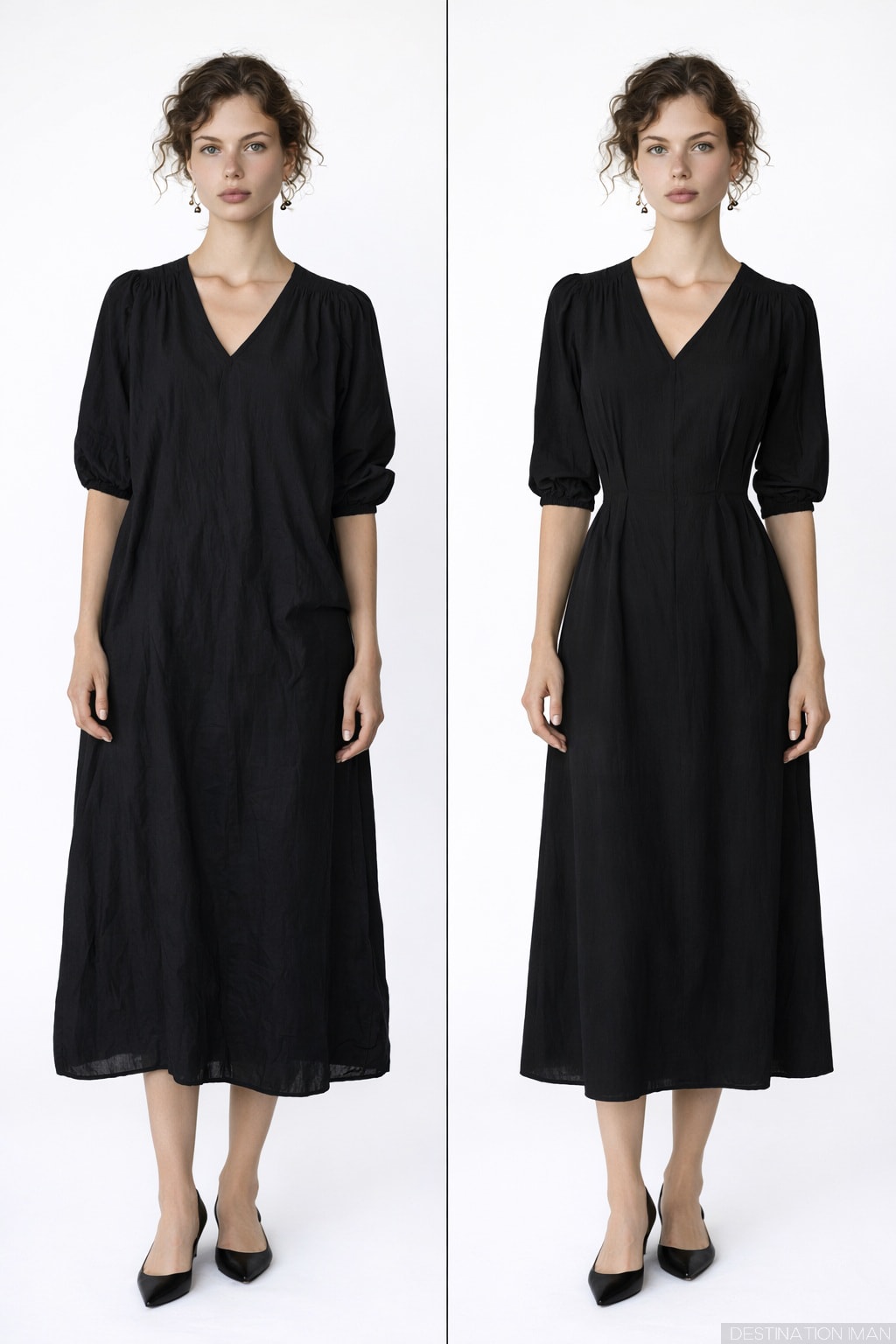
Clothing that fits well creates clean lines that follow your body's natural shape. This visual harmony signals quality and intentionality. When clothing is too large, it adds visual bulk and appears sloppy. When too tight, it creates unflattering tension and looks uncomfortable. Proper fit hits the sweet spot where garments skim the body without clinging or drowning your frame.
Key Fit Points to Master
Shoulders: Perhaps the most important fit point. Shoulder seams should sit at the edge of your shoulder, not drooping down your arm or pulling across your back. This is especially crucial for jackets, blazers, and structured tops.
Length: Hem lengths dramatically affect how polished an outfit looks. Trousers should break slightly at the shoe (or hit at the ankle for a modern look). Skirts should end at flattering points on your leg. Sleeves should typically end at your wrist bone.
Waist: Whether fitted or relaxed, clothing should acknowledge your waist rather than creating a shapeless silhouette. Even loose garments benefit from some definition at the natural waist.
Bust and hips: Garments should have adequate room through these areas without excessive fabric creating bulk. Pulling, gaping, or bunching indicates poor fit.
Professional tailoring is the most cost-effective way to elevate your wardrobe. Simple adjustments like hemming pants, taking in a waist, or shortening sleeves typically cost $10-30 but make clothing look custom-made. Even luxury brands rarely fit perfectly off the rack—wealthy individuals simply have their clothing tailored.
When to Invest in Tailoring
Not every garment needs tailoring, but these adjustments provide the best return on investment:
- Pants and trousers: Hemming for perfect length is essential and inexpensive
- Blazers and jackets: Sleeve length and shoulder fit are worth perfecting
- Dresses: Hem length can transform a dress from awkward to elegant
- Waistbands: Taking in or letting out waists improves comfort and appearance
While tailoring works wonders, some fit issues are difficult or expensive to fix. Avoid purchasing garments with shoulder fit problems or that require extensive restructuring. Start with the best possible fit, then tailor for perfection.
Choose Simple Silhouettes
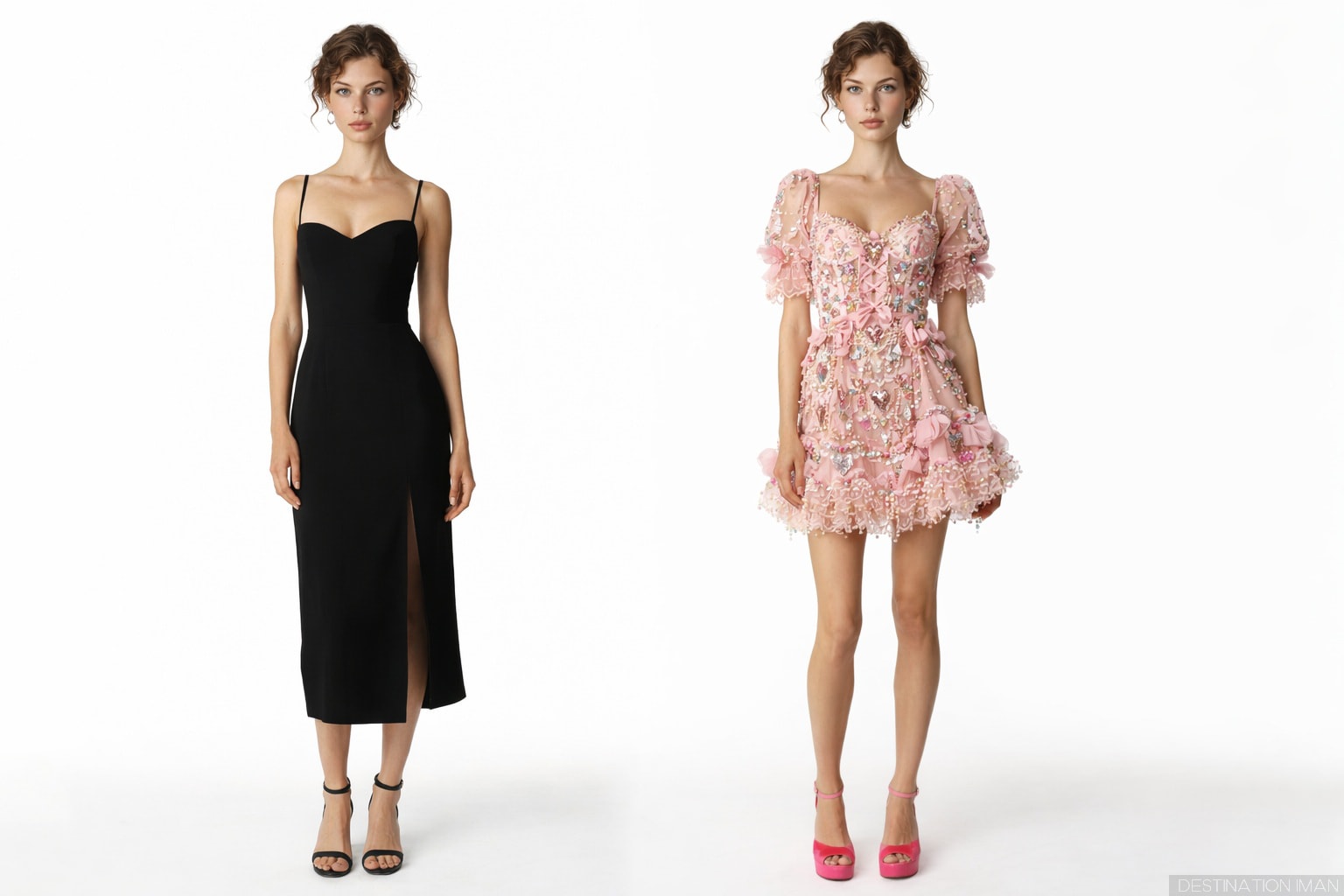
Simplicity is the hallmark of timeless elegance. Complex cuts, excessive embellishments, and trendy details often cheapen an outfit's appearance and quickly look dated. In contrast, clean lines and classic shapes maintain their elegant appearance season after season.
Why Simple Silhouettes Look More Expensive
Simple, well-executed designs require quality construction to look good. When a garment relies on perfect cut and fit rather than decorative distractions, any flaws become apparent. This is why minimalist designs from affordable brands that nail the fit can rival luxury pieces. The simplicity also means these pieces won't scream their era in old photographs—they remain relevant.
Classic Silhouettes That Never Fail
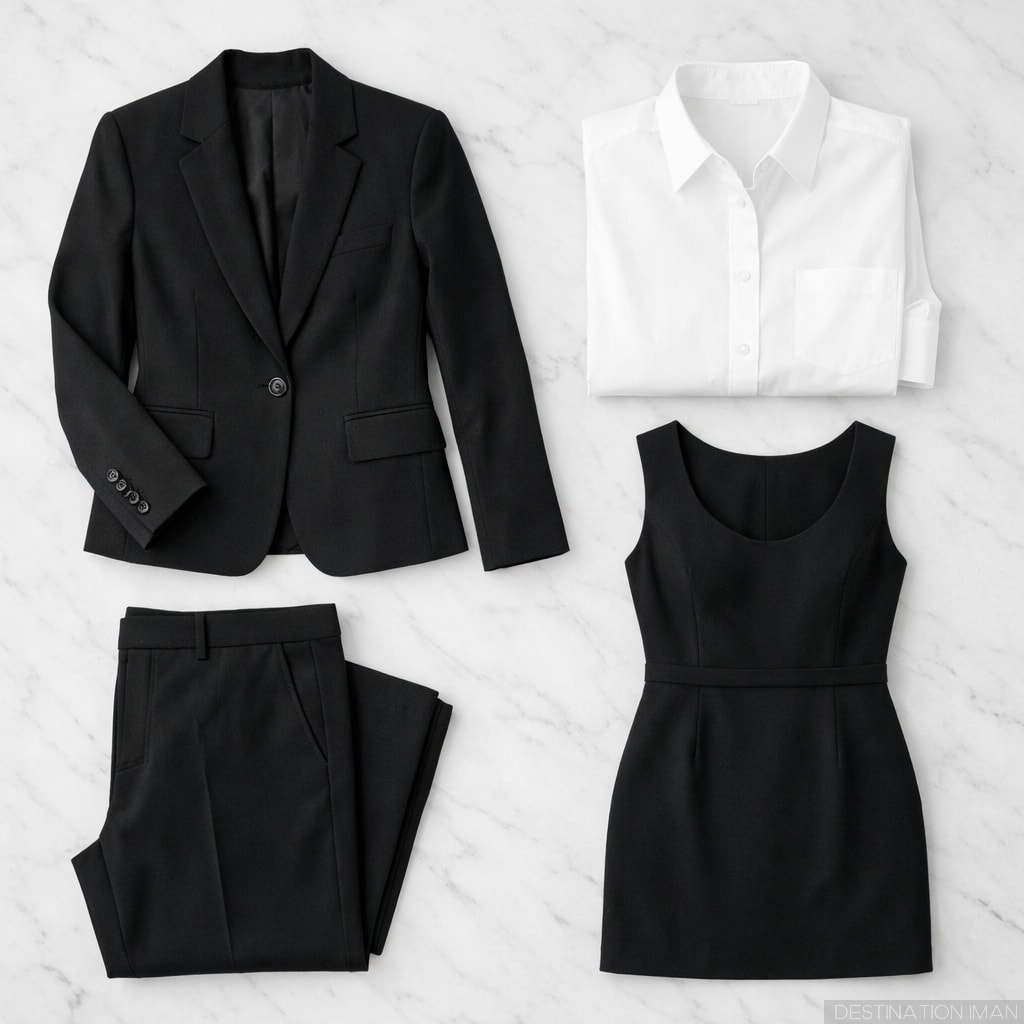
Straight-leg or slightly tapered trousers: These flattering pants styles work for virtually every body type and occasion. Avoid extremes like ultra-wide palazzo pants or skin-tight leggings for elegant styling.
Structured blazers with clean lines: A well-fitted blazer instantly elevates any outfit. Look for minimal lapel detailing, clean shoulders, and a slightly nipped waist. Single-breasted styles are most versatile.
Simple shift or sheath dresses: Dresses with minimal detailing in quality fabrics create effortless elegance. The focus remains on fit and fabric rather than fussy details.
Classic button-up shirts: Crisp, simple shirts in solid colors are endlessly versatile. Avoid excessive pocket details, epaulets, or busy patterns.
A-line or pencil skirts: These timeless skirt shapes flatter many figures and pair easily with various tops.
Silhouette Selection Checklist
- Does this piece have clean, uncluttered lines?
- Will this silhouette still look current in 3-5 years?
- Can I wear this with multiple other items in my wardrobe?
- Does the cut flatter my body proportions?
- Is the design simple enough to showcase quality fabric and fit?
Details to Avoid
Certain design elements tend to look cheap or trendy regardless of actual cost:
- Excessive zippers, buckles, or hardware
- Complicated cutouts or asymmetrical hems
- Too many pockets or decorative tabs
- Obvious branding or logos
- Overly trendy silhouettes that will quickly date
Limit Your Color Palette
Elegance thrives in restraint, and nowhere is this more apparent than in color choices. Building outfits around a limited, cohesive color palette instantly makes your wardrobe look more intentional, expensive, and refined.

The Power of Neutral Foundations
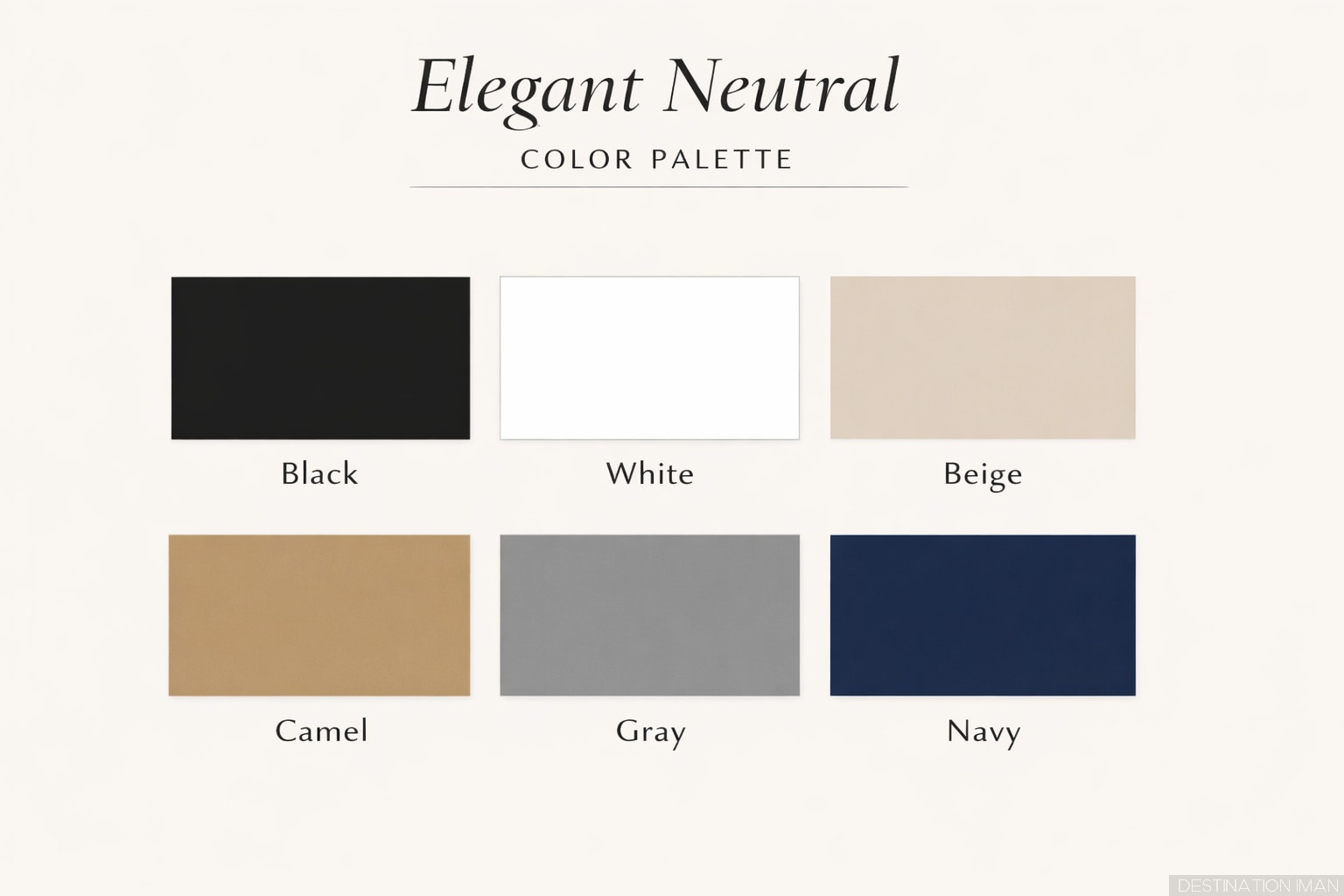
Neutral colors form the backbone of elegant wardrobes for good reason. Black, white, navy, gray, beige, camel, and cream work together seamlessly, creating sophisticated looks with minimal effort. These shades also photograph well, travel easily, and transition across seasons.
Starting with neutral foundations doesn't mean your wardrobe must be boring. Rather, it provides a versatile canvas that allows you to:
- Mix and match pieces effortlessly without clashing
- Focus attention on fit, texture, and silhouette rather than color
- Add strategic pops of color that make maximum impact
- Build a cohesive capsule wardrobe with fewer pieces
Monochromatic and Low-Contrast Combinations
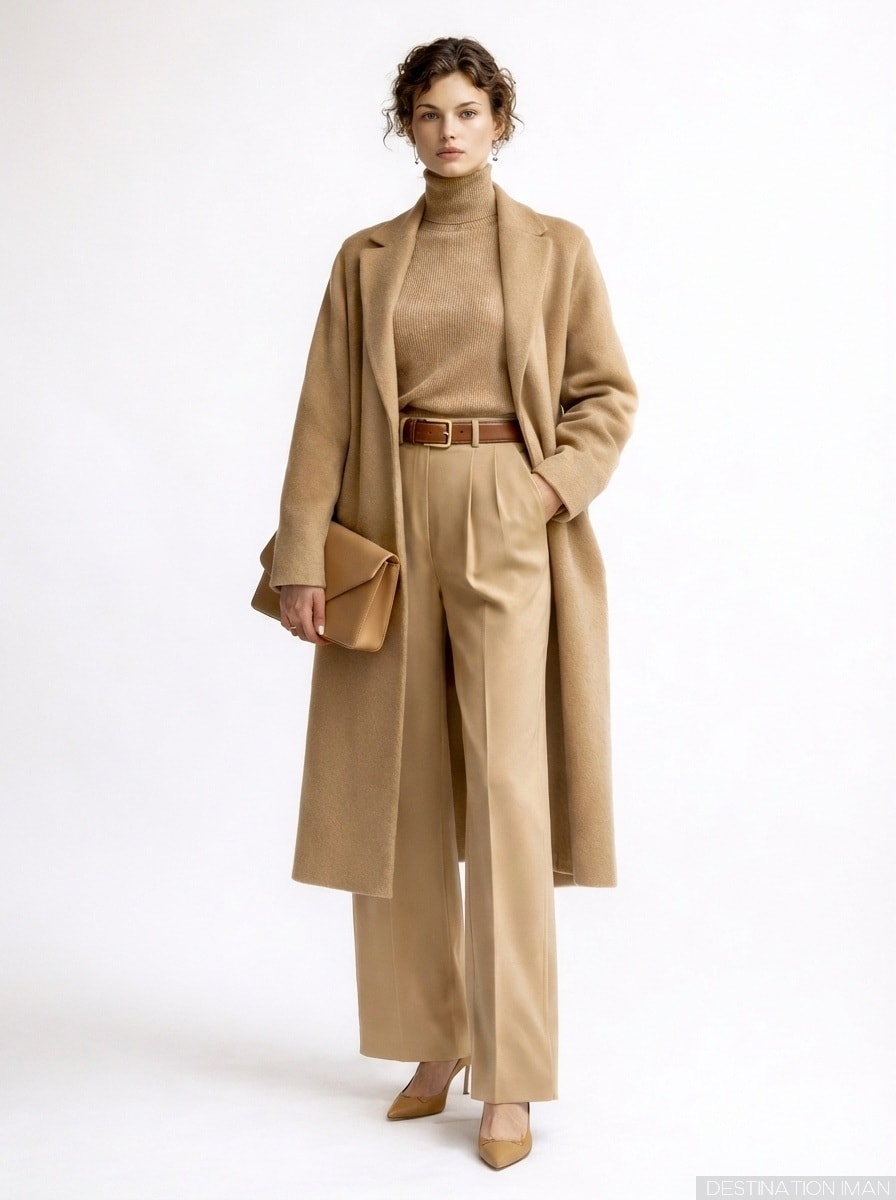
Outfits built around a single color family or low-contrast combinations (like various shades of beige, or navy with black) appear inherently more expensive and polished than busy color mixes. This technique creates a elongated, streamlined silhouette and suggests careful curation.
Fashion stylists consistently note that monochromatic dressing makes individuals appear taller, slimmer, and more put-together. The visual coherence tricks the eye into perceiving higher quality, even when garments are from affordable retailers.
Strategic Color Additions
Once you've established a neutral foundation, add one or two accent colors that complement your skin tone and work across multiple pieces. Choose colors you genuinely love and that appear in multiple garments, allowing for versatile combinations.
For warm undertones: Rust, camel, olive, warm burgundy, coral
For cool undertones: Navy, charcoal, emerald, cool burgundy, lavender
For neutral undertones: Most colors work, particularly dusty or muted versions
Colors and Patterns to Approach Carefully
While personal style varies, certain color and pattern choices tend to look less expensive:
- Overly bright, saturated colors: Unless you have strong personal coloring, these can overwhelm
- Busy prints mixing multiple colors: These rarely look expensive and limit outfit versatility
- Trendy color combinations: What feels current now will quickly date your photos
Pay Attention to Fabric and Texture
Fabric quality dramatically influences how elegant clothing appears, yet this doesn't necessarily mean expensive materials. Understanding which fabrics hold up well and how to care for them allows you to make smart, budget-friendly choices that look luxurious.
Fabrics That Elevate Any Outfit
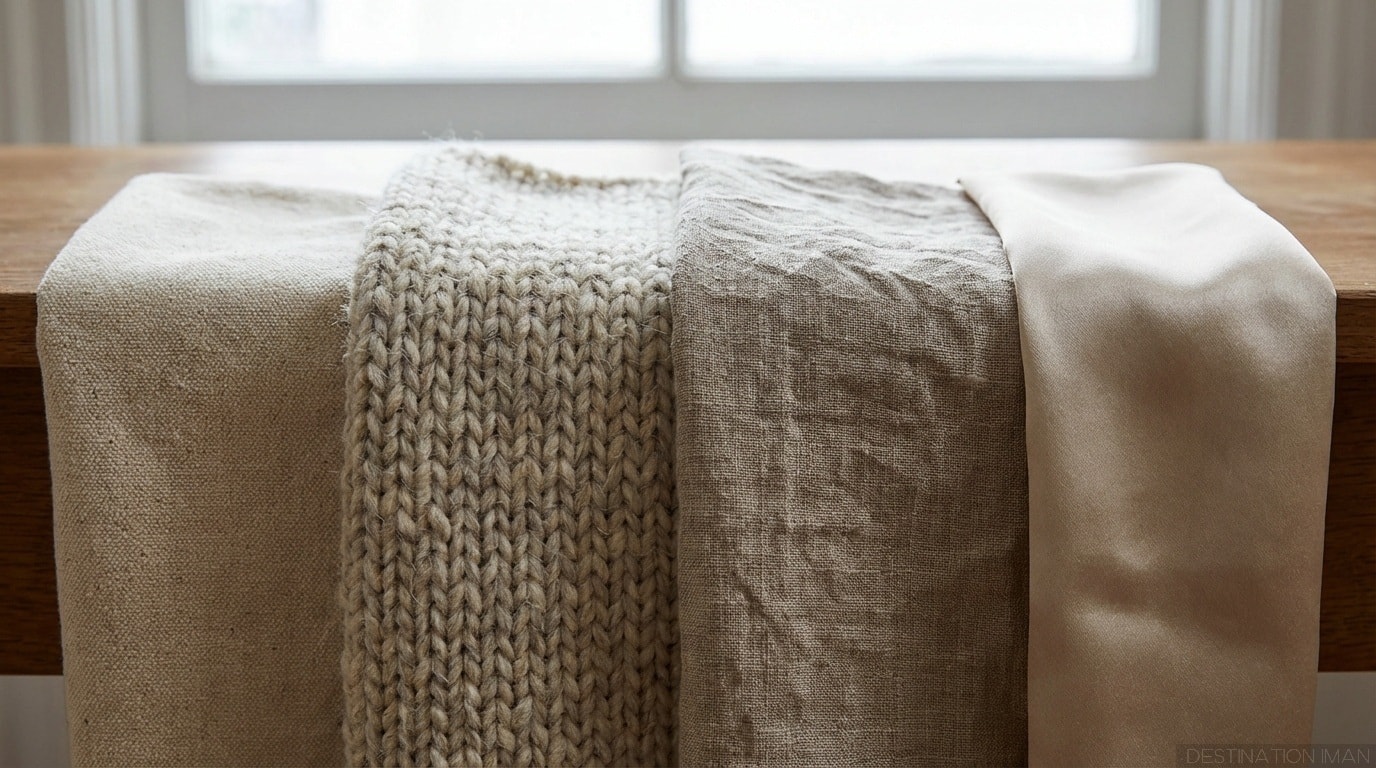
Natural fibers: Cotton, wool, linen, and silk naturally drape better and feel more luxurious than many synthetics. Even affordable versions of these fabrics often look better than expensive polyester.
Structured materials: Fabrics with body and structure—like ponte knit, heavier cotton, or blended wools—hold their shape throughout the day, maintaining a polished appearance.
Matte finishes: Matte or subtly textured fabrics typically look more expensive than overly shiny materials. The exception is silk, which has a natural sheen.
Look for cotton blends (cotton-polyester or cotton-spandex) that combine the best qualities of natural and synthetic fibers. These often cost less than 100% natural fabrics while maintaining better appearance than pure polyester.
Fabrics to Avoid or Minimize
Certain materials consistently read as cheap regardless of actual cost:
- Thin, shiny polyester: This fabric pills easily, shows sweat, and has an obviously synthetic appearance
- Cheap jersey knits: Ultra-thin jersey clings unflattering and quickly loses shape
- Synthetic suede or leather look-alikes: These rarely convince and often look costume-like
- Heavily embellished or printed fabrics: Busy patterns on cheap fabric look especially inexpensive
Texture Creates Visual Interest
When working with a neutral, simple wardrobe, texture prevents monotony without relying on color or embellishment. Mixing different textures within the same outfit—like pairing a smooth cotton shirt with textured knit cardigan and structured wool trousers—adds dimension and sophistication.
Effective texture combinations include:
- Smooth silk or cotton with chunky knits
- Structured denim with soft cashmere or wool
- Leather or faux leather with flowing fabrics
- Matte and subtle sheen (like matte cotton with satin)
Proper Fabric Care Makes the Difference
Even expensive garments look cheap when poorly maintained. Conversely, budget pieces that are impeccably cared for appear far more valuable than their price tag suggests.
Garment Care Essentials
- Invest in a steamer or iron—wrinkled clothes always look sloppy
- Hand wash or use delicate cycles for quality pieces
- Store clothes properly to prevent damage and maintain shape
- Address stains and repairs immediately rather than continuing to wear damaged items
- Use proper hangers to maintain shoulder shape and prevent stretching
- Consider professional cleaning for special pieces
Keep Accessories Minimal
Accessories should complement and enhance your outfit, never compete with or overwhelm it. This principle of restraint is fundamental to elegant styling and costs nothing to implement.
The Art of Accessory Restraint
Over-accessorizing is one of the quickest ways to cheapen an otherwise elegant outfit. When every element competes for attention—multiple statement pieces, busy jewelry, bold bags, and eye-catching shoes all at once—the overall effect becomes cluttered rather than refined.
Instead, elegant accessorizing follows the principle of "one statement, the rest support." Choose a single focal point—perhaps striking earrings, a structured bag, or interesting shoes—and keep everything else simple and understated.
Quality Over Quantity in Accessories
A few well-chosen accessories serve you better than a large collection of trendy pieces. Focus on building a core collection of versatile, classic accessories that work across multiple outfits:
Essential accessory investments:
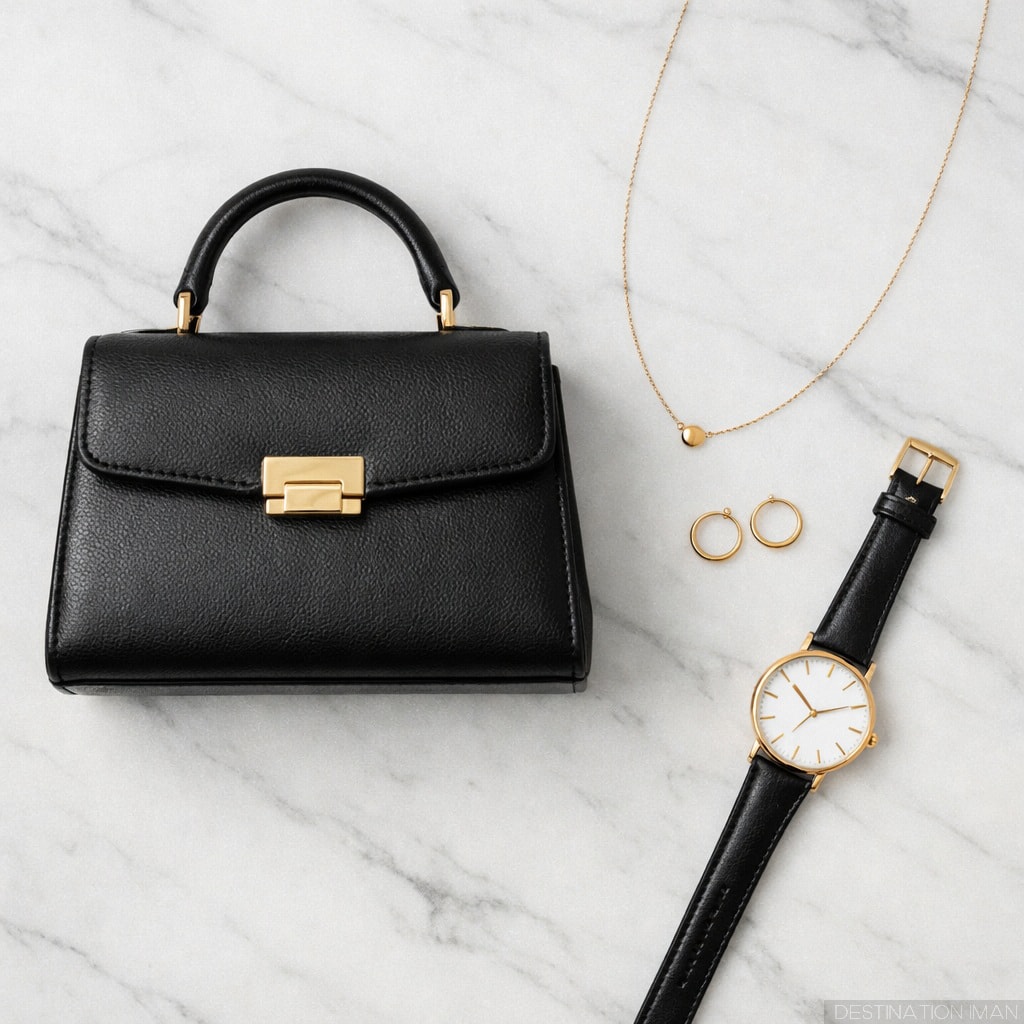
- One quality structured handbag in a neutral color
- Simple stud or small hoop earrings
- A delicate chain necklace
- One classic watch or bracelet
- A quality leather belt in black or brown
- Classic sunglasses with timeless frames
Because accessories are used across many outfits, they offer better cost-per-wear than clothing. Saving for one quality handbag used daily for years proves more economical than multiple cheap bags that wear out quickly. The same applies to watches, sunglasses, and classic jewelry.
Metals and Materials
Stick to one metal color (gold-tone or silver-tone) per outfit for the most cohesive look. Mixing metals can work but requires more styling expertise. For elegant simplicity, choose one and remain consistent across jewelry, watch, belt buckle, and bag hardware.
For those on a budget, quality costume jewelry in simple designs often looks indistinguishable from expensive pieces. Avoid obviously fake stones or overly large "statement" pieces that scream costume jewelry.
When Less Is Actually More
Some of the most elegant looks feature minimal or no accessories. A perfectly fitted, simple dress in quality fabric needs nothing else. A well-tailored monochromatic outfit speaks for itself. Don't feel obligated to add accessories simply because you think you should—sometimes the most powerful statement is restraint.
Grooming and Presentation Matter
Elegance extends far beyond clothing choices. Personal grooming and presentation details often make a bigger impact than the actual garments you wear. Immaculate grooming can make affordable clothing look expensive, while poor grooming cheapens even designer pieces.
The Non-Negotiable Grooming Basics
Hair care: Clean, well-maintained hair is essential. This doesn't require expensive salon visits—simply keeping hair clean, trimmed regularly, and styled intentionally makes a dramatic difference. Even simple hairstyles look elegant when hair is healthy and well-kept.
Skin care: Healthy, well-moisturized skin provides the foundation for any look. A basic skincare routine (cleanse, moisturize, SPF) costs little but creates a polished, put-together appearance.
Nails: Clean, neatly trimmed nails are a must. Polish is optional, but nails should never look neglected or dirty. This simple detail signals attention to overall presentation.
Scent: A subtle, pleasant scent enhances elegance, but remember that less is more. Overpowering fragrance detracts from polish.
Clothing Maintenance Details
These small but crucial details dramatically affect how elegant you appear:
- Pressed clothing: Wrinkled garments always look sloppy regardless of cost. Invest in a steamer or iron and use it regularly.
- Clean shoes: Scuffed, dirty shoes undermine any outfit. Regular cleaning and occasional polishing maintain elegance.
- No visible wear: Pilling, loose threads, missing buttons, or worn hems make clothing look cheap. Address these issues promptly or retire the garment.
- Proper undergarments: The right undergarments create smooth lines and proper fit. Visible panty lines, bra straps, or ill-fitting undergarments cheapen any outfit.
Even with perfect clothing choices, these grooming oversights sabotage elegant presentation: visible roots, chipped nail polish, scuffed shoes, wrinkled clothes, strong body odor, excessive perfume, or visible lint and pet hair on clothing.
The Posture Factor
How you carry yourself affects how elegant you appear just as much as what you wear. Good posture makes any outfit look better by creating clean lines and projecting confidence. Slouching, conversely, makes even expensive clothing look sloppy.
Stand tall with shoulders back, head up, and core engaged. This costs nothing but instantly elevates your presence and how your clothing hangs on your body.
Build Reliable Outfit Formulas
Creating elegant outfits becomes effortless when you develop reliable formulas—repeatable structures that work across different pieces and occasions. These formulas eliminate daily decision fatigue while ensuring consistently polished results.
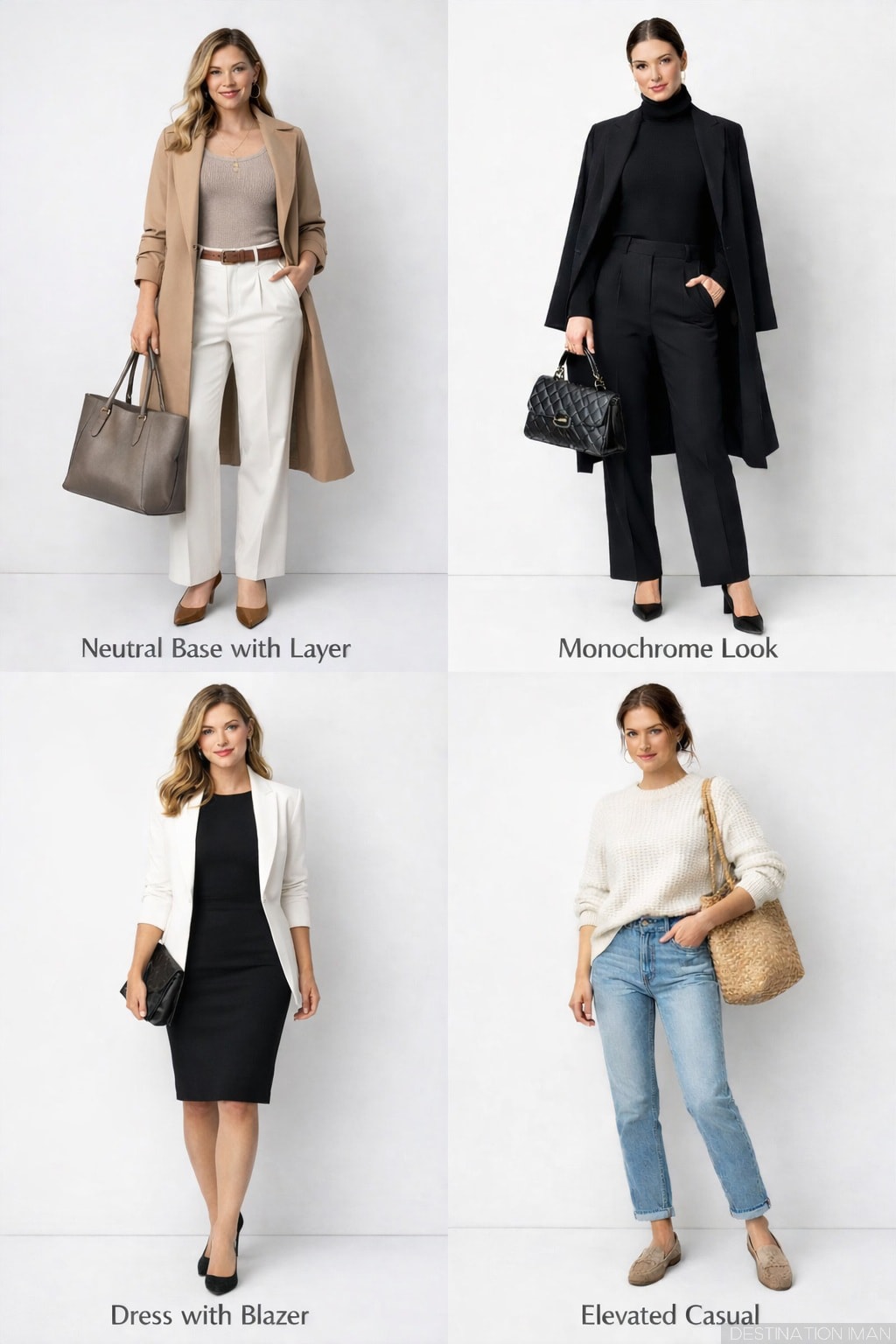
Formula 1: Neutral Base + Neutral Layer + Simple Accessories
This foolproof combination never fails:
- Neutral trousers or skirt (black, navy, beige, gray)
- Simple top in coordinating neutral
- Structured blazer, cardigan, or jacket
- One quality accessory (bag, shoes, or minimal jewelry)
Example: Black straight-leg trousers + white button-up + beige blazer + black leather bag
Formula 2: Monochrome Everything
Head-to-toe in the same color family creates instant sophistication:
- Choose one color (camel, gray, navy, black, white)
- Use different shades and textures of that color throughout the outfit
- Add minimal accessories in the same color family
Example: Cream knit sweater + camel wide-leg trousers + tan leather loafers + beige tote bag
Formula 3: Classic Dress + Tailored Layer
Simple dresses become instantly more polished with structure:
- Minimal dress in solid color or subtle pattern
- Fitted blazer or structured cardigan
- Classic shoes
- Small bag or minimal jewelry
Example: Navy shift dress + gray blazer + nude pumps + simple gold studs
Formula 4: Elevated Casual
Making casual pieces look intentional rather than sloppy:
- Quality jeans in dark wash
- Crisp button-up or fitted knit top
- Structured layer (blazer, jacket, or cardigan)
- Polished shoes (loafers, ankle boots, clean sneakers)
Example: Dark jeans + white button-up (partially tucked) + camel blazer + black loafers
Formula Success Principles
- Keep color combinations simple and cohesive
- Balance fitted and relaxed elements
- Add structure through layering
- Choose quality over quantity in accessories
- Ensure everything is clean, pressed, and well-maintained
Avoid Common Mistakes
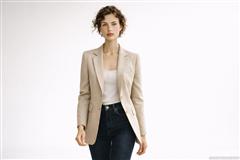
Understanding what not to do is just as important as knowing what works. These common mistakes undermine elegant presentation regardless of how much you spend on clothing.
Mistake #1: Over-Accessorizing
Wearing too many accessories—statement necklace + bold earrings + multiple bracelets + large bag + eye-catching shoes—creates visual chaos. Choose one focal point and keep everything else simple.
Mistake #2: Chasing Trends Too Closely
Overly trendy pieces quickly look dated and often don't suit your personal style or body type. While incorporating some current elements keeps looks fresh, a wardrobe built primarily on trends lacks the timelessness that defines elegance.
Mistake #3: Ignoring Fit and Proportions
Buying clothes because they're a good deal, even when they don't fit properly, wastes money and undermines your style. Ill-fitting clothing always looks cheap regardless of actual cost. Pass on "deals" that don't fit well.
Mistake #4: Mixing Too Many Patterns or Colors
Busy pattern mixing or clashing colors look chaotic rather than elegant. Stick to one subtle pattern maximum per outfit, or build looks around solid colors for the most refined appearance.
Mistake #5: Neglecting Garment Care
Wearing wrinkled, stained, or damaged clothing negates any style effort. If something needs cleaning, pressing, or repair, address it before wearing it again.
Mistake #6: Visible Logos and Branding
Obvious branding rarely looks elegant. The most refined clothing allows quality and fit to speak for themselves rather than advertising the brand. Choose pieces without prominent logos.
Mistake #7: Uncomfortable Clothing
If you're constantly adjusting, tugging, or uncomfortable, it shows. Elegance includes ease and confidence, which requires comfortable clothing that fits properly and allows natural movement.
Shop Smart, Not Expensive
Looking elegant on a budget requires strategic shopping that prioritizes value over volume. These principles help you build a refined wardrobe without overspending.
Quality Indicators to Look For
Even in budget-friendly stores, some pieces offer better quality than others. Look for:
- Finished seams (serged or bound rather than raw edges)
- Lined garments (particularly skirts and trousers)
- Quality buttons that are securely attached
- Even, straight stitching without loose threads
- Patterns that match at seams
- Substantial fabric weight (avoid see-through materials)
- Natural fiber content, even if blended with synthetics
Where to Shop for Budget Elegance
Discount retailers with good basics: Stores like H&M, Zara, Uniqlo, and COS offer simple, well-designed pieces at accessible prices. Focus on their classic basics rather than trendy items.
Secondhand and consignment: Thrift stores, consignment shops, and online resale platforms like Poshmark or ThredUp offer quality pieces at fraction of original prices. Designer and high-quality brands become accessible secondhand.
Off-season sales: Purchasing classic pieces at end-of-season sales means significant savings without sacrificing quality. A classic wool coat bought in spring serves you well when winter returns.
Outlet stores: Genuine outlet stores (not outlet-specific lines) offer overstock and previous season items from quality brands at reduced prices.
Smart Shopping Checklist
- Does this piece fill a genuine gap in my wardrobe?
- Can I wear this with at least three other items I already own?
- Is the quality good enough to last multiple seasons?
- Does it fit well, or can minor tailoring fix any issues?
- Is this a classic piece I'll wear repeatedly, or a trend I'll tire of quickly?
- Can I care for this properly given its fabric and construction?
Investment Priorities
When you do have budget to invest in quality, these pieces offer the best return:
- Outerwear: A quality coat is worn frequently and dramatically affects your overall appearance
- Shoes: Well-made shoes last longer and look better, justifying higher cost
- Bags: A quality handbag used daily for years offers excellent cost-per-wear
- Tailoring: Professional alterations transform affordable pieces into custom-looking garments
Conclusion
Looking elegant without expensive clothes is entirely achievable when you understand that true elegance comes from intention, not expenditure. By prioritizing perfect fit, embracing simplicity, coordinating thoughtful color palettes, choosing quality fabrics, minimizing accessories, maintaining impeccable grooming, and building reliable outfit formulas, you create a refined appearance that transcends price tags and trends.
The most important shift is moving away from the idea that elegance requires luxury brands or large clothing budgets. Instead, elegance emerges from thoughtful choices, attention to detail, and confidence in simplicity. These principles cost nothing to implement yet transform how you present yourself.
Start by evaluating your current wardrobe through this new lens. Identify pieces that fit beautifully, coordinate well, and make you feel confident. Build around these foundations rather than constantly acquiring new items. Invest in tailoring for pieces with potential. Focus on impeccable maintenance and grooming. Most importantly, trust that intentional simplicity creates more impact than expensive complexity.
Elegance is not about what you can afford—it's about how thoughtfully you curate and present what you choose to wear. This democratizes style, making refined presentation accessible to everyone willing to prioritize the principles that truly matter.